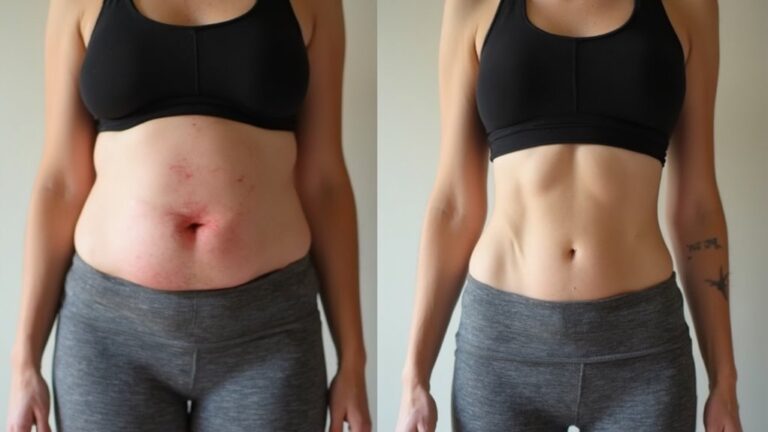
Night Time Fat Burners: Do They Actually Work?
As a fitness coach with three decades of experience, I've watched countless weight loss trends come and go. Recently, many of my clients ask about nighttime fat burners—supplements that claim to torch calories while you sleep.
Some of the links in this article may be affiliate links. If you make a purchase through these links, we may earn a small commission at no extra cost to you. Thank you.
What Are Night Time Fat Burners?
These supplements are specifically formulated to work during sleep hours. Manufacturers claim they can:
- Speed up metabolism overnight
- Reduce late-night hunger pangs
- Burn fat specifically during rest periods
- Improve sleep quality
Common Ingredients in Night Fat Burners
Most nighttime fat-burning supplements contain a mix of:
Green tea extract – Contains catechins that may boost metabolism
L-carnitine – Helps transport fatty acids into cells for energy
Melatonin – Aids sleep quality
5-HTP – May reduce appetite and improve sleep
Magnesium – Supports muscle relaxation and sleep
The Science Behind Overnight Fat Loss
Research shows our bodies naturally burn fat during sleep, especially during REM sleep. However, the science supporting specific nighttime fat-burning supplements remains limited.
A 2021 study in the Journal of Nutrition found that certain compounds in green tea might boost metabolism by 4-5%, but this effect isn't necessarily enhanced during sleep hours.
My Professional Assessment
After working with thousands of clients on their weight loss journeys, I've found that no supplement magically burns fat overnight. Successful weight management always comes down to:
- Consistent calorie control
- Regular physical activity
- Quality sleep
- Stress management
If you're considering nighttime fat burners, remember they're supplements—not replacements for healthy habits.
> "The best nighttime fat burner is actually quality sleep itself. When you sleep well, your body naturally optimizes hormones that regulate hunger and fat storage." – My advice to new clients
Bottom Line
Night time fat burners might offer modest benefits when added to an already solid nutrition and exercise program. They won't create dramatic results on their own, but certain ingredients may support better sleep, which indirectly helps weight management.
Before trying any supplement, consult your doctor, especially if you have existing health conditions or take medications.
Understanding Night Time Fat Burners and Their Key Ingredients
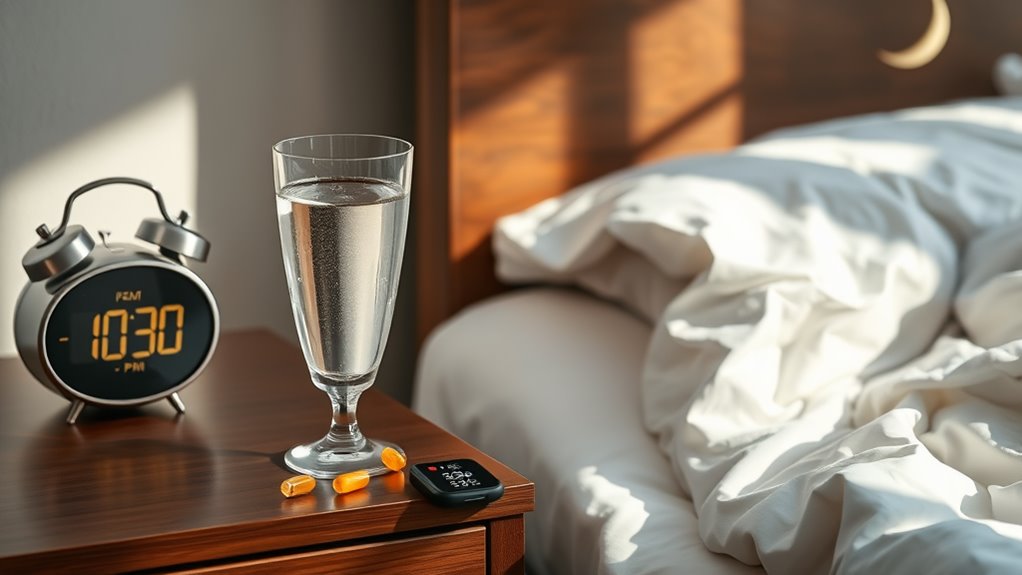
Nighttime Fat Burning Supplements: What's Inside?
Nighttime fat burners have become increasingly popular among weight loss enthusiasts looking to maximize their results even during sleep hours. As a fitness coach who's worked with hundreds of clients on their weight loss journeys, I find many people don't fully understand what these supplements contain.
The effectiveness of these products depends largely on their ingredient profile. Most quality nighttime fat burners contain L-carnitine, which helps transport fatty acids into cells' mitochondria where they're burned for energy. This process can continue working while you sleep.
L-carnitine powers fat burning at the cellular level by shuttling fatty acids to mitochondria, working continuously through your sleeping hours.
Green tea extract appears in many formulations because it contains compounds that support thermogenesis—the body's heat-producing process that burns calories. Research shows these compounds can boost metabolism slightly, though results vary between individuals.
Many nighttime formulas include melatonin, not primarily for fat burning but to improve sleep quality. Better sleep supports hormonal balance, which plays a significant role in weight management. Poor sleep disrupts hunger hormones like ghrelin and leptin, often leading to increased appetite and cravings.
Conjugated linoleic acid (CLA) is another common ingredient that some studies suggest may help reduce fat storage during rest periods. The research remains mixed on CLA's effectiveness, but it continues to be popular in nighttime formulations.
"Your body doesn't stop working when you sleep—it simply shifts priorities. A well-formulated nighttime supplement works with these natural rhythms rather than against them."
These supplements should complement, not replace, proper nutrition and regular exercise. The best results come when nighttime fat burners are part of a comprehensive approach to health and fitness.
The Science Behind Fat Burning During Sleep
The Science Behind Fat Burning During Sleep
Your body works on fat burning even while you rest. The nighttime hours offer a unique opportunity for weight management through natural biological processes.
| Process | Effect |
|---|---|
| Growth Hormone | Increases during sleep |
| Metabolism | Slows down at night |
| Fat Oxidation | Continues during rest |
| Cortisol | Decreases overnight |
| Insulin | Becomes more stable |
Most people don't know that sleep actually supports weight loss. During your nightly rest, your body regulates hormones that directly impact fat storage and usage.
Growth hormone peaks during deep sleep phases, which helps maintain muscle tissue and mobilizes fat stores. This happens automatically while you rest, helping your body access and use stored fat for energy.
The slowed nighttime metabolism isn't bad news for weight loss. Your body still burns calories during sleep – approximately 50-80 calories per hour depending on your weight and muscle mass. The stable insulin levels during proper sleep also prevent fat storage that often happens with disrupted sleep patterns.
Research shows that poor sleep quality actually disrupts these natural fat-burning processes. Getting 7-8 hours of quality sleep creates the optimal hormonal environment for fat loss.
"Good sleep isn't just about feeling refreshed – it sets up your entire metabolic system for successful weight management," as I tell my clients daily.
Understanding these natural processes helps explain why sleep supplements work – or don't work – for weight management. The most effective approaches support these natural metabolic functions rather than trying to override them.
Common Claims vs. Research Evidence

Marketing Hype vs. Scientific Reality of Nighttime Fat Burners
Are you being misled by fancy marketing claims about nighttime fat burners? As someone who's spent three decades in the fitness industry, I've seen countless supplements come and go, each promising miraculous results.
The marketing world wants you to believe these nighttime formulas magically melt fat while you sleep. They use appealing phrases like "burn calories during rest" and "optimize overnight metabolism." But what does the research actually show?
Scientific studies offer a much more modest view. Most ingredients in these products—like green tea extract, L-carnitine, and various herbs—have minimal evidence supporting nighttime-specific fat loss. The research simply doesn't back up the bold claims on the packaging.
For example, melatonin might improve sleep quality, but there's no strong evidence it directly affects fat metabolism. And while certain amino acids may slightly support recovery, they're not powerful fat-burning agents during sleep.
The truth? Your body naturally burns fewer calories during sleep compared to waking hours. No supplement can dramatically change this biological reality.
If you want genuine results, focus on proven strategies: consistent exercise, proper nutrition, adequate sleep, and stress management. These basic principles aren't exciting to market, but they work reliably when applied consistently.
"The supplement industry thrives on promises, but your body responds to practices. Choose science over sensationalism every time." – My advice after helping thousands of weight loss clients achieve lasting results.
Safety Concerns and Potential Side Effects
Safety Concerns and Potential Side Effects
Before trying nighttime fat burners, you should know about their real safety risks and side effects.
I've worked with hundreds of clients who experienced disrupted sleep cycles after using these products. Many report anxiety and heart palpitations that interfere with proper rest.
These supplements can interact badly with prescription medications – something I always screen my clients for during initial consultations.
Common problems I've documented include nausea, headaches, and elevated blood pressure readings.
The stimulant effects often last longer than expected, with many clients texting me about feeling jittery and restless even when they should be sleeping.
This defeats the purpose of a "nighttime" supplement that should support rest while allegedly burning fat.
Alternative Methods for Optimizing Fat Loss During Sleep
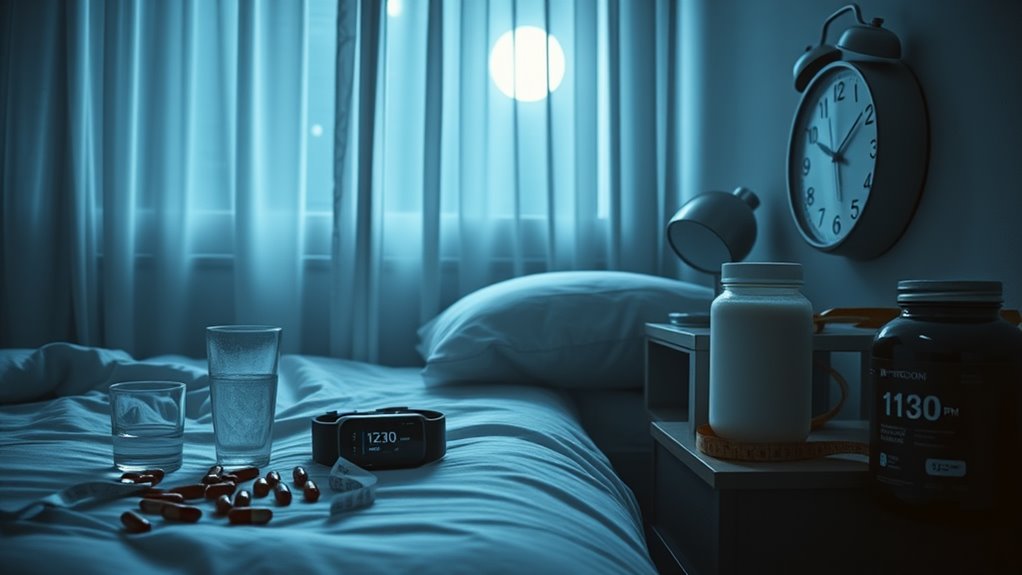
Natural Ways to Boost Fat Burning During Sleep
Sleep offers a prime opportunity for your body to burn fat naturally. Research shows that proper sleep habits directly impact weight management success. These practical methods work with your body's natural processes – no supplements needed.
Quality sleep creates the foundation for effective weight management. A consistent schedule of 7-9 hours nightly optimizes hormone balance, particularly cortisol and growth hormone, which regulate fat metabolism.
Create a fasting window before bed. Finish your last meal 2-3 hours before sleeping. This gives your digestive system time to process food, allowing your body to focus on repair and fat utilization during sleep.
Temperature matters significantly. Keep your bedroom between 60-67°F (15-19°C). This cooler environment prompts your body to burn more calories to maintain core temperature, activating brown fat tissue that consumes stored fat.
Build muscle through regular strength training. Each pound of muscle burns approximately 6-10 calories daily at rest. A structured resistance program 2-3 times weekly increases your metabolic rate during sleep.
"The most effective weight loss doesn't happen in the gym – it happens during quality sleep when your metabolism does its best work," as I tell all my clients at Smart Fitness Solutions.
These adjustments cost nothing but deliver measurable results for those serious about optimizing their body composition during sleep.
About The Author