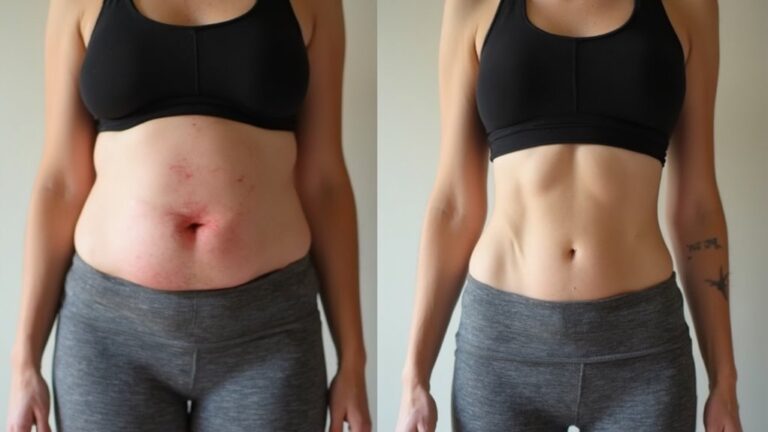
Understanding True Fat Loss vs. Water Weight
Many people don’t realize that initial weight loss often comes from depleting glycogen stores, which releases water rather than burning actual fat tissue. After 30 years of coaching clients through their weight loss journeys, I’ve observed that understanding this difference creates more effective strategies for losing body fat instead of just seeing temporary fluctuations on the scale.
Some of the links in this article may be affiliate links. If you make a purchase through these links, we may earn a small commission at no extra cost to you. Thank you.
The Science Behind Water Weight
Your body stores carbohydrates as glycogen in your muscles and liver, with each gram of glycogen holding about 3-4 grams of water. When you first reduce calories or carbohydrates, your body taps into these glycogen reserves, releasing significant water weight—often 2-5 pounds in the first week. This explains why initial weight loss happens quickly but then slows down.
Effective Strategies for Burning Fat
To target actual fat stores rather than just losing water, focus on these evidence-based approaches:
Create a sustainable calorie deficit****: Aim for 500 calories below maintenance level—enough to promote fat loss without triggering excessive hunger or metabolic slowdown.
Prioritize protein intake**: Consuming 0.8-1 gram of protein per pound of body weight helps preserve muscle mass** during fat loss. My clients who maintain adequate protein typically lose more fat and less muscle.
Incorporate strength training**: Resistance exercise** signals your body to preserve muscle while preferentially burning fat for energy. Even 2-3 sessions weekly makes a significant difference.
Stay properly hydrated**: Drinking enough water (about half your body weight in ounces daily) supports optimal metabolic function** and helps distinguish between true weight changes and water fluctuations.
Track measurements beyond the scale: Waist circumference, body fat percentage, and how clothes fit provide better indicators of fat loss than weight alone.
“Fat loss is a metabolic process, not simply a number on the scale. Your body composition matters more than your total weight.” — This principle guides my approach with every client.
With consistent application of these strategies, you’ll move beyond temporary water weight fluctuations and achieve meaningful changes in body composition that actually improve your health and appearance.
Understanding Water Weight vs. Fat Loss
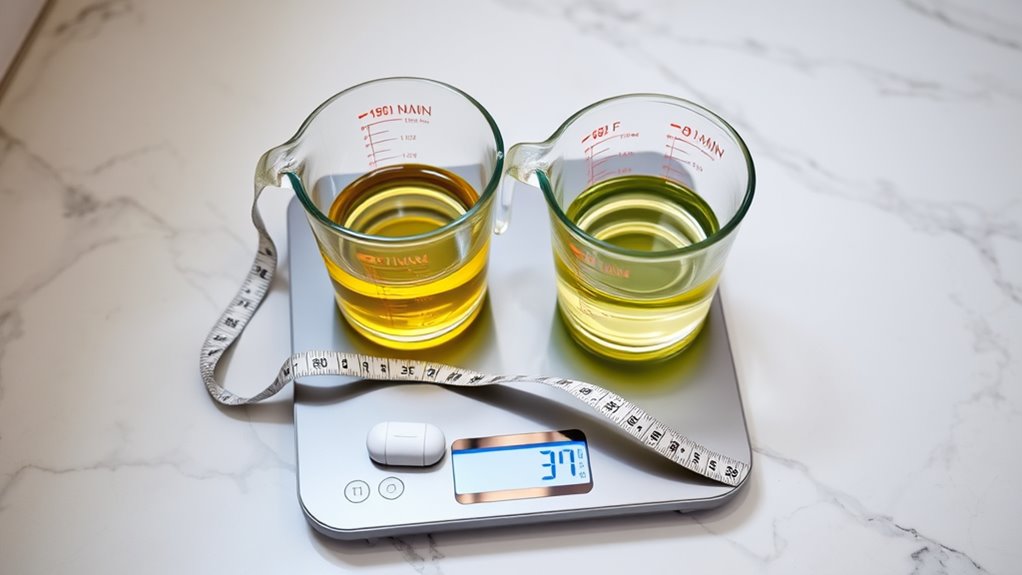
When you’re trying to shed pounds, understanding the difference between temporary water weight and actual fat reduction makes a huge difference in your journey.
Water weight changes quickly – sometimes by several pounds in a single day – based on what you eat, drink, and your activity level. Salt-heavy meals, high carb intake, or dehydration can all cause your body to retain more water temporarily.
True fat loss happens more gradually when you maintain a calorie deficit over time. Your body then has no choice but to tap into stored fat reserves for energy. This process is slower but leads to lasting changes in body composition.
In my 30 years coaching clients, I’ve seen many people get discouraged when the scale jumps up after a salty restaurant meal or during certain phases of hormonal cycles. Remember that these fluctuations don’t reflect your hard work or actual progress in burning fat.
“The scale only tells part of your health story. Your energy levels, how your clothes fit, and measurements often reveal more about your true progress than daily weight readings.”
Your weight fluctuates daily, but your energy, clothing fit, and body measurements tell the real story of your fitness journey.
For consistent results, focus on balanced nutrition, regular physical activity, and proper hydration rather than chasing rapid weight loss, which is typically just water.
Creating a Sustainable Caloric Deficit
Creating a Sustainable Caloric Deficit
Weight loss that lasts requires finding the right balance with your calories. Too large a gap between what you eat and what you burn often leads to setbacks.
My clients achieve the best results with a moderate deficit of 500-750 calories daily, which typically yields 1-1.5 pounds of fat loss each week.
I’ve seen this approach work consistently in my 30 years as a fitness coach. Simply measure your food portions and gradually reduce them over time.
This gentle approach helps maintain your energy levels throughout the day while making steady progress toward your target weight.
Remember – crash diets that cut calories too drastically can slow your metabolism and trigger rebound weight gain.
The steady approach wins the race!
Essential Components of Fat-Burning Exercise

Effective Fat-Burning Exercise Basics
Fat burning through exercise requires a smart approach with three main workout types. Start with high-intensity interval training (HIIT) which creates an afterburn effect that continues calorie expenditure hours after your workout ends.
Add strength training focusing on compound exercises like squats, deadlifts, and bench presses. These movements engage multiple muscle groups simultaneously, building lean muscle that raises your resting metabolic rate.
Supplement these with regular steady-state cardio sessions. For optimal fat metabolism, keep your heart rate between 65-75% of your maximum during these sessions. You’ll know you’re in this zone when breathing is challenging but you can still maintain a conversation.
The weights you choose should be heavy enough to feel challenging by your final repetitions – this creates the muscle stimulus needed for metabolic improvements without risking injury.
My clients who follow this balanced approach consistently see better results than those focusing on just one exercise type. Your body adapts quickly, so mixing these training styles prevents plateaus and maintains steady progress.
Tracking Progress Beyond the Scale
Weight changes alone don’t tell the full story of your fat loss journey. I’ve found with my clients that multiple tracking methods provide a clearer picture of real progress.
Start by measuring key body areas monthly—chest, waist, hips, thighs, and arms. These measurements often change even when the scale doesn’t budge.
Take weekly photos wearing similar clothes in the same lighting and position. My clients are often shocked when comparing their 8-week transformation photos, spotting changes they hadn’t noticed day-to-day.
Pay attention to how your clothes fit—this practical indicator requires no special equipment. Many of my successful clients report dropping clothing sizes while seeing minimal scale movement.
For those wanting more data, body fat calipers ($15-30) provide reasonable estimates when used consistently. Bioelectrical impedance scales ($30-100) can track trends, though their absolute numbers vary based on hydration levels.
Don’t forget strength tracking! Record your performance in basic exercises like push-ups, squats, or planks. Maintaining or increasing strength during fat loss indicates you’re preserving valuable muscle tissue.
The most effective approach combines several of these methods to create a comprehensive picture of your changing body composition.
About The Author