
Proper hydration isn’t optional—it’s survival. Most people operate in a state of mild dehydration without realizing it. The consequences? Brain fog, fatigue, and compromised immunity. Smart water intake requires strategy, not just eight random glasses. Integrating hydration-rich foods amplifies benefits while replacing dehydrating beverages creates immediate physiological improvements. The body sends clear signals when water balance tips toward danger. Those who recognize these warnings gain a critical health advantage.
Some of the links in this article may be affiliate links. If you make a purchase through these links, we may earn a small commission at no extra cost to you. Thank you.
The Importance of Consistent Water Intake
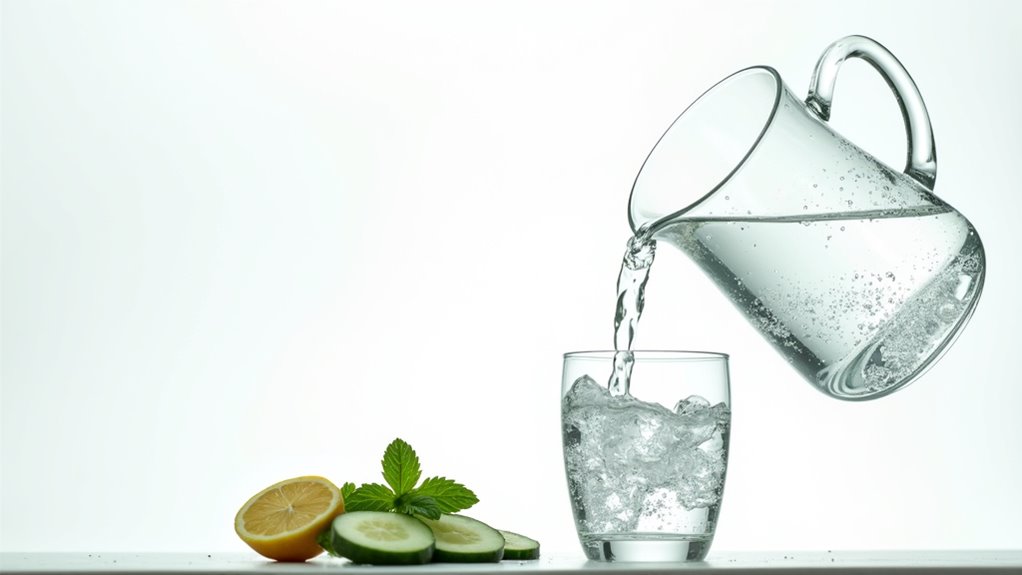
While many understand water’s significance theoretically, practical application often falls short. Studies show that chronic mild dehydration affects cognitive function, energy levels, and organ performance—yet remains unnoticed by most individuals.
Establishing consistent hydration habits requires intentionality. Set water reminders on your phone. Non-negotiable: drink before meals, upon waking, and after exercise. Your body isn’t requesting water—it’s demanding it.
The 8-glass rule? Forget it. Individual needs vary based on weight, activity level, and climate. Simple test: clear or light yellow urine indicates adequate hydration. Darker? You’re already dehydrated. Fix it. Now.
Hydration Through Fresh Produce

How often do people overlook nature’s hydration solutions sitting right in their refrigerator? Fruits and vegetables aren’t just nutritional powerhouses—they’re liquid gold. Watermelon, cucumber, and strawberries contain over 90% water, functioning as edible canteens.
Smart consumers leverage these juicy snacks between water breaks. Simple hydration recipes: toss berries into water bottles for flavor without additives, or blend cucumber with mint for a revitalizing afternoon boost.
The math is simple: regular produce consumption equals improved hydration status. Bodies don’t discriminate between water sources—they just need the liquid. Nature packaged hydration perfectly—unwrap it.
Avoiding Dehydrating Beverages

Although many people reach for their morning coffee or evening cocktail without a second thought, these popular beverages actively sabotage hydration efforts. The diuretic properties of caffeine and alcohol force the body to expel water rather than retain it, creating a dehydration cycle that’s difficult to break.
| Beverage | Dehydration Level | Soda Alternatives |
|---|---|---|
| Coffee | High | Herbal tea, chicory |
| Alcohol | Very high | Sparkling water with lime |
| Soda | Moderate | Fruit-infused water |
| Energy drinks | Extreme | Coconut water |
Caffeine effects include increased urination, headaches, and diminished cognitive function when overconsumed. Replace these liquid saboteurs with hydrating options that work with—not against—your body’s needs.
The Benefits of Mineral-Rich Detox Water
What makes mineral-rich detox water the hydration superstar your body craves? Beyond simple hydration, detox water delivers a powerhouse of 20 minerals and 19 amino acids your cells desperately need for peak function. Mineral absorption happens faster with these specialized formulations.
- Flushes toxins from crucial organs – your liver will thank you
- Fights inflammation at the cellular level – goodbye, chronic pain
- Enhances skin clarity – mirror reflections just got better
- Delivers essential nutrients – outperforming plain water dramatically
Detox benefits extend beyond hydration—they’re your body’s reset button.
Frequently Asked Questions
Can Drinking Too Much Water Be Harmful?
Yes, excessive intake of water can lead to water toxicity, diluting essential electrolytes. This condition disrupts normal bodily functions and may cause serious health complications if untreated.
How Does Hydration Affect Mental Performance?
Adequate hydration levels directly impact cognitive function. Even mild dehydration can impair concentration, memory, and decision-making abilities. Proper water intake maintains ideal brain performance and mental alertness throughout the day.
Should Hydration Needs Change With Different Exercise Intensities?
Exercise demands can utterly drain the body! Hydration needs greatly increase with exercise intensity, requiring tailored hydration strategies. Proper fluid intake considerably impacts performance and exercise recovery across varying workout levels.
Do Hydration Needs Vary by Age Group?
Hydration needs vary considerably across age groups. Infants, children, adults, and elderly individuals have different hydration guidelines based on age differences in metabolism, body composition, and kidney function.
Can Proper Hydration Improve Skin Conditions Like Eczema?
Coincidentally, research shows proper hydration often alleviates eczema symptoms. Adequate water intake supports skin health by maintaining moisture barriers and reducing inflammation, providing notable hydration benefits for various dermatological conditions.
Conclusion
While some dismiss hydration as merely “drinking when thirsty,” this biological autopilot fails spectacularly during busy days. Proper hydration isn’t optional—it’s your metabolic foundation. The body signals dehydration through headaches and fatigue only after cellular damage begins. Implement these science-backed hydration strategies immediately. Your brain, skin, and digestive system will function at peak efficiency, not just surviving your daily routine but thriving through it.
About The Author
