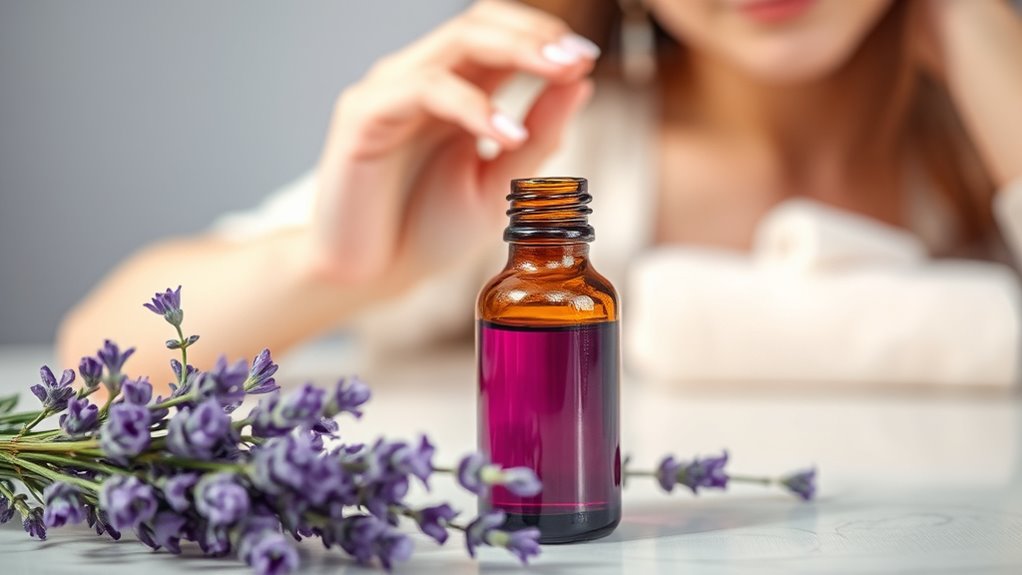
Headaches can strike anyone at any time, often derailing even the best-planned days. Many people reach for over-the-counter medications without considering natural alternatives that might work just as effectively. Lavender oil has emerged as a promising remedy for those seeking relief without pharmaceutical side effects. This aromatic oil contains compounds that interact with our nervous system to potentially calm pain signals and reduce tension. But how exactly does it work, and is there solid evidence behind these claims?
Some of the links in this article may be affiliate links. If you make a purchase through these links, we may earn a small commission at no extra cost to you. Thank you.
How Lavender Oil Works to Relieve Headaches
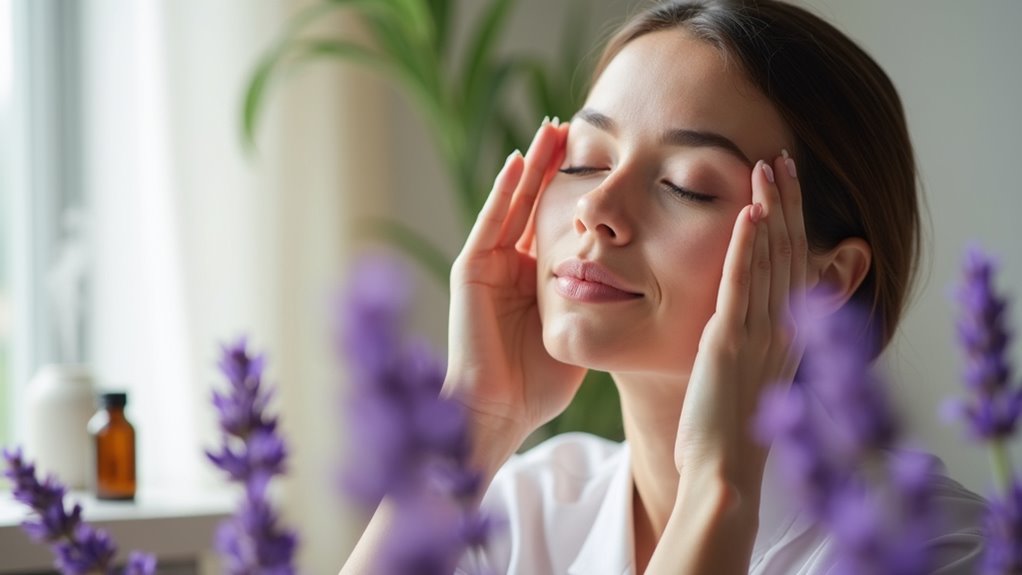
Many people wonder exactly how lavender oil manages to soothe those persistent headaches that can ruin an otherwise perfect day. The answer lies in lavender’s unique properties – it contains natural compounds like linalool and linalyl acetate that interact with our nervous system, fundamentally telling it to calm down.
These bioactive compounds work by addressing the core headache mechanisms. When inhaled, lavender properties travel through the olfactory system, directly impacting the limbic system responsible for pain perception and stress responses.
Perhaps most impressive is how quickly this happens – the relief often begins within minutes of application or inhalation.
Creating Effective Lavender Oil Blends for Pain Relief
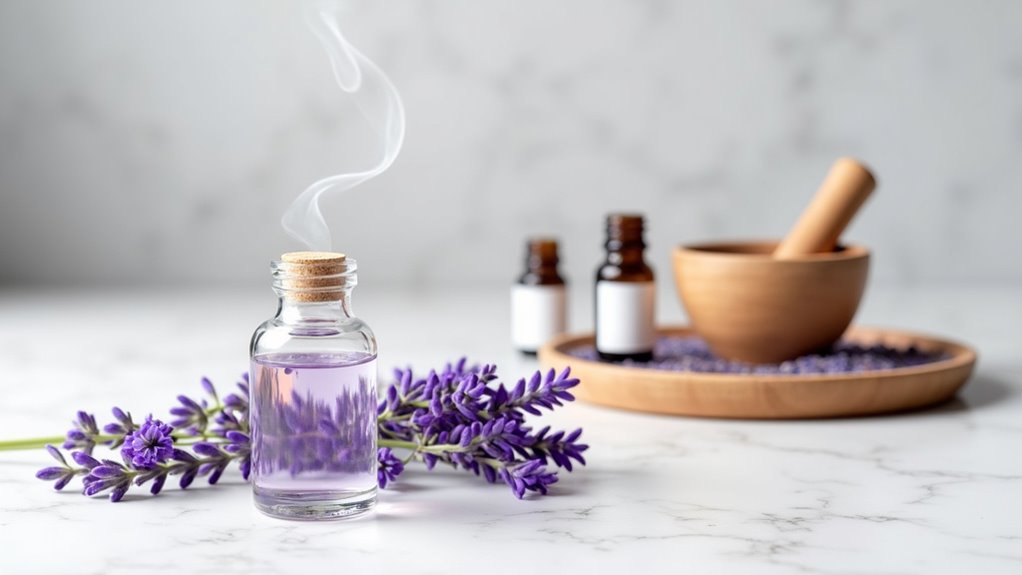
While lavender oil alone can be effective for headache relief, creating strategic blends with complementary essential oils often amplifies the therapeutic benefits.
A popular lavender oil recipe combines 6 drops of lavender with 6 drops of peppermint and 5 drops of frankincense in a 10ml roller bottle, filled with fractionated coconut oil as a carrier.
Perhaps the most versatile essential oil combinations include lavender-peppermint for tension headaches or lavender-frankincense for stress-related pain.
When headaches strike, lavender paired with peppermint tackles tension while lavender-frankincense silences stress-induced pain.
These blends work particularly well when applied to temples, neck, or behind the ears.
I think experimenting with different ratios might help you find what works best for your specific headache triggers.
Quick Application Methods for On-the-Go Headache Management

For those experiencing headache discomfort while away from home, having portable application methods can make all the difference. Roller bottle convenience allows for discreet, targeted relief whenever tension strikes.
Perhaps the most effective approach is combining portable options with proven inhalation techniques for thorough care.
- Keep a pre-mixed roller bottle in your purse, backpack, or desk drawer
- Apply directly to temples, forehead, and behind the ears when needed
- Take three deep breaths directly from the essential oil bottle for quick relief
- Use a personal inhaler with lavender oil for crowded environments
- Consider a disposable aromatherapy patch for hands-free, all-day support
Scientific Evidence Behind Lavender’s Headache-Fighting Properties

Research has consistently demonstrated lavender’s effectiveness in managing various types of headaches, particularly those stemming from tension and stress.
Several essential oil studies have documented the analgesic and sedative properties found in lavender chemistry that directly impact our nervous system.
Studies reveal lavender’s powerful pain-relieving and calming effects work directly on nervous system pathways.
The chemical compounds linalool and linalyl acetate in lavender appear to influence neurotransmitter activity, perhaps explaining its calming effects.
In one notable clinical trial, migraine sufferers reported significant pain reduction after inhaling lavender oil for 15 minutes.
While more research is certainly needed, the existing evidence suggests that lavender’s therapeutic benefits aren’t merely anecdotal but are rooted in its unique biochemical properties.
Frequently Asked Questions
Can Pregnant Women Safely Use Lavender Oil for Headaches?
Safety guidelines suggest pregnant women consult healthcare providers before using lavender oil for headaches. Aromatherapy with lavender is generally considered mild, but individual circumstances may require professional advice.
How Long Does Lavender Oil’s Headache Relief Typically Last?
Lavender oil’s headache relief effectiveness typically lasts 2-3 hours per application. The duration varies based on individual response, headache severity, and application method used. Reapplication may extend relief benefits.
Can Lavender Oil Help With Migraines or Only Tension Headaches?
Like a versatile tool in a gardener’s shed, lavender oil’s efficacy extends beyond tension headaches to migraines. Research suggests it can address multiple headache types through its calming and pain-relieving properties.
Will Lavender Oil Interact With Prescription Headache Medications?
Potential lavender oil interactions with headache medications remain largely unstudied. Patients should consult healthcare providers to guarantee lavender oil usage doesn’t compromise headache medication efficacy or create adverse effects.
At What Age Can Children Start Using Lavender for Headaches?
Like tender seedlings in a garden, children’s health requires caution with aromatherapy. Generally, diluted lavender oil can be introduced for headaches around age 6, with proper lavender safety considerations and parental supervision.
Conclusion
When headaches strike, lavender oil offers a gentle alternative worth exploring. Science confirms what herbalists have long known – this purple powerhouse can soothe our overworked nervous systems. Like a cool breeze on a summer day, lavender’s calming embrace can ease tension and pain naturally. Whether inhaled, applied, or blended with complementary oils, this accessible remedy provides a moment of relief in our hectic, headache-prone lives.
About The Author
