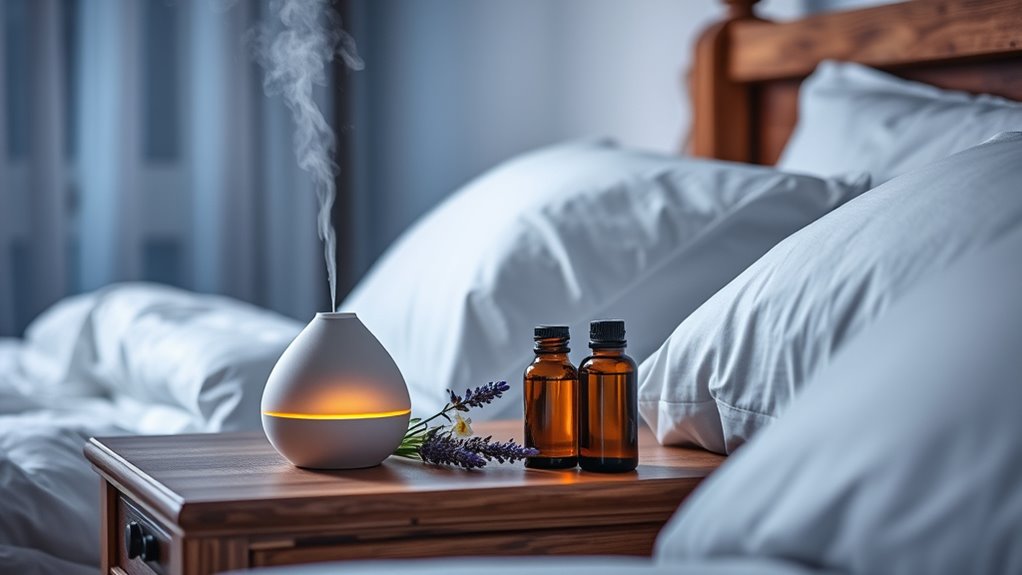
Sleep troubles have become all too common these days. Many people toss and turn, perhaps seeking solutions beyond medication. Essential oils offer a natural alternative that’s gaining attention among those desperate for rest. Studies suggest certain aromatic compounds can actually calm the nervous system and prepare the body for sleep. While not everyone responds the same way, there’s something intriguing about how something as simple as lavender might transform a night of frustration into peaceful slumber. The science behind it might surprise skeptics.
Some of the links in this article may be affiliate links. If you make a purchase through these links, we may earn a small commission at no extra cost to you. Thank you.
The Hidden Dangers of Chronic Insomnia

While many view insomnia as merely an inconvenience that leaves one feeling tired the next day, the reality of chronic sleep deprivation extends far beyond temporary fatigue.
Those suffering from persistent sleeplessness face serious health impacts that accumulate over time. Chronic insomnia greatly impairs cognitive function, perhaps leading to poor decision-making and reduced reaction times.
It’s also linked to more serious conditions like depression, weakened immunity, and even heart disease. I think what’s particularly concerning is how the effects ripple through daily life, affecting relationships and work performance in ways that might not be immediately obvious to the sufferer.
Top Essential Oils That Promote Deep Sleep
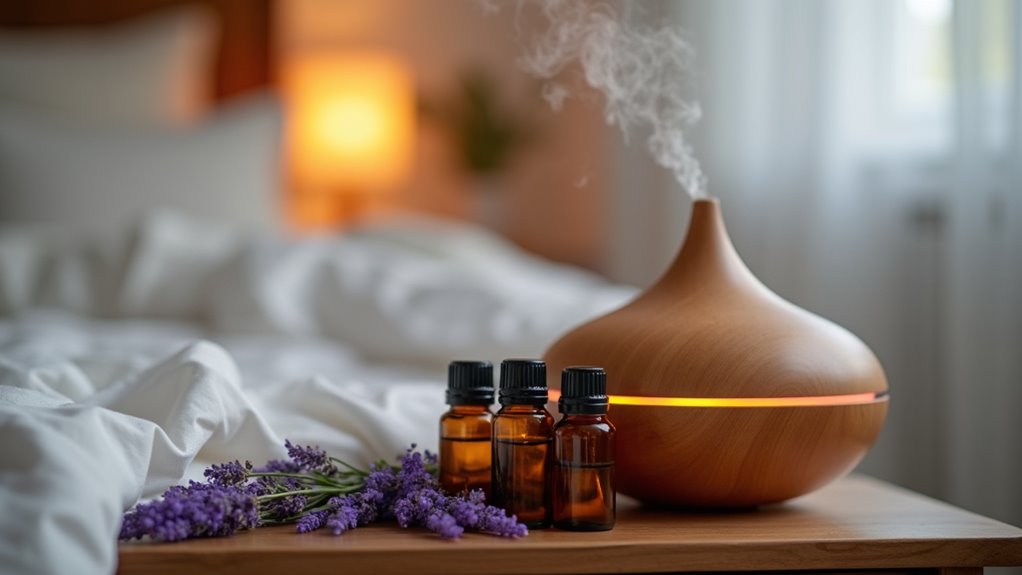
Five powerful essential oils stand out from the rest when it comes to promoting deep, restful sleep.
Lavender benefits include natural sedative properties that help quiet an overactive mind, perhaps the most well-researched option for insomnia sufferers.
Bergamot offers emotional balance, while chamomile properties work to reduce stress and promote relaxation.
Many find that Roman chamomile works even better than the tea variety.
Sweet marjoram and vetiver complete the list, with the former easing physical tension and the latter providing a grounding effect that anchors restless thoughts.
Together, these natural solutions might just be the key to ending sleepless nights.
How to Choose High-Quality Essential Oils for Maximum Benefit

When it comes to treating insomnia with aromatherapy, the quality of essential oils matters greatly more than many people realize. Not all products on the market meet the same certification standards, which can greatly impact therapeutic benefits.
Look for oils extracted through proper oil extraction methods like steam distillation or cold pressing, rather than chemical processes that might leave harmful residues.
Perhaps the most reliable indicators of quality are third-party testing documentation and transparent sourcing information.
Quality oils reveal themselves through verified testing and clear origin stories.
Companies like Plant Therapy and Edens Garden maintain rigorous quality control and typically offer therapeutic-grade products.
Effective Ways to Incorporate Essential Oils Into Your Bedtime Routine

Creating a consistent bedtime routine with essential oils can transform the sleep experience for many insomnia sufferers. Simple aromatic rituals, practiced regularly, signal to the body that it’s time to wind down.
Try adding 2-3 drops of lavender or chamomile to a diffuser 30 minutes before sleep. Or perhaps create personalized nighttime blends by combining vetiver with sweet marjoram for deeper relaxation.
A warm bath with essential oils can work wonders too.
I think many find that applying diluted oils to pulse points—wrists, neck, temples—creates a portable calming effect.
Whatever method you choose, consistency is key to training your brain to associate these scents with rest.
Frequently Asked Questions
Can Essential Oils Interact With Sleep Medications?
Essential oils may interact with sleep medications, potentially enhancing or interfering with their effects. Individuals taking sleep medication should consult healthcare providers before incorporating essential oils into their regimen.
Are Essential Oils Safe for Children and Pregnant Women?
Studies show 80% of pregnant women seek natural remedies. Essential oil safety varies by age and condition. Children and pregnant women should consult healthcare providers before using diluted essential oils due to specific pregnancy considerations.
How Long Before Bedtime Should I Use Essential Oils?
Essential oils should be used 30-60 minutes before sleep. Different diffusion methods offer varying coverage periods, and individual scent preferences may influence timing for ideal relaxation and effectiveness.
Can Essential Oils Help With Sleep Apnea or Other Disorders?
Research on essential oil benefits for sleep apnea is limited. While they may promote relaxation and better breathing, they’re not considered primary treatments for sleep disorders requiring medical intervention.
How Quickly Will I Notice Improved Sleep From Essential Oils?
Results vary by individual. Most users notice improved sleep duration within 1-2 weeks of consistent use. Higher oil potency and proper application methods can accelerate positive effects.
Conclusion
While some skeptics question the effectiveness of aromatherapy, essential oils offer a natural alternative to pharmaceutical sleep aids without the morning grogginess. Incorporating lavender, chamomile, or sweet marjoram into your nightly ritual can transform your sleep environment and signal your body it’s time to rest. Remember, consistency is key—the benefits accumulate over time as your mind and body learn to associate these calming scents with deep, restorative sleep.
About The Author
