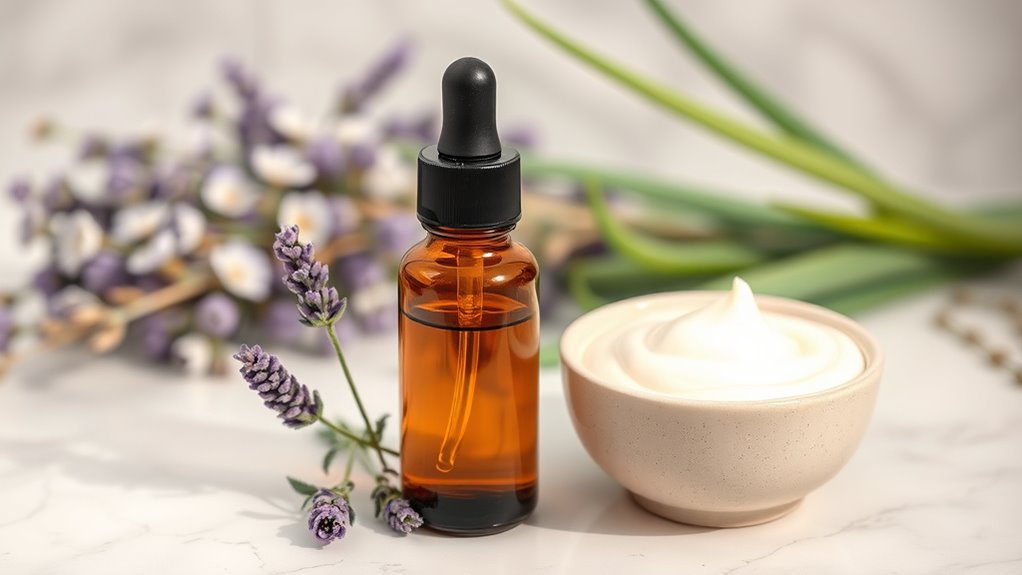
Eczema sufferers know the frustration of that persistent itch and inflammation. Essential oils offer a natural alternative that many find effective, though results certainly vary from person to person. Lavender and tea tree seem particularly promising based on recent research, yet they’re often overlooked in favor of prescription treatments. Perhaps what makes these plant-based remedies worth considering is their dual action—addressing both physical symptoms and the stress that typically aggravates flare-ups. But which oils actually deliver on their promises?
Some of the links in this article may be affiliate links. If you make a purchase through these links, we may earn a small commission at no extra cost to you. Thank you.
Understanding Eczema: Symptoms and Triggers
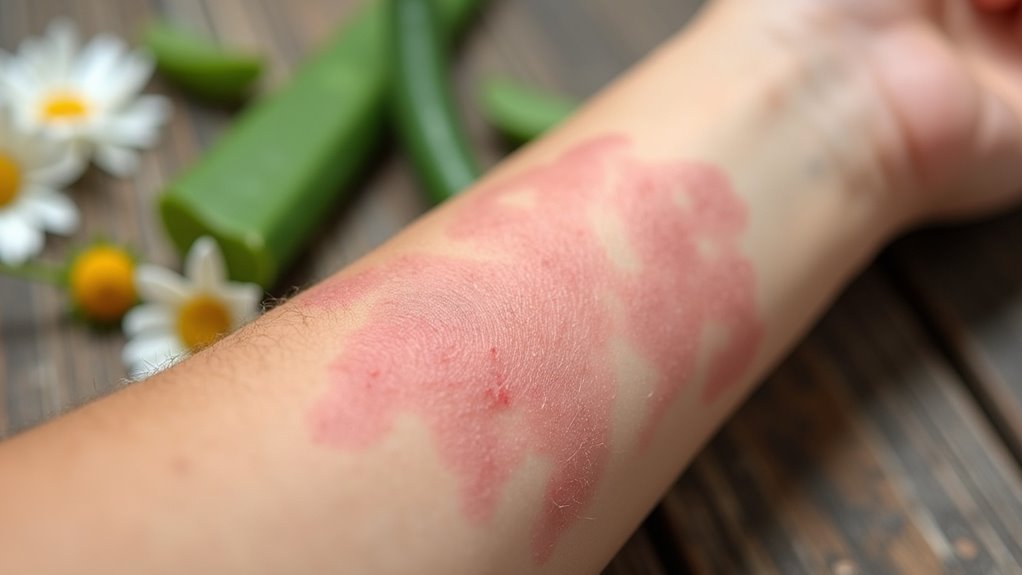
Eczema, a persistent skin condition that affects millions worldwide, manifests through a variety of uncomfortable and often distressing symptoms. The telltale signs typically include dry, itchy patches that may become red, scaly, and in severe cases, develop into blisters that weep and crust over.
Understanding eczema triggers is essential for effective symptom management. Common culprits include environmental factors like dust and pollen, certain fabrics, stress, and even some foods.
Perhaps most frustrating for sufferers is how triggers vary greatly between individuals, making personalized approaches necessary for relief.
The Science Behind Essential Oils for Skin Health
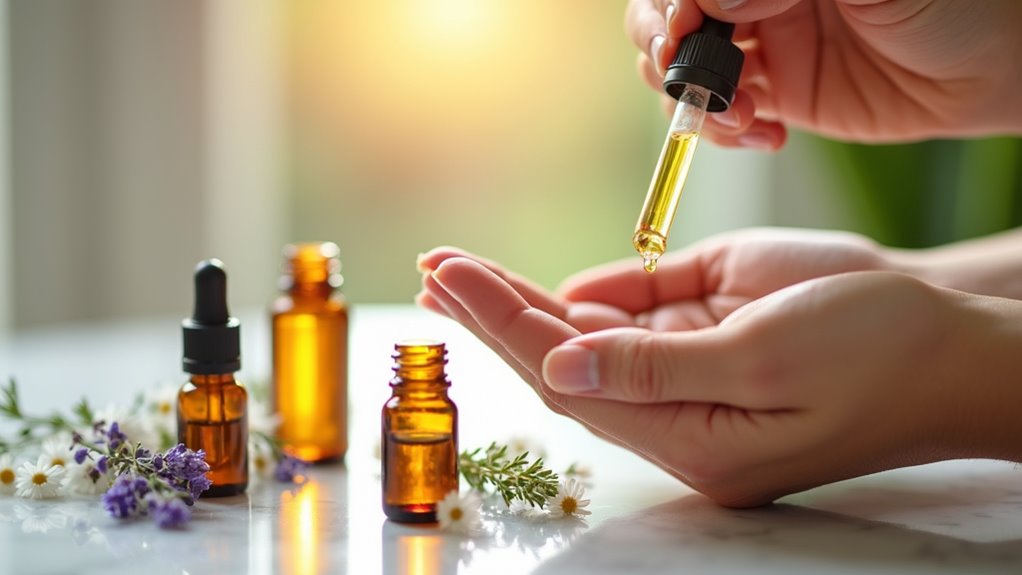
When it comes to understanding why essential oils can benefit skin conditions, the science reveals a fascinating interplay of natural compounds and human physiology. The essential oil extraction process preserves powerful plant compounds that can penetrate skin layers, helping to reduce inflammation and irritation common in eczema.
Many essential oils contain terpenes and flavonoids that support skin barrier repair – perhaps the most vital aspect for eczema sufferers.
When the skin’s protective barrier weakens, moisture escapes and irritants enter more easily. I think this explains why oils like lavender and tea tree show promising results, as they help rebuild this barrier while simultaneously fighting potential infections that might worsen outbreaks.
Top 5 Essential Oils That Combat Eczema Effectively

Looking beyond the science of why essential oils work, patients often want to know which specific oils might offer the most relief for their eczema symptoms.
Research suggests five oils stand out for their essential oil properties.
Lavender tops many lists for its calming effect on irritated skin, while tea tree provides powerful antimicrobial benefits that help prevent infection.
Rosemary reduces inflammation, and mandarin gently soothes persistent itching.
I think coconut oil, though technically a carrier oil, deserves mention for its moisturizing qualities.
These oils can be incorporated into personalized eczema prevention strategies, perhaps through diluted applications or warm bath additions.
Creating Your Own Essential Oil Blends for Eczema Relief
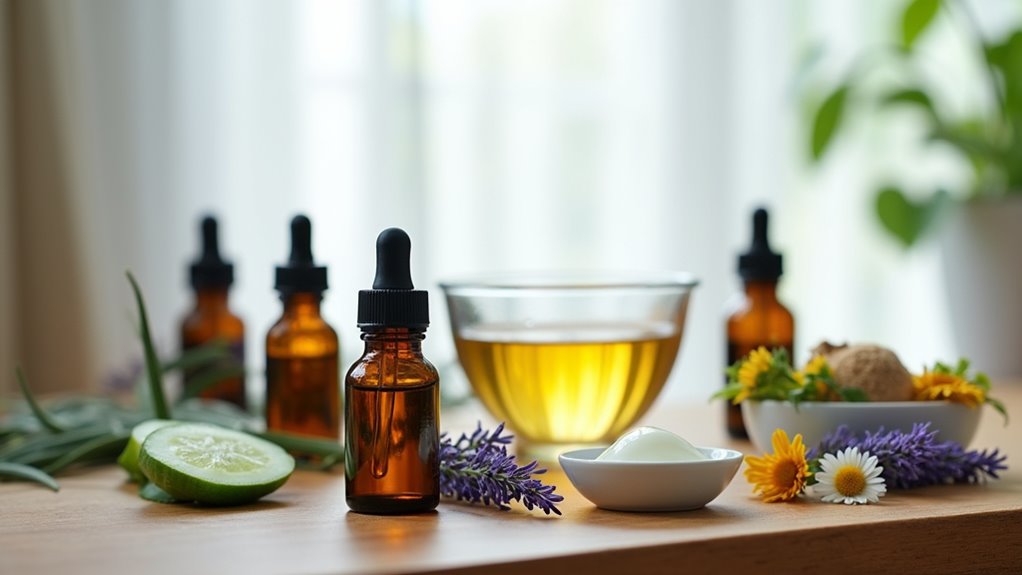
Creativity emerges when individuals combine essential oils to create personalized solutions for their specific eczema symptoms.
Perhaps the most effective homemade blends contain a balance of soothing and anti-inflammatory oils mixed in appropriate essential oil ratios. Most experts suggest starting with a 2% dilution (about 12 drops per ounce of carrier oil).
Finding your perfect eczema relief starts with balanced blends at 2% dilution—just 12 drops per ounce of carrier oil.
Trial and error often leads to discovering what works best for one’s skin. Lavender and tea tree make a wonderful starting combination, though some might prefer adding rosemary for extra relief.
The beauty of creating personal blends lies in the ability to adjust ingredients based on how your skin responds.
Frequently Asked Questions
How Long Before I See Results Using Essential Oils?
Results from essential oils vary by individual. Most people notice improvements after 1-2 weeks of consistent application timing, allowing proper oil absorption into affected skin areas.
Can Essential Oils Completely Replace Prescription Eczema Medications?
Like a supportive partner not a primary caretaker, essential oils effectiveness complements traditional treatments but cannot completely replace prescription medication alternatives in severe eczema cases. Medical consultation remains necessary for proper management.
Are There Any Essential Oils Pregnant Women Should Avoid?
Pregnant women should avoid several essential oils for safety concerns. Rosemary, tea tree, and certain citrus oils may pose risks during pregnancy. Healthcare provider consultation is recommended before using essential oils.
How Often Should Essential Oils Be Applied Daily?
Application frequency for essential oils typically ranges from 1-3 times daily as part of a consistent daily regimen. Individual needs vary based on symptom severity and specific oil properties.
Can Essential Oils Trigger Allergic Reactions in Sensitive Individuals?
Yes, essential oils can trigger allergic reactions in sensitive individuals. Prior sensitivity testing is recommended to identify potential problems before regular application. Dilution with carrier oils reduces reaction risks.
Conclusion
Essential oils offer a gentle alternative for those battling eczema’s persistent discomfort. As the saying goes, “nature provides the best medicine,” and these botanical extracts certainly prove this wisdom. With consistent application and proper dilution, many find significant relief from inflammation and itching. Though not a cure-all for everyone, essential oils might just be the natural solution your skin has been waiting for—worth exploring on your journey toward healthier skin.
About The Author