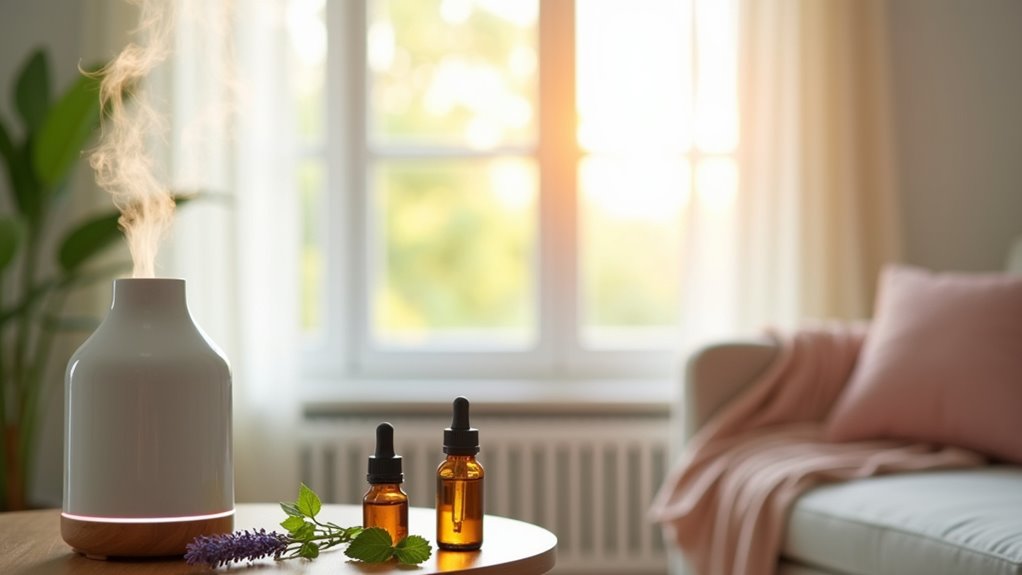
Allergies disrupt daily life for millions, turning simple activities into uncomfortable ordeals. Essential oils offer a natural alternative worth exploring. Research suggests that certain oils contain compounds that may reduce inflammation and open airways. Lavender and peppermint, for instance, seem particularly effective for many sufferers. The approach isn’t perfect—some people might need stronger interventions—but incorporating these botanical solutions could complement existing treatments. What if relief could be as simple as inhaling certain scents?
Some of the links in this article may be affiliate links. If you make a purchase through these links, we may earn a small commission at no extra cost to you. Thank you.
Understanding Allergy Symptoms and Triggers

Countless individuals worldwide suffer from allergies, with symptoms ranging from mildly annoying to severely debilitating. These allergic reactions occur when the immune system overreacts to typically harmless substances in the environment.
Common triggers include animal dander, dust mites, pollen, and certain foods. Proper allergy awareness involves recognizing symptoms like sneezing fits, itchy eyes, runny nose, and skin rashes. Some people might also experience headaches or digestive issues that they don’t immediately connect to allergies.
Symptom identification is perhaps the first essential step toward finding relief. Indoor air quality often plays a significant role in exacerbating these symptoms, especially during peak allergy seasons. Maintaining proper fluid intake can help alleviate congestion, further contributing to symptom relief.
Top 5 Essential Oils for Natural Allergy Relief

Many allergy sufferers are turning to essential oils as a natural alternative to conventional treatments. These plant-derived compounds offer relief without the side effects often associated with medications.
Lavender tops the list, providing antihistamine and anti-inflammatory benefits that calm irritated sinuses. Peppermint oil, perhaps the most versatile, opens airways and reduces congestion almost immediately. Lemon oil’s purifying properties help neutralize allergens, while eucalyptus addresses respiratory issues.
Roman chamomile rounds out these powerful options with its soothing qualities. For maximum effectiveness, many users create essential oil blends tailored to their specific allergy symptoms—combining, for instance, lavender and peppermint for extensive allergy relief. Additionally, essential oils like lavender possess natural properties that can also promote better sleep, enhancing overall well-being.
Application Methods: How to Use Essential Oils Effectively
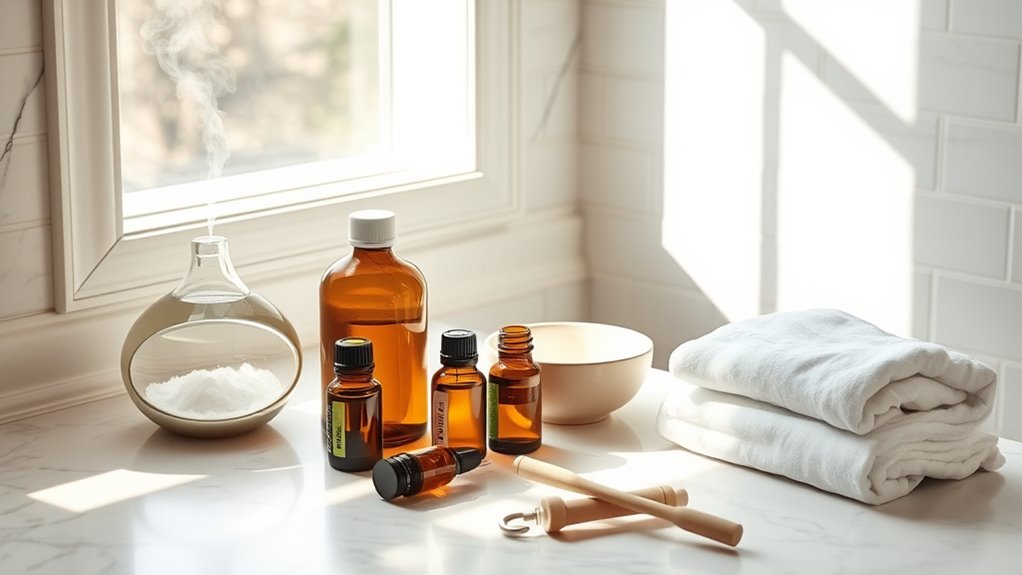
Now that we comprehend which essential oils can help with allergies, applying them correctly becomes the next important consideration. Different methods offer varying benefits, perhaps depending on the specific allergy symptoms you’re experiencing.
Understanding the right oils is just the beginning—the application method can dramatically influence your allergy relief success.
Here are effective application methods for essential oils:
- Diffusion – Create custom diffuser blends with 5-7 drops of oils like lavender and eucalyptus.
- Topical application – Mix with carrier oils (1-2 drops per teaspoon) before applying to pulse points.
- Steam inhalation – Add 3-4 drops to hot water and breathe deeply for congestion relief.
- Linen sprays – Combine with distilled water to refresh bedding and reduce allergens.
Incorporating proper storage methods is essential to maintain the potency of your essential oils for maximum effectiveness.
Creating a Comprehensive Allergy Management Plan
While implementing individual treatments for allergies can provide relief, developing a thorough management plan often proves more effective for long-term success. This approach combines various allergy prevention strategies with consistent application methods.
Start by identifying specific triggers through medical testing, then focus on improving indoor air quality with HEPA filters and perhaps regular dusting. I think incorporating essential oils as one component—rather than the sole solution—creates a more balanced approach.
The most successful plans typically evolve over time, adjusting as seasons change and new triggers emerge. Remember that what works for one person might need modification for another.
Frequently Asked Questions
Are Essential Oils Safe for Pets With Allergies?
Many essential oils pose dangers to pets with allergies. Pet owners should observe for allergy symptoms and exercise essential oil precautions, as pets can experience toxic reactions to certain oils.
How Long Do Essential Oils Remain Effective After Application?
Essential oils’ application duration typically ranges from 2-6 hours depending on efficacy factors including oil type, concentration, application method, environmental conditions, and individual body chemistry.
Can Children Use Essential Oils for Allergy Relief?
Children can use essential oils for allergy relief with careful attention to child safety. Proper oil dilution is vital, using more carrier oil than for adults to prevent skin sensitivity reactions.
Do Essential Oils Interact With Allergy Medications?
Like ships passing too closely in foggy waters, essential oils may interact with allergy medications. These essential oil interactions can potentially enhance or diminish allergy medication effects, warranting caution and medical consultation.
Can Essential Oils Help With Food Allergies?
Essential oils may provide symptomatic relief but aren’t proven treatments for food allergy management. Lavender and peppermint oils might reduce inflammation, but medical guidance remains primary for food allergen recommendations.
Conclusion
When nature’s medicine cabinet opens, allergy sufferers find relief beyond synthetic solutions. Essential oils offer not just symptom management, but a gentler path to wellness that honors the body’s natural rhythms. While no remedy works overnight, these aromatic allies—properly utilized—can transform the allergy experience from one of dread to manageable discomfort. Perhaps in these ancient plant essences lies the very breath of relief we’ve been searching for all along.
About The Author