
Asthma sufferers know the frustration of breathing difficulties all too well. Recent interest in natural remedies has turned attention toward essential oils as potential allies in respiratory health. Though not replacements for prescribed medications, oils like peppermint and eucalyptus seem to offer complementary benefits for some individuals. The aromatic compounds might help open airways and reduce inflammation during mild episodes. Perhaps most importantly, they provide options for creating environments that minimize common triggers while supporting overall wellness.
Some of the links in this article may be affiliate links. If you make a purchase through these links, we may earn a small commission at no extra cost to you. Thank you.
Understanding Asthma and Its Triggers

Asthma, a chronic respiratory condition affecting millions worldwide, creates challenges that extend far beyond the occasional breathing difficulty. The unpredictable nature of asthma symptoms often leaves sufferers anxious about their next attack.
Environmental factors play a significant role in triggering these episodes. Things like pollen, pet dander, and even cold air can set off inflammation in sensitive airways. Perhaps what’s most frustrating for many patients is how these triggers seem to change over time – what caused problems last year might not be an issue today.
Understanding personal triggers is, I think, the first step toward better management of this complex condition.
Top Essential Oils That Support Respiratory Health
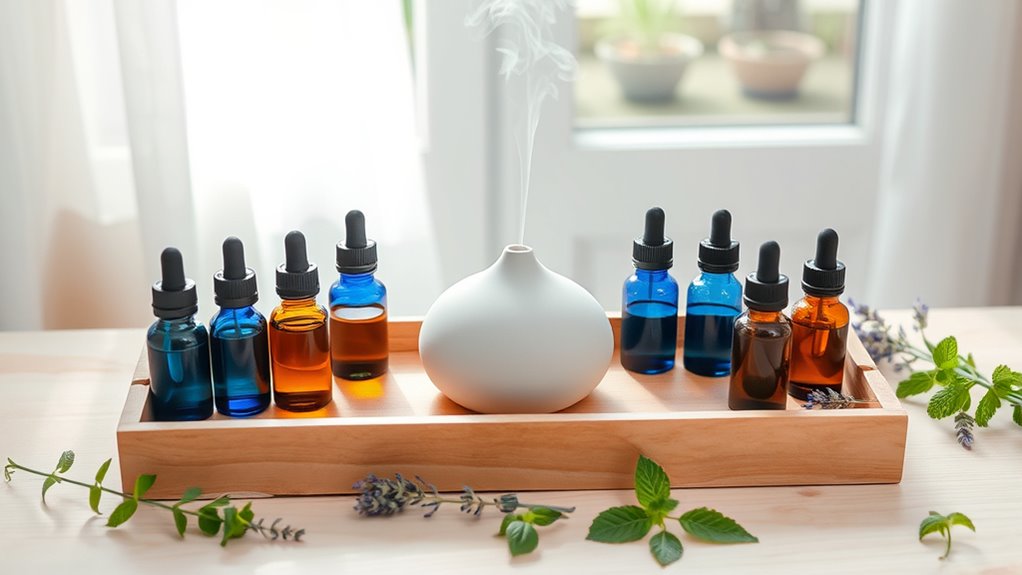
Numerous essential oils have shown promise for those struggling with respiratory conditions, offering natural support alongside conventional treatments. Peppermint oil stands out for its ability to relax respiratory tract muscles, while frankincense contains powerful anti-inflammatory properties that may help reduce airway inflammation.
- Tea tree oil can help expel mucus and potentially alleviate wheezing
- Roman chamomile provides calming effects that might reduce stress-triggered symptoms
- Eucalyptus oil, perhaps the most well-known for respiratory support, helps open airways
- Bergamot may promote relaxation during attacks, addressing the anxiety component
These essential oil benefits can complement traditional asthma management strategies, though I think it’s always important to consult healthcare providers before trying alternative approaches. Additionally, aromatic compounds in essential oils travel to the limbic system, triggering neurochemical responses that may further support respiratory health.
Effective Methods for Using Essential Oils for Asthma Relief
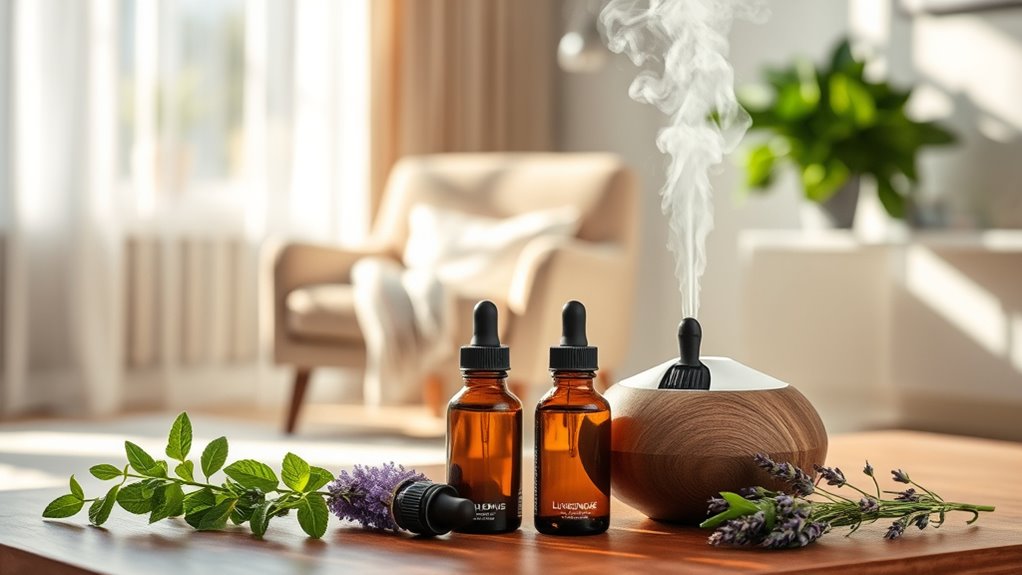
With the right respiratory-supporting oils identified, the next question becomes how to apply them effectively for maximum benefit. Several methods stand out for those managing asthma symptoms at home.
Aromatic inhalation through steam therapy might be the most direct approach—adding a few drops of peppermint or eucalyptus to hot water and carefully breathing in the vapors. Diffusers also provide a gentle, consistent exposure throughout a living space.
For a more localized effect, soothing blends applied to the chest can provide comfort during tight-breathing episodes. Perhaps the simplest method is direct inhalation from the bottle, which many find helpful during moments of respiratory stress.
Creating a Holistic Approach to Asthma Management
While essential oils can provide significant relief, a truly effective asthma management plan integrates these natural remedies within a broader holistic strategy. Creating a holistic lifestyle that supports respiratory health might include environmental modifications, stress reduction techniques, and perhaps mindful breathing exercises that strengthen lung capacity.
- Eliminate common triggers in the home environment
- Incorporate anti-inflammatory foods into daily meals
- Practice regular mindful breathing exercises, especially during symptom-free periods
- Develop an individualized stress management routine
This integrated approach acknowledges that asthma management isn’t just about treating symptoms when they appear, but rather creating conditions where the body’s respiratory system can function efficiently every day. Additionally, maintaining proper hydration can thin mucus and support overall respiratory health.
Frequently Asked Questions
Can Essential Oils Replace My Prescribed Asthma Medications?
Essential oils cannot replace prescribed asthma medications. While they may complement treatment as supportive measures, medical professionals recommend maintaining prescribed regimens for effective asthma management rather than alternative treatment options alone.
Are Essential Oils Safe for Children With Asthma?
Essential oils require caution for children with asthma. Most types should be diluted considerably or avoided, as they may trigger respiratory distress. Always consult pediatricians before using around child asthmatics.
How Quickly Can Essential Oils Help During an Attack?
As breath becomes labored and panic sets in, essential oils can provide immediate relief within minutes when used properly. Direct inhalation techniques offer the fastest response during an asthma attack.
Can Pregnant Women Use Respiratory Essential Oil Blends?
Pregnant women should consult healthcare providers before using respiratory essential oil blends. Safety guidelines recommend reduced oil concentrations during pregnancy, as some oils may affect hormones or uterine contractions.
Do Essential Oils Cause Allergic Reactions in Asthma Sufferers?
Some asthma sufferers may experience allergic reactions to essential oils due to sensitivities or fragrance allergies. Patch testing and consulting healthcare providers is recommended before using these potent plant extracts.
Conclusion
Essential oils stand as quiet allies in asthma’s stormy landscape, offering their ancient wisdom to modern sufferers. Like keys revealing tight doors, peppermint, eucalyptus, and frankincense gently ease constricted airways. While not silver bullets, these aromatic guardians weave themselves into the fabric of holistic care—perhaps creating breathing spaces where pharmaceuticals alone cannot reach. In the delicate dance between management and relief, nature’s essences might just help cultivate islands of calm for troubled lungs.
About The Author
