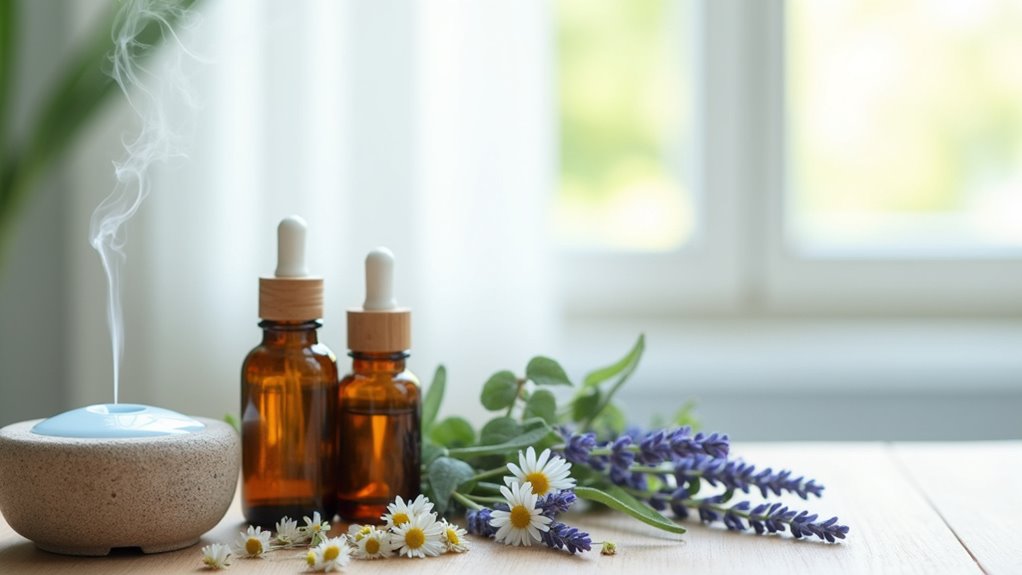
The constant barrage of emails, notifications, and deadlines has many people searching for natural ways to find balance. Essential oils offer a curious solution—both ancient and increasingly supported by modern research. These concentrated plant extracts work through our sense of smell, triggering responses in the brain that can actually shift our emotional state. Though skeptics might dismiss aromatherapy as merely pleasant scents, the neurological pathways they activate suggest something more profound might be happening when we inhale these botanical compounds.
Some of the links in this article may be affiliate links. If you make a purchase through these links, we may earn a small commission at no extra cost to you. Thank you.
Understanding the Mind-Body Connection of Stress
Tension permeates our bodies in ways we often fail to recognize. The constant presence of stress triggers a cascade of physical responses—disrupted sleep patterns, foggy concentration, and persistent fatigue that seems impossible to shake off. Perhaps most concerning is how these symptoms create a self-perpetuating cycle of anxiety.
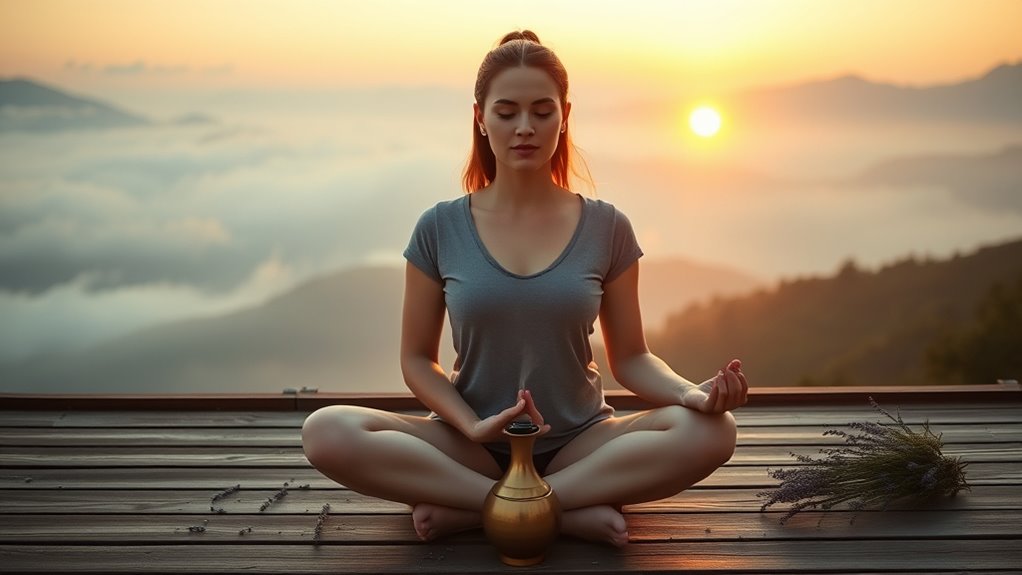
When stress lingers, emotional regulation becomes increasingly difficult. Our minds race between insecurity and overwhelm, making balanced reactions to daily challenges nearly impossible. This is where mindfulness practices become essential, I think—creating space between stimulus and response.
The body speaks what the mind experiences. Understanding this connection is the first step toward breaking the exhausting pattern of chronic stress. Incorporating mindfulness practices into our daily routines can significantly alleviate these symptoms and enhance our overall well-being.
Top 5 Essential Oils to Combat Daily Anxiety
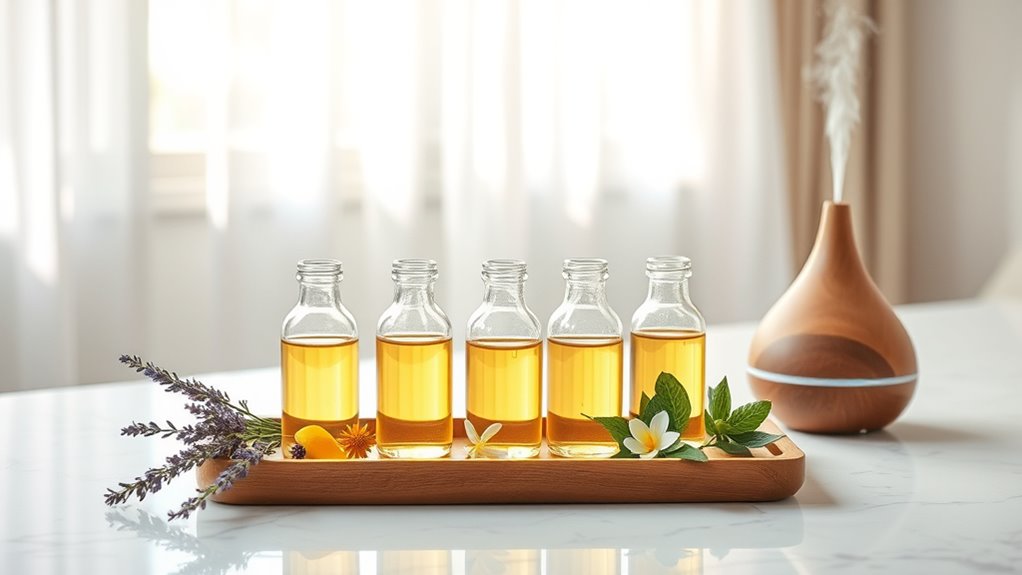
Five essential oils stand out as powerful allies against the daily onslaught of anxiety. Lavender benefits users with its calming floral notes that promote relaxation and better sleep quality—perhaps the most versatile oil for stress relief. Frankincense grounds racing thoughts with its earthy aroma, while geranium enhances mood during particularly challenging days.
Chamomile German deserves attention for clearing the mind of negative thoughts, creating mental space for peace. Bergamot properties include a uniquely uplifting scent that balances emotional states without sedating—it’s surprisingly effective for anxiety that manifests as restlessness rather than fatigue. Incorporating these oils into your routine can help combat the hidden dangers of chronic stress and promote overall well-being.
Practical Methods for Incorporating Aromatherapy Into Your Routine
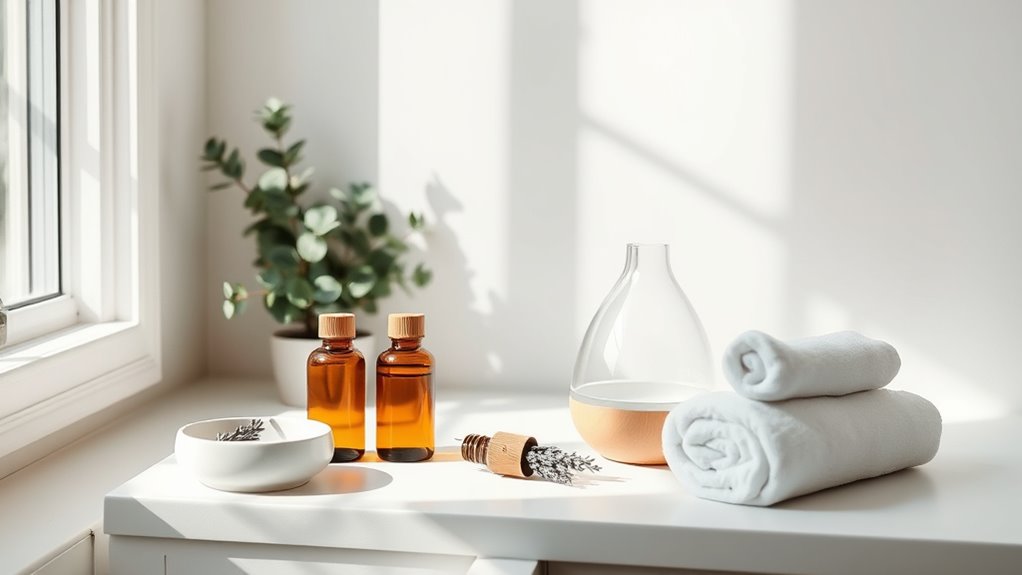
When life becomes overwhelming, integrating aromatherapy into daily routines offers a practical escape from mounting pressure. Perhaps the simplest method is employing diffuser techniques throughout living spaces, creating a constant atmosphere of calm during hectic days.
Topical applications provide another avenue for relief. A few drops of lavender or frankincense mixed with a carrier oil can be massaged into temples or wrists during stressful moments. Some find that applying these blends before bed helps combat stress-induced insomnia. Additionally, the calming effects of lavender oil affect the brain’s limbic system, enhancing relaxation and promoting a sense of tranquility.
Bath-time rituals might be the most indulgent approach—adding chamomile or bergamot oils to warm water transforms an ordinary soak into a therapeutic experience.
Creating Custom Blends for Your Unique Stress Triggers
The journey toward stress relief becomes more effective when tailored to one’s specific needs. Understanding what triggers stress—perhaps work deadlines, family dynamics, or sleep issues—allows for creating custom oil recipes that target these specific concerns.
Personalized scent profiles work remarkably well because they’re designed around individual preferences and responses. Someone who feels anxious might benefit from lavender and frankincense, while those experiencing mental fatigue might prefer bergamot with a touch of geranium.
Experimentation is key. Start with small batches, noting which combinations seem to work best for particular situations. The right blend often reveals itself through practice.
Frequently Asked Questions
Can Essential Oils Interact With Medications for Anxiety or Depression?
Certain essential oils may cause interactions with anxiety or depression medications, potentially altering medication side effects or effectiveness. Consulting healthcare providers before combining essential oils with pharmaceuticals is recommended.
How Long Do the Stress-Relieving Effects of Essential Oils Last?
Like clouds passing through a sky, essential oil effects typically last 2-6 hours. Duration factors include oil type, application method, and individual responses to specific scents and their properties.
Are There Any Essential Oils Pregnant Women Should Avoid?
Pregnant women should avoid certain essential oils following safety guidelines. Pregnancy precautions recommend avoiding clary sage, rosemary, and cinnamon oils due to potential uterine stimulation and other contraindications during gestation.
Can Children Safely Use Essential Oils for Stress?
Children can use certain essential oils for stress, but child safety must be prioritized through proper oil dilution. Adult supervision is necessary, and concentration should be considerably lower than adult formulations.
What’s the Difference Between Therapeutic Grade and Regular Essential Oils?
While 53% of aromatherapy users prioritize quality, therapeutic grade oils have no standardized definition. Unlike regular oils, therapeutic-grade products typically involve superior essential oil sourcing processes that preserve potential therapeutic benefits for consumers.
Conclusion
As the mist of lavender dances through the air, essential oils weave their silent magic within our daily chaos. Like gentle whispers amid a storm, these botanical treasures offer an anchor when life’s waves crash too forcefully. Perhaps their greatest gift isn’t just momentary escape, but teaching us that peace often dwells in the smallest of rituals—a drop of oil, a deep breath, a moment reclaimed from stress’s relentless grip.
About The Author
