Millions struggling with IBS know the frustration of unpredictable flare-ups disrupting daily life. Essential oils offer a natural alternative worth considering. The power of these concentrated plant extracts—particularly peppermint, ginger, and fennel—lies in their ability to target digestive discomfort at its source. While not a cure-all, many find significant relief through these healing oils when conventional treatments fall short. Their anti-inflammatory properties might just provide the gentle support an irritated digestive system needs.
Some of the links in this article may be affiliate links. If you make a purchase through these links, we may earn a small commission at no extra cost to you. Thank you.
The Science Behind Essential Oils and Digestive Health
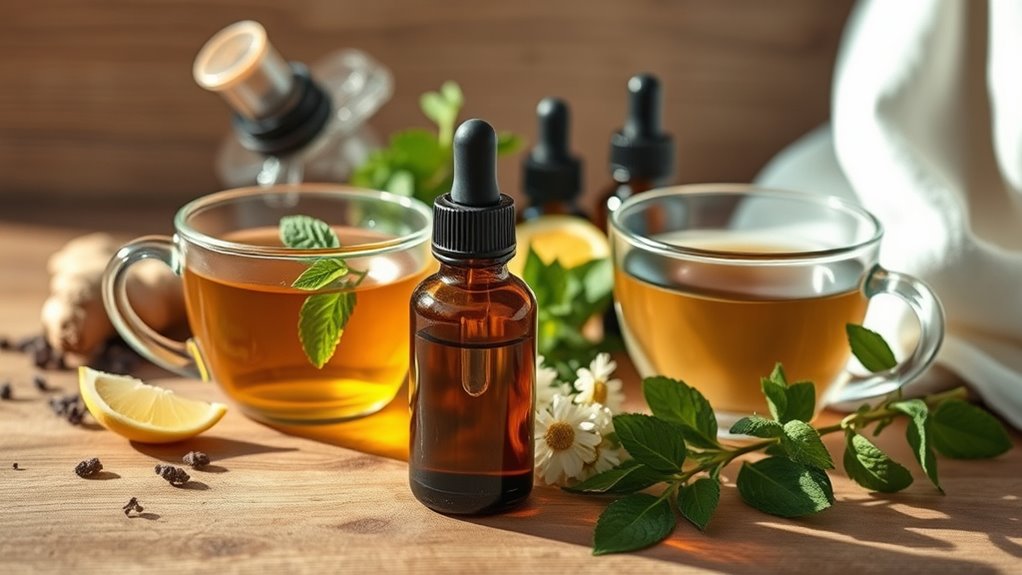
While essential oils have been used for centuries in traditional medicine, their application in managing digestive disorders like IBS has only recently gained scientific attention. Research suggests that certain essential oil properties can influence gut motility and reduce inflammation, which are key factors in digestive health management.
The terpenes and phenols found in these oils interact with receptors in our digestive tract, potentially modulating nerve signals that control gut function. I think this explains why oils like peppermint and ginger show promise in clinical settings, though more research is certainly needed to fully understand their mechanisms of action. Additionally, oils such as Angelica Essential Oil have been shown to alleviate cramping and bloating effectively, which can be beneficial for those suffering from IBS discomfort.
Top Essential Oils That Relieve IBS Symptoms

Several essential oils have demonstrated remarkable effectiveness in alleviating the uncomfortable symptoms associated with Irritable Bowel Syndrome. These natural remedies work through their anti-inflammatory, antispasmodic, and antimicrobial properties, perhaps offering gentler alternatives to conventional treatments.
Essential oils offer impressive relief for IBS through natural anti-inflammatory and antispasmodic properties, providing gentler alternatives to traditional treatments.
- Peppermint oil – Reduces intestinal spasms and improves bile secretion
- Ginger oil – Soothes the digestive system and reduces bloating when applied topically
- Fennel oil – Increases gastric juice production and relieves gas and cramping
- Frankincense oil – Eliminates pathogens and eases stress-related symptoms
Anise oil and Thieves blend are also valuable options, with anise providing anti-spasmodic relief and the Thieves blend contributing antibacterial support for overall digestive health. Additionally, essential oils offer benefits without the side effects of prescription medications, making them a safer choice for managing IBS symptoms.
How to Use Essential Oils for Maximum Digestive Benefits

Understanding the proper application methods for these healing oils can greatly enhance their effectiveness for IBS symptom relief. Topical applications on the abdomen or lower back can be particularly beneficial, perhaps using a carrier oil like coconut or jojoba to prevent skin irritation.
Essential oil recipes combining ginger and peppermint have shown promising results for many sufferers. I think a simple blend of 2-3 drops each in a tablespoon of carrier oil creates a soothing massage oil that targets both inflammation and spasms.
For those sensitive to topical treatments, diffusing oils like frankincense or thieves blend might offer gentler yet effective relief. Additionally, incorporating stress management techniques can further support the overall effectiveness of essential oils in alleviating IBS symptoms.
Combining Essential Oils With Other IBS Management Strategies
Although essential oils offer considerable benefits for IBS symptom management, combining them with other therapeutic approaches creates a more all-encompassing treatment strategy. Essential oil blends work synergistically with lifestyle modifications to address both symptoms and potential triggers of digestive distress.
- Pair ginger or peppermint oils with stress-reduction techniques like meditation, as emotional well-being considerably impacts gut function.
- Complement frankincense oil with dietary adjustments, perhaps eliminating trigger foods.
- Use fennel oil alongside increased water intake and regular exercise.
- Consider thieves oil blend as part of a holistic approach that includes adequate sleep and gut-friendly probiotics.
These integrative strategies typically yield better outcomes than relying on any single approach alone.
Frequently Asked Questions
Can Essential Oils Interact Negatively With IBS Medications?
Essential oil interactions with IBS medications are possible. Certain oils may enhance or reduce medication effectiveness or contribute to medication side effects. Consulting healthcare providers before combining treatments is recommended.
How Long Before I Should Expect to See Results?
Results from essential oils vary widely, with some experiencing relief within days while others may need 2-4 weeks of consistent use. Expected timeline depends on individual variations and severity of symptoms.
Are Essential Oils Safe to Use During Pregnancy With IBS?
While pregnant women desperately seek relief everywhere, essential oil safety becomes paramount. Pregnancy considerations dictate consulting healthcare providers before using any oils, as some can affect hormones or stimulate contractions during pregnancy.
Can Children With IBS Symptoms Safely Use Essential Oils?
Essential oils require careful child dosage adjustments and proper oil application techniques for safe use. Parents should consult healthcare providers before using any essential oils for children experiencing IBS symptoms.
Which Oils Should Be Avoided for Those With Severe IBS?
Individuals with severe IBS should avoid peppermint oil if they have acid reflux or GERD. Lavender oil should be used cautiously as it may interact with medications or cause allergic reactions in sensitive individuals.
Conclusion
As sufferers of IBS navigate the choppy waters of digestive distress, essential oils offer a lighthouse of relief on the horizon. Like gentle whispers to an angry stomach, these healing oils—peppermint, ginger, and fennel—work their quiet magic. Though not a cure-all perhaps, they weave seamlessly into a broader tapestry of management strategies, offering natural comfort when the digestive system stages its rebellions. The journey to wellness, after all, often flows through nature’s pharmacy.
About The Author