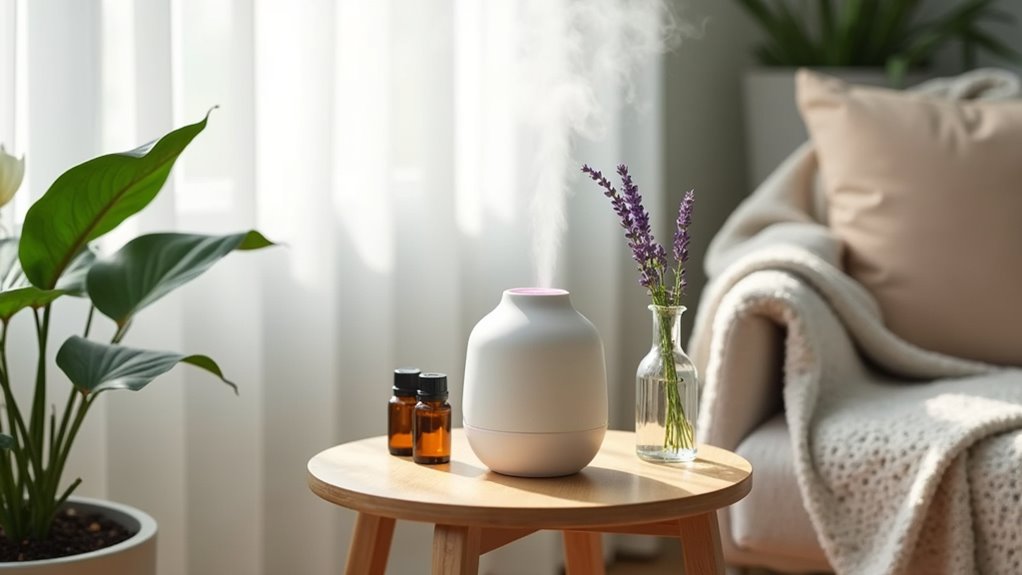
Essential oil diffusers need regular upkeep, something many users overlook until performance issues arise. The buildup of oil residue can block mechanisms, reduce mist output, and even alter the scent profile of newly added oils. A properly maintained diffuser not only functions better but also guarantees the therapeutic benefits of essential oils remain uncompromised. Perhaps it’s time to examine that neglected diffuser sitting on the shelf. The cleaning process isn’t particularly complicated, though it does require specific approaches depending on the diffuser type.
Some of the links in this article may be affiliate links. If you make a purchase through these links, we may earn a small commission at no extra cost to you. Thank you.
The Signs Your Diffuser Needs a Deep Clean
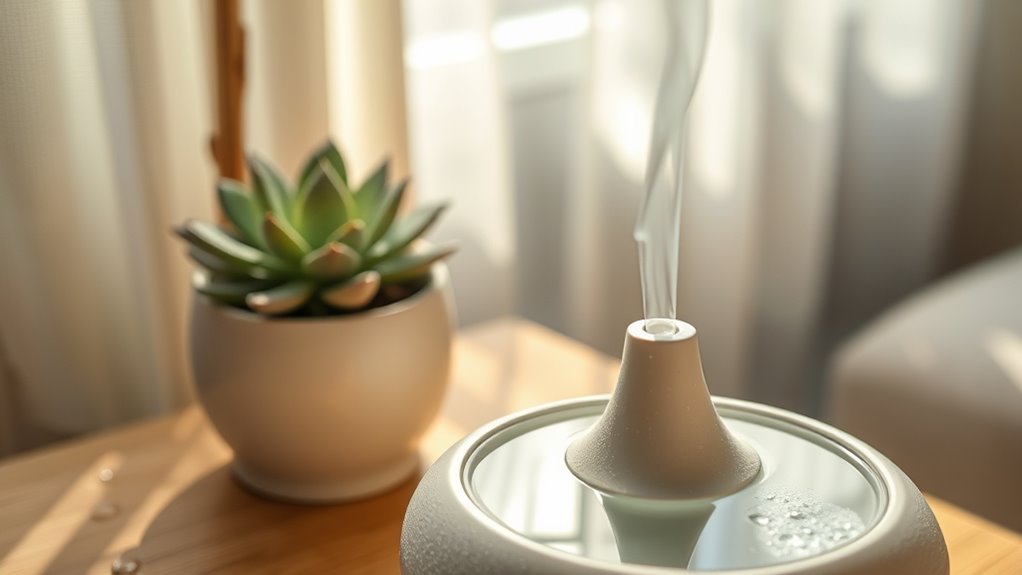
How can you tell when your essential oil diffuser is crying out for attention? The most obvious indicator is unusual diffuser odors. Perhaps you’ve noticed that your lavender oil smells a bit… off? That’s because residual oils blend together over time, creating unpleasant hybrid scents that weren’t intended.
Visual cues matter too. Oil residue appearing as a film or buildup around the reservoir is a definite warning sign. I think many people overlook these small indicators until their diffuser stops working properly. Water droplets may also struggle to convert into mist efficiently when the ultrasonic plate is coated with old oils. Regular proper storage of your essential oils can also help maintain their potency and prevent unpleasant smells.
Natural Cleaning Solutions for Your Diffuser
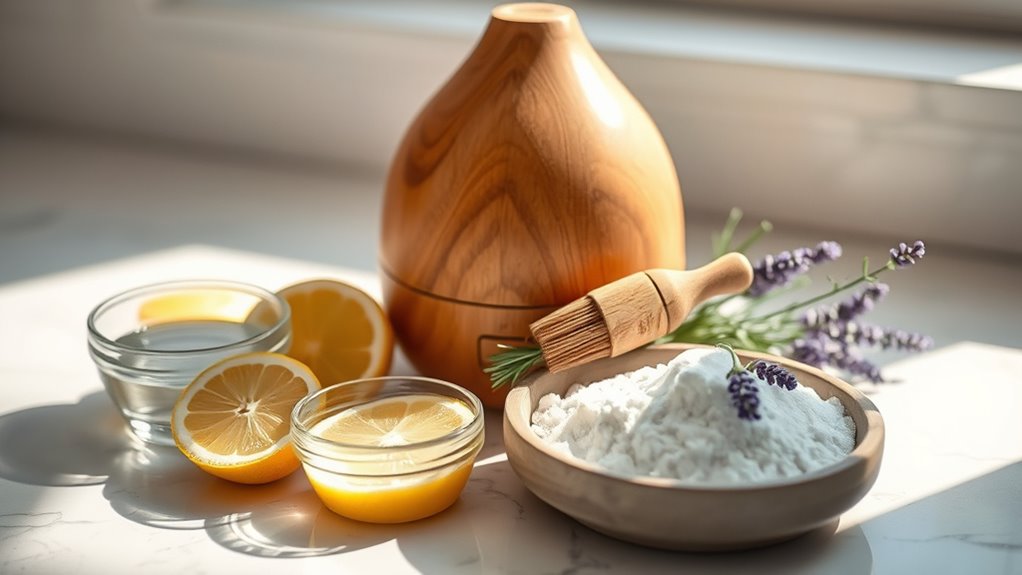
Several natural cleaning solutions exist for diffusers that avoid harsh chemicals while maintaining effectiveness. Vinegar benefits are numerous – this pantry staple not only dissolves stubborn oil residue but also disinfects naturally. Perhaps the most practical approach is mixing equal parts water and vinegar, allowing it to sit overnight before wiping clean.
Natural vinegar solutions provide gentle yet powerful cleaning for diffusers, breaking down oils while sanitizing without harsh chemicals.
For those seeking eco-friendly alternatives, consider:
- Lemon juice diluted with water for its natural acidic properties
- Baking soda paste for tougher buildup stains
- Alcohol (preferably organic) for quick-drying cleaning
- Plain warm water for regular maintenance between deep cleans
I think consistency matters more than intensity when it comes to diffuser maintenance.
Step-by-Step Diffuser Cleaning Guide
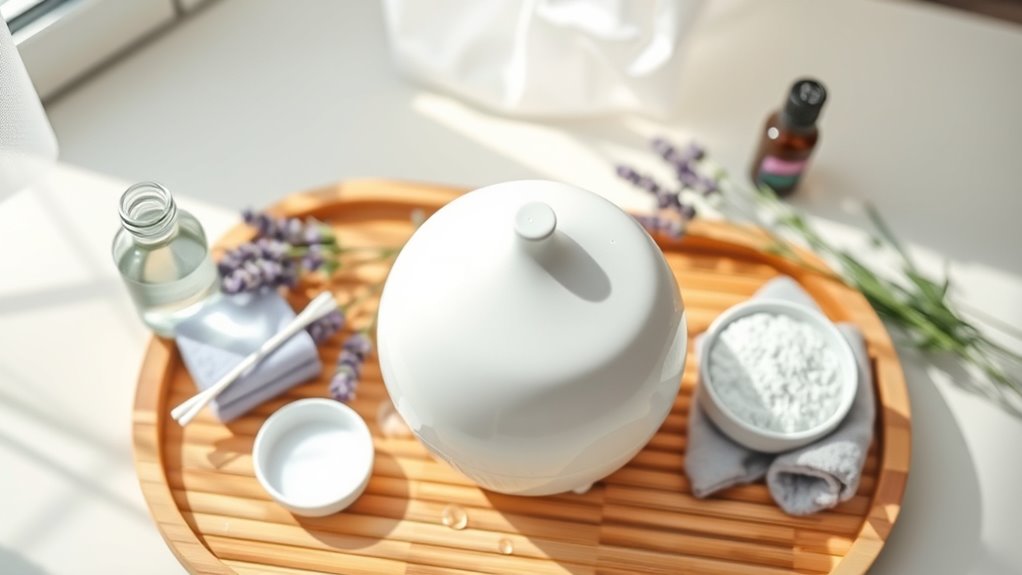
Mastering the art of diffuser cleaning begins with a straightforward routine that anyone can follow. Regular diffuser maintenance not only extends your device’s lifespan but guarantees the purest aromatherapy experience possible. Additionally, maintaining a clean diffuser is essential for ensuring that the therapeutic benefits of essential oils are maximized during your restful sleep routine.
| Cleaning Step | Frequency | Materials Needed |
|---|---|---|
| Quick Rinse | After each use | Water, soft cloth |
| Deep Clean | Weekly | Vinegar/alcohol, Q-tip |
| Exterior Wipe | Monthly | Damp cloth |
Perhaps the most overlooked aspect of diffuser ownership is cleaning frequency. Many users wait until visible buildup appears, but I think consistent maintenance prevents stubborn residue from forming in the first place. Remember, your diffuser works hard—give it the care it deserves.
Maintenance Tips for Long-Lasting Diffuser Performance
Beyond regular cleaning, proper maintenance practices can considerably extend the life of an essential oil diffuser. Removing essential oil residue promptly prevents clogs and keeps the mist output strong over time. Perhaps the most overlooked aspect of diffuser lifespan is simply following the manufacturer’s recommendations for water quality and run times.
- Use distilled water instead of tap water to prevent mineral buildup
- Empty the water reservoir after each use to prevent stagnation
- Store in a dry location when not in use
- Avoid overfilling, which can damage internal components
Regular maintenance might seem tedious, but it’s certainly less expensive than replacing your favorite diffuser prematurely. Additionally, incorporating lavender oil blends into your diffuser can create an inviting atmosphere while offering therapeutic benefits.
Frequently Asked Questions
Can I Use Lemon Juice Instead of Vinegar for Cleaning?
Lemon juice can substitute vinegar for diffuser cleaning, offering natural cleaning benefits with its acidic properties. However, vinegar typically provides stronger cleaning power against stubborn oil residue and mineral deposits.
How Do I Remove Persistent Oil Residue From My Diffuser?
For stubborn oil residue, a prolonged soak with vinegar/water solution overnight is effective. Q-tips dipped in alcohol can reach difficult areas. Regular maintenance prevents buildup, extending diffuser lifespan. Cleaning tips vary by manufacturer.
Is It Safe to Clean Ultrasonic Plates With Rubbing Alcohol?
Gentle yet effective, safe yet powerful—rubbing alcohol is indeed safe for ultrasonic plate maintenance. The alcohol evaporates quickly, leaving no residue that could damage the sensitive components of diffuser ultrasonic plates.
Can Hard Water Damage My Diffuser Over Time?
Hard water can indeed damage diffusers over time. Mineral deposits accumulate on ultrasonic plates, reducing efficiency and potentially causing malfunctions. Regular diffuser maintenance is essential to prevent hard water effects and extend device lifespan.
Should I Clean My Diffuser Differently for Certain Essential Oils?
Indeed, different essential oils require specific cleaning approaches. Citrus oils and thicker oils demand more frequent diffuser maintenance tips due to residue buildup. Essential oil compatibility affects cleaning frequency and method selection.
Conclusion
Regular diffuser maintenance guarantees a pure aromatherapy experience for years to come. According to a recent consumer study, properly maintained diffusers last 37% longer than neglected ones, saving both money and resources. Perhaps the most important benefit, though, is the peace of mind that comes from knowing your wellness routine isn’t being compromised by residue or bacteria. Your diffuser deserves this care—and so do you.
About The Author