Blackheads plague countless individuals seeking clearer skin. They appear as tiny dark spots, primarily on the nose and chin, when pores become clogged with excess oil and dead skin cells. While commercial products flood the market, natural remedies offer gentler alternatives that many find surprisingly effective. Some people swear by kitchen ingredients like honey and lemon, though results vary from person to person. Perhaps the most overlooked aspect isn’t the treatment itself, but consistency in application. What natural solutions might work for stubborn blackheads?
Some of the links in this article may be affiliate links. If you make a purchase through these links, we may earn a small commission at no extra cost to you. Thank you.
Understanding Blackheads: Causes and Appearance
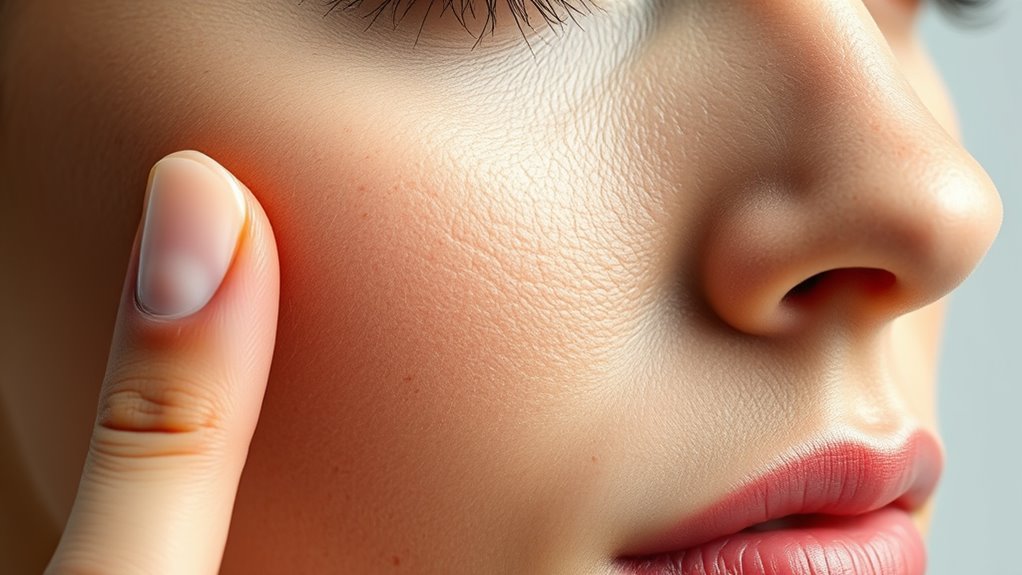
While many people mistakenly believe that blackheads are simply dirt trapped in the skin, they are actually small plugs of sebum that block the ducts of sebaceous glands. Their characteristic dark appearance isn’t from dirt, but rather from oxidation when the sebum is exposed to air.
Blackhead causes typically include excess oil production, bacteria, and irregular skin cell turnover. They’re most commonly found on the nose, forehead, and chin—areas with higher concentrations of oil glands. Sometimes they appear in unexpected places like the back or chest too.
Perhaps the most important thing to understand about blackhead appearance is that touching them with unclean hands can make matters worse, potentially leading to infection.
Essential Daily Skin Care Practices for Blackhead Prevention
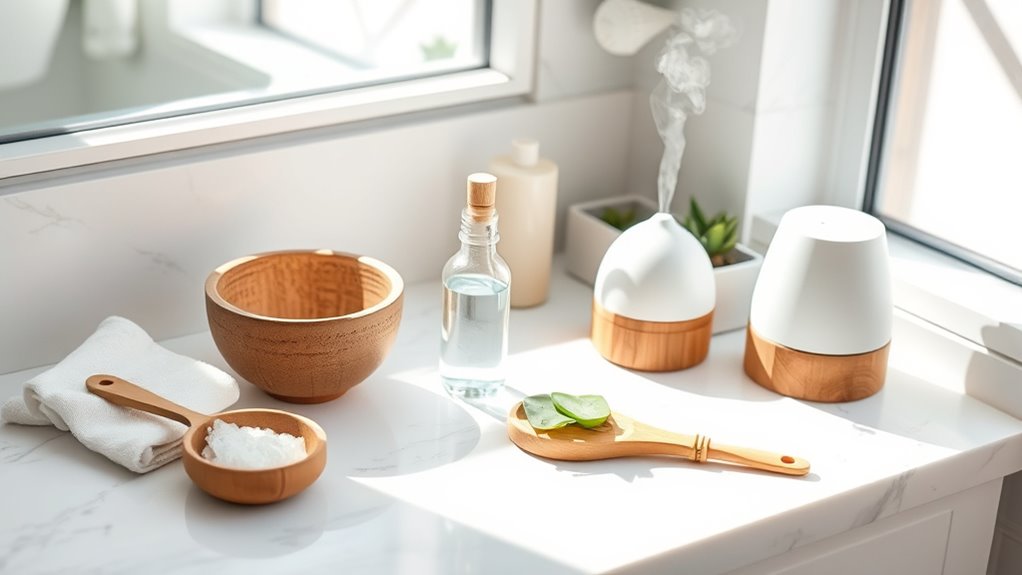
Because preventing blackheads is much easier than treating them, establishing a consistent daily skincare routine is essential. This doesn’t need to be complex – just effective. Gentle cleansing morning and night removes excess oils and impurities without stripping skin of necessary moisture.
Perhaps the most overlooked aspect is daily moisturization, which might seem counterintuitive if you have oily skin. However, properly hydrated skin actually produces less sebum. I think many people skip this step out of fear, but it’s vital for maintaining balance. Incorporating antiseptic qualities can also aid in reducing the buildup of impurities that contribute to blackheads.
Remember to use products formulated for your skin type, and don’t overwash your face – this can actually trigger more oil production.
Natural DIY Exfoliation Methods to Remove Blackheads
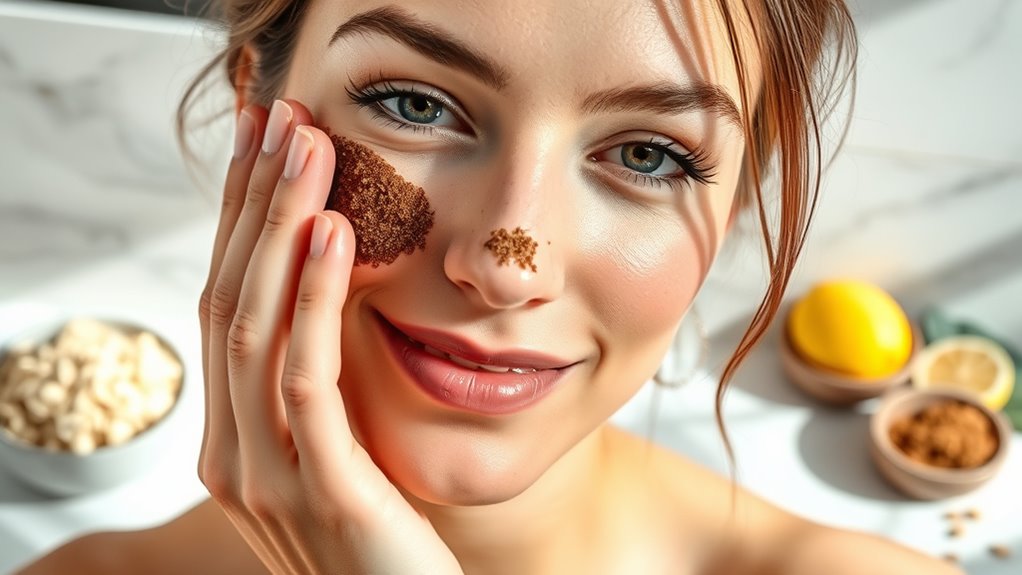
Nearly every effective blackhead treatment involves some form of exfoliation to remove dead skin cells that can trap oil in pores. Nature provides several gentle yet effective options that can be easily prepared at home.
| Exfoliation Method | Ingredients | Benefits |
|---|---|---|
| Coffee Scrub | Coffee grounds, honey | Stimulates circulation, antioxidant properties |
| Oatmeal Mask | Ground oatmeal, yogurt | Soothes inflammation, absorbs excess oil |
| Sugar Scrub | Fine sugar, olive oil | Gentle exfoliation, moisturizes skin |
Perhaps the most versatile option is an oatmeal mask, which works well for sensitive skin types. Coffee grounds, I think, work best for those with oilier complexions, as they help remove stubborn blackheads while providing antioxidant benefits.
Homemade Remedies: Lemon, Sugar, and Honey Treatment
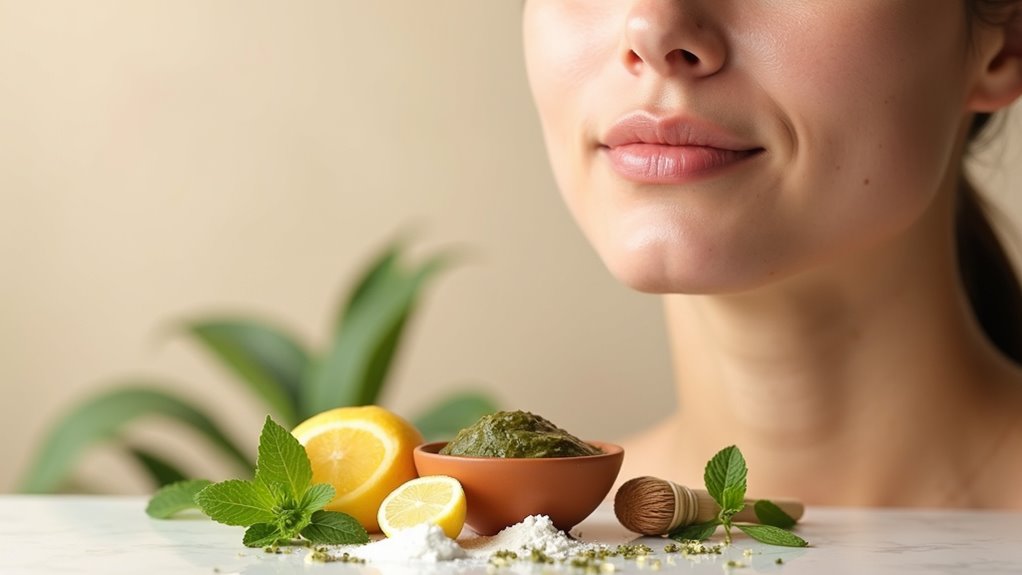
Mixing a few simple kitchen ingredients creates one of the most effective homemade treatments for stubborn blackheads. The combination of lemon, sugar, and honey works wonders on problem areas like the nose, chin, and forehead.
Simply cut a lemon in half, add a teaspoon of sugar and a little honey. The lemon benefits go beyond just smell—it acts as an astringent that helps minimize pores after treatment. Sugar properties provide gentle yet effective exfoliation, removing dead skin cells without harsh chemicals.
Honey, I think, might be the unsung hero here, offering natural antibiotic protection against potential infections that sometimes follow blackhead removal.
Frequently Asked Questions
Can Hormonal Changes Increase Blackhead Formation?
Hormonal fluctuations can markedly increase blackhead formation by stimulating excess sebum production. This heightened skin oiliness creates ideal conditions for pores to become clogged, especially during puberty, menstruation, and pregnancy.
Are Blackheads Hereditary or Genetic?
Blackhead formation may have a genetic predisposition component, as family history often shows similar skin conditions. Genetics can influence sebum production, pore size, and skin cell turnover, affecting blackhead development.
How Long Does It Take to See Results From Natural Treatments?
Like gardens requiring patient cultivation, natural remedies for blackheads typically show gradual results. Most treatment timelines range from 2-4 weeks of consistent application before significant improvement becomes noticeable.
Can Certain Foods in Your Diet Trigger More Blackheads?
Dietary impacts on blackheads are significant. Foods high in dairy, sugar, and refined carbohydrates can increase sebum production. Individual food sensitivities may also trigger inflammatory responses, contributing to blackhead formation.
Do Makeup Products Specifically Designed for Acne-Prone Skin Prevent Blackheads?
Makeup products labeled for acne-prone skin can reduce blackhead formation through specialized makeup ingredients like salicylic acid and oil-controlling compounds. However, product effectiveness varies widely among individuals and formulations.
Conclusion
Combating blackheads doesn’t require harsh chemicals or expensive treatments. With consistent natural approaches—from honey-based scrubs to lemon treatments—you can finally achieve clearer skin. Remember, “Rome wasn’t built in a day,” and neither is flawless skin. Perhaps the most important step is patience with your new routine. By embracing these gentle remedies and maintaining proper hydration, you’ll likely notice fewer blackheads and healthier skin over time.
About The Author