[ad_1]
Some of the links in this article may be affiliate links. If you make a purchase through these links, we may earn a small commission at no extra cost to you. Thank you.
Node Smith, ND
From Wiley
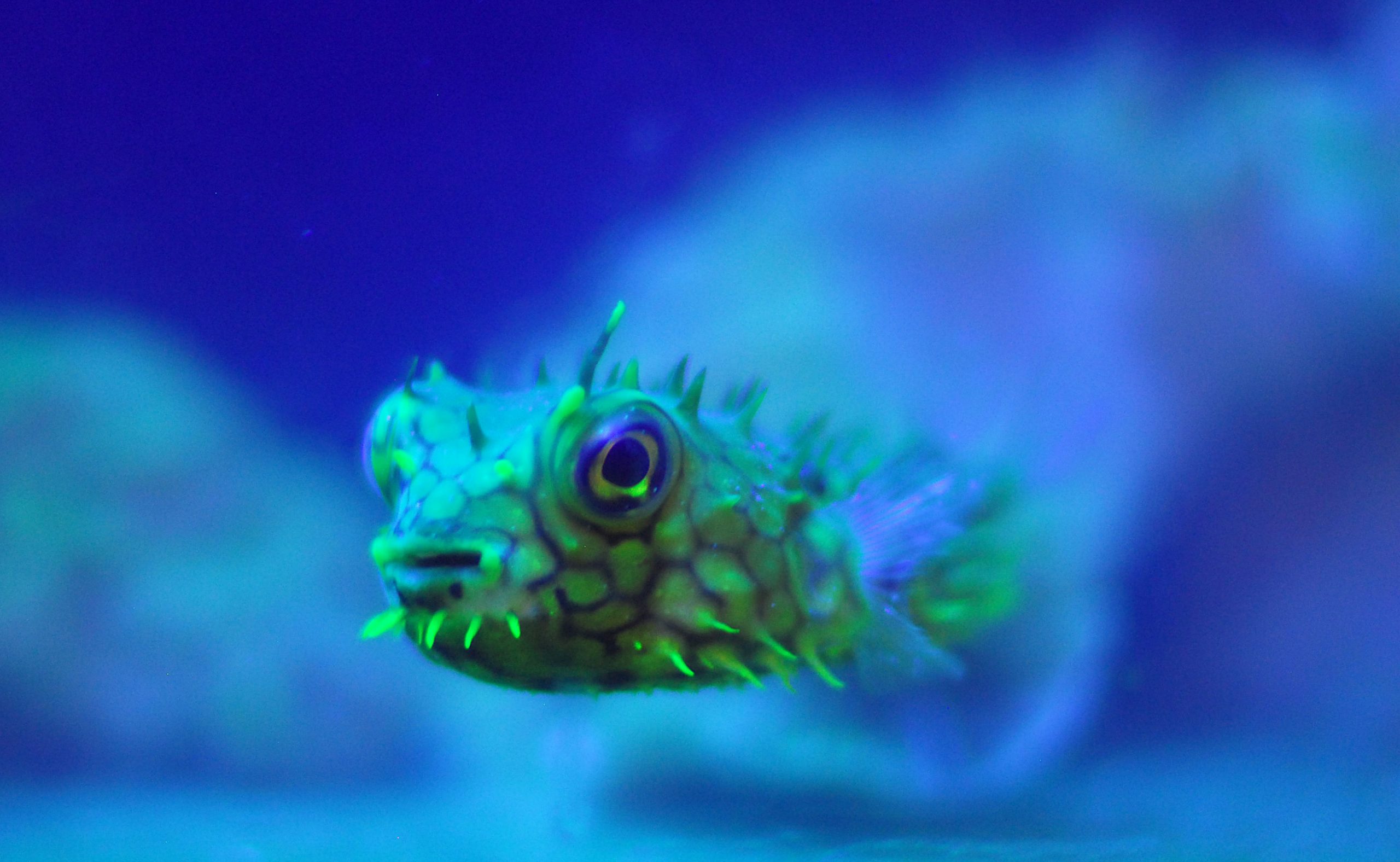
In Japan, puffer fish is considered a delicacy, but the tickle to the taste buds comes with a tickle to the nerves: fugu contains tetrodotoxin, a strong nerve toxin. In low doses, tetrodotoxin is shown in clinical trials to be a replacement for opioids for relieving cancer related pain. In the journal Angewandte Chemie, scientists have introduced a new route for the total synthesis (complete production of a natural product from current materials) of tetrodotoxin.
Eating fugu initially elicits a light prickling in the mouth, which can have a relaxing or euphoric effect — assuming the cook knows what he or she is doing. If the fish is incorrectly prepared, things can end badly: Tetrodotoxin blocks the voltage-gated sodium channels, and thus nerve impulses. This may result in paralysis and even difficulty breathing. In the EU, the importation and preparation of fugu as food is forbidden. In Japan and other countries, a number of strict laws regulate the preparation and consumption of puffer fish products. However, there are occasional deaths.
Tetrodotoxin is a known pain-reliever and could be used to treat severe pain
In very low
doses, tetrodotoxin is a pain-reliever and could be used to treat severe pain,
such as in the treatment of cancer. Early clinical studies are underway. It is
thus important to develop a simple, reliable synthetic method to provide access
to tetrodotoxin and structurally related compounds — for research and
eventually robust and inexpensive production.
Tetrodotoxin has
a unique, highly complex, cage-like structure (a tricyclic orthoester) as well
as a cyclic guanidine component. Guanidine is an important component of many
biological molecules, including arginine. The tetrodotoxin framework is highly
oxidized and has five hydroxy groups (-OH) as substituents. A number of
different total syntheses of tetrodotoxin have previously been published,
including one from researchers led by Satoshi Yokoshima at the Nagoya
University (Japan) in 2017. Now Yokoshima and his team have introduced another,
novel total synthesis.
Key step: Diels-Alder
reaction between a known starting compound and a silicon-containing component )
to make a tricyclic intermediate
The key step is a
Diels-Alder reaction between a known starting compound (an enone) and a
silicon-containing component (a siloxyldiene) to make a tricyclic intermediate
with the right spatial (steric) arrangement to allow for proper attachment of
the hydroxy groups and later, construction of the “cage.” Formation
of the guanidine component begins with introduction of an amino group — either
by a conventional four-step method or a three-step reaction sequence based on a
newly developed conversion of a terminal alkyne to a nitrile. Finally, the
“bridges” needed for formation of the cage are built up over several
steps. A cross-coupling reaction was used for introducing a carbon substituent
(hydroxymethyl group) on the cage. Employing other components for the cross
coupling reaction might lead to producing structurally related molecules.
1.
Keigo Murakami, Tatsuya Toma, Tohru Fukuyama, Satoshi Yokoshima. Total
Synthesis of Tetrodotoxin. Angewandte Chemie International Edition, 2020; DOI: 10.1002/anie.201916611

Node Smith, ND, is a naturopathic physician in Humboldt, Saskatchewan and associate editor and continuing education director for NDNR. His mission is serving relationships that support the process of transformation, and that ultimately lead to healthier people, businesses and communities. His primary therapeutic tools include counselling, homeopathy, diet and the use of cold water combined with exercise. Node considers health to be a reflection of the relationships a person or a business has with themselves, with God and with those around them. In order to cure disease and to heal, these relationships must be specifically considered. Node has worked intimately with many groups and organizations within the naturopathic profession, and helped found the non-profit, Association for Naturopathic Revitalization (ANR), which works to promote and facilitate experiential education in vitalism.
[ad_2]
Source link
About The Author