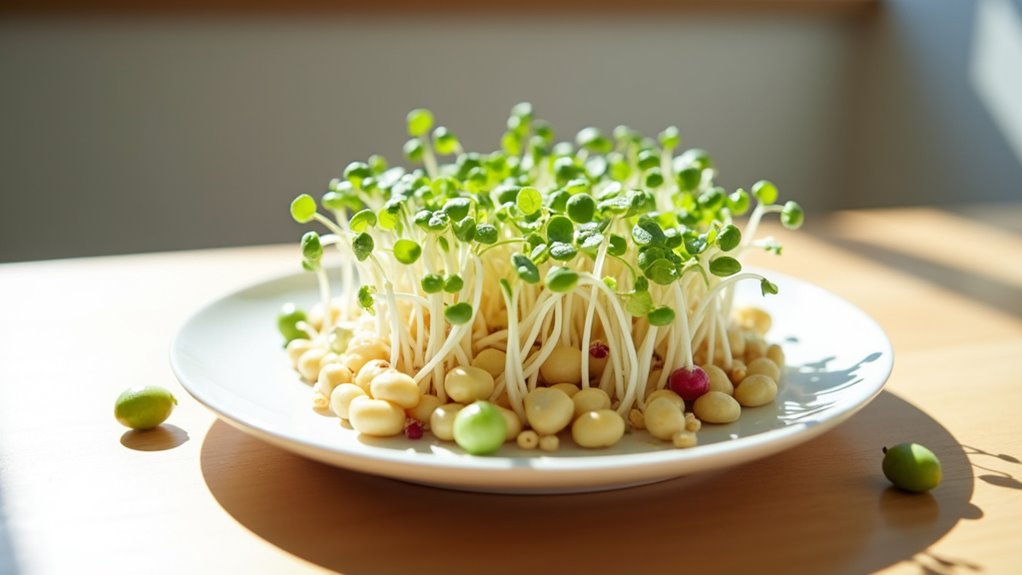
Sprouts represent nature’s untapped medicinal arsenal. Their germinated seeds contain concentrated nutrients—protein, enzymes, and vitamins—at levels unmatched by most conventional foods. Science confirms their role in digestive optimization, cellular repair, and improved circulation. Modern nutritionists classify them as functional foods with bioactive compounds that work at molecular levels. The nutrition-to-calorie ratio defies conventional mathematics. Yet most Americans continue consuming nutrient-barren alternatives while this simple solution remains hiding in plain sight.
Some of the links in this article may be affiliate links. If you make a purchase through these links, we may earn a small commission at no extra cost to you. Thank you.
Why Sprouts Are Nutritional Powerhouses
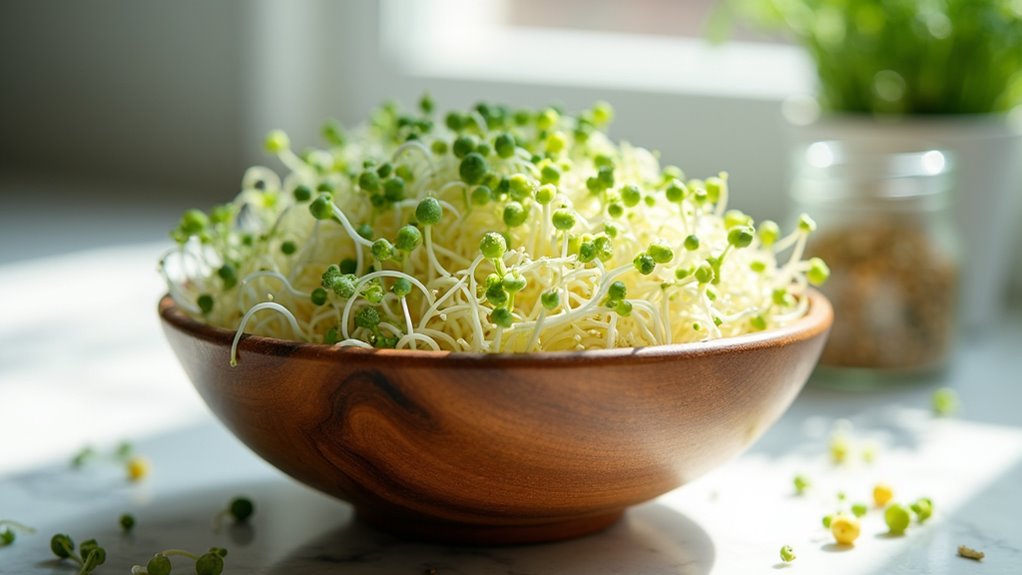
Nutritional density—that’s what we’re talking about with sprouts. These tiny powerhouses pack more punch per gram than most foods in your kitchen. Protein? Abundant. Vitamins? Concentrated. All this in a low-calorie package that your body can actually use.
The nutrient density of sprouts translates directly to immune support. They deliver essential compounds that fortify your body’s defense systems against pathogens. Think of them as microscopic pharmacies—producing enzymes, antioxidants, and vitamins that fight inflammation and cellular damage.
Want better bone health? Eat sprouts. Need organ repair? Sprouts help there too.
How Sprouts Support Digestive Health and Weight Management
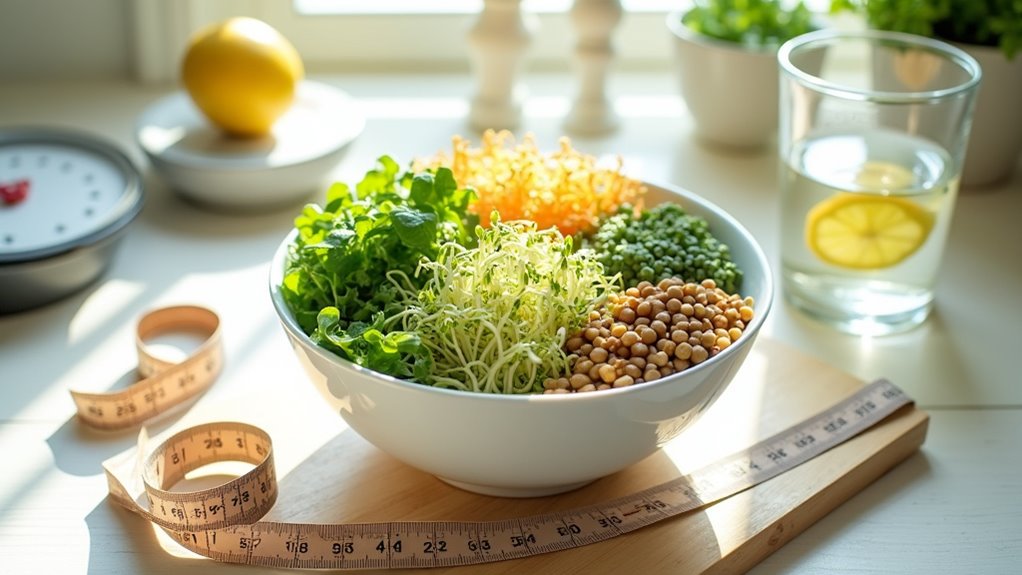
Chew on this: digestive health often determines overall wellness, and sprouts deliver exceptional support in this domain. Packed with enzymes, these living foods catalyze digestion and enhance nutrient absorption. The fiber content stimulates gastric juices while promoting fermentation benefits that nourish gut microbiome diversity.
Weight management? Sprouts excel there too. At minimal calories, they deliver maximum nutritional punch. Their fiber creates satiety, curbing between-meal grazing. Hunger pangs disappear while essential vitamins flood the system.
Think of sprouts as digestive system mechanics – they tune the engine while reducing the fuel consumption. Efficient. Effective. Essential.
The Connection Between Sprouts and Enhanced Blood Circulation
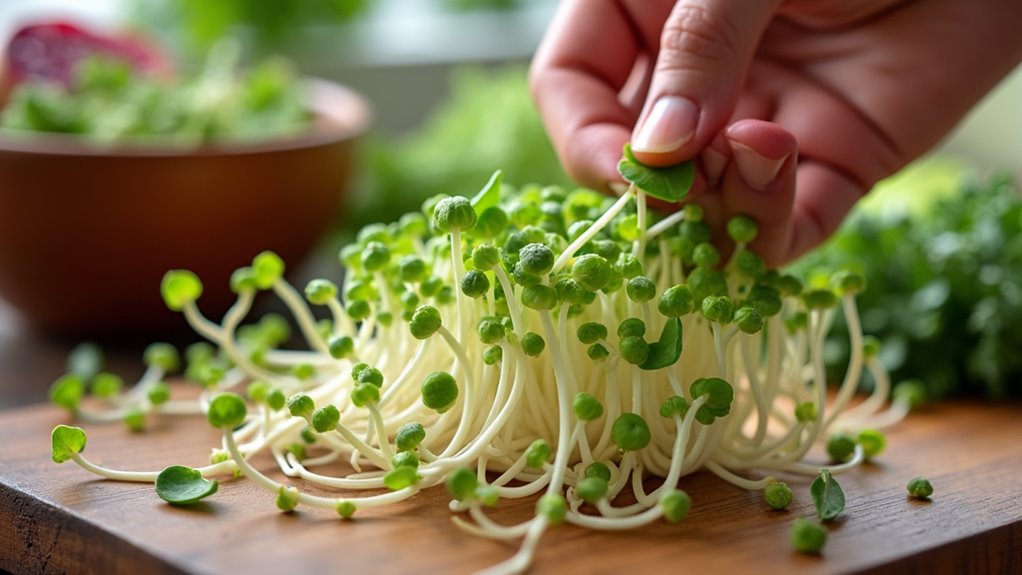
Two critical minerals in sprouts – iron and copper – revolutionize blood circulation throughout the body. These powerhouses optimize oxygen delivery to cells, enhancing organ performance and preventing anemia. Regular consumption triggers measurable circulatory benefits within weeks.
| Mineral | Function | Blood Impact |
|---|---|---|
| Iron | Hemoglobin production | Increased oxygen carrying capacity |
| Copper | Red blood cell maturation | Enhanced blood vessel integrity |
| Magnesium | Vessel dilation | Improved blood pressure |
| Vitamin K | Clotting regulation | Balanced circulation |
The blood oxygenation improvements from sprouts aren’t theoretical—they’re biochemically guaranteed. Deficient circulation? Eat sprouts daily. Your cells are desperate for what they deliver.
Frequently Asked Questions
Which Sprouting Method Preserves the Most Nutrients?
Cold-water sprouting techniques generally offer maximum nutrient retention, as they minimize exposure to heat that can degrade sensitive vitamins. Light sprouting with proper air circulation further enhances nutritional preservation.
Can Children and Elderly People Safely Consume All Sprout Varieties?
Not all sprouts are suitable for vulnerable populations. Sprout safety requires proper handling, with age considerations suggesting children and elderly consume only thoroughly cooked sprouts to minimize foodborne illness risks.
How Long Do Sprouted Foods Maintain Their Nutritional Benefits?
The super-charged nutritional powerhouse of sprouts diminishes within 5-7 days after sprouting. Proper sprout storage in refrigerators slows nutrient degradation, though vitamins and enzymes gradually decrease after harvesting.
Are There Any Medications That May Interact With Sprouts?
Some medications, particularly blood thinners, may interact with sprouts. High vitamin K content can affect medication efficacy, while sprouts’ enzymes may alter nutrient absorption of certain drugs. Consult healthcare providers.
Can Sprouts Help Address Specific Vitamin Deficiencies?
Sprouts can effectively address multiple vitamin deficiencies as they’re concentrated vitamin sources. Their nutritional profile includes vitamins A, B, C, E, and K, making sprout benefits particularly valuable for supplementing specific nutritional gaps.
Conclusion
Sprouts function like miniature nutritional factories, continuously converting stored nutrients into their most bioavailable forms. Incorporating these living foods into daily meals delivers exponential health returns with minimal effort. Their unique enzyme profile supports digestion, their nutrient density promotes circulatory health, and their metabolic properties assist weight management. The evidence is clear: regular consumption of sprouts creates a foundation for optimized physiological function and sustained wellness.
About The Author