Cajeput essential oil remains criminally underutilized in Western wellness practices. Extracted from Melaleuca leucadendron, this potent botanical weapon delivers respiratory relief, microbial defense, and dermatological repair without pharmaceutical intervention. Its historical significance spans centuries across Southeast Asian medicine. The oil’s pungent, medicinal aroma signals its powerful therapeutic properties. Most consumers mistakenly reach for tea tree when cajeput often provides superior results for respiratory conditions, pain management, and household applications.
Some of the links in this article may be affiliate links. If you make a purchase through these links, we may earn a small commission at no extra cost to you. Thank you.
The Ancient Origins and Modern Uses of Cajeput Oil
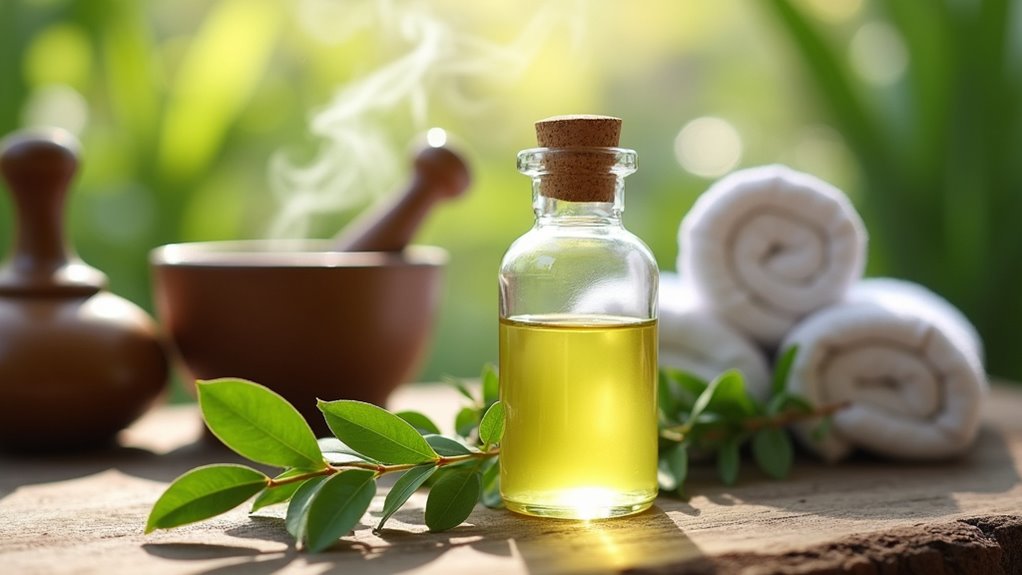
Though its popularity has surged in recent years, cajeput oil boasts a rich history dating back centuries across Southeast Asia. Indigenous Malays and Vietnamese first extracted this potent oil from Melaleuca leucadendron trees, using primitive distillation methods that preserved its therapeutic integrity.
In ancient traditions, cajeput served dual roles—medicinal remedy and spiritual protector. Its cultural significance extended beyond healing; many communities incorporated the oil into cleansing rituals and purification ceremonies. Modern applications now span therapeutic massage, aromatherapy, and household cleaning products. The oil’s journey from sacred remedy to commercial staple reflects humanity’s enduring relationship with this powerful botanical resource.
Cajeput’s Impressive Therapeutic Benefits for Respiratory Health

When respiratory distress strikes, cajeput oil emerges as a formidable natural remedy with science-backed effectiveness. Its powerful expectorant properties break up congestion while the oil’s antimicrobial action fights respiratory infections at their source.
For maximum respiratory benefits, try these decongestion techniques: add 5-7 drops to steam inhalation for immediate sinus relief; massage diluted oil (1:4 ratio with carrier) onto chest and throat; or diffuse overnight during sleep to reduce inflammation.
Unlike synthetic alternatives, cajeput attacks both symptoms and causes simultaneously. Keep it handy during cold season—your lungs will thank you.
How Cajeput Essential Oil Supports Natural Immunity

Beyond its respiratory applications, cajeput essential oil functions as a powerful immunity ally against microbial threats. Its potent antibacterial, antiviral, and antifungal properties strengthen the body’s natural infection defense systems.
Beyond respiratory support, cajeput oil acts as nature’s shield—fortifying immunity with powerful antimicrobial properties that enhance the body’s defense mechanisms.
- Combat-ready protection – Fights influenza, typhoid, and cholera with antiseptic properties that activate immune response mechanisms
- First-aid warrior – Provides immediate protection against infections in cuts and wounds, even offering tetanus protection until medical care
- Systemic reinforcement – When properly diluted and administered, supports the body’s overall resistance to pathogens while reducing inflammatory responses
Skin Health Revolution: Cajeput for Dermatological Conditions
Cajeput essential oil transforms troubled skin conditions through targeted antimicrobial action. Its potent fungicidal properties effectively combat psoriasis, scabies, and other persistent dermatological issues. Dilution is non-negotiable—mix with carrier oils before application.
For ideal skin rejuvenation, apply cajeput preparations directly to affected areas twice daily. Results appear within days, not weeks. The oil’s natural antiseptic qualities simultaneously heal existing damage while preventing secondary infections.
Cajeput applications extend beyond treatment to prevention. Regular use creates a protective barrier against environmental aggressors. Remember: consistent application yields cumulative benefits. Sensitive skin? Start with higher dilution ratios—effectiveness remains intact.
Pain Management and Muscular Relief With Cajeput Oil
The dual-action analgesic properties of cajeput oil transform everyday pain management. When applied topically, this potent essential oil delivers immediate relief to targeted areas while promoting deeper muscle relaxation through its warming effect.
- Provides rapid pain relief for headaches when applied to the forehead
- Alleviates arthritis, back pain, and sciatica through localized application
- Treats muscle cramps effectively when combined with lavender oil and Epsom salt
Cajeput’s natural analgesic compounds penetrate tissue quickly, making it particularly effective for acute muscular discomfort. For chronic conditions, regular application establishes a maintenance regimen that reduces reliance on conventional painkillers.
Natural Home Solutions: From Pest Control to Wellness With Cajeput
Throughout modern homes, cajeput oil emerges as a multi-functional powerhouse that addresses common household challenges without harsh chemicals. Its insect-repelling properties make it invaluable during summer months—simply dilute with carrier oil or water and spray around entry points or apply to skin.
Beyond pest control, cajeput applications extend to wellness routines. Diffuse it to purify air and elevate mood simultaneously. For household first aid, keep it accessible for minor cuts, burns, and scrapes. When fever strikes, its cooling properties provide relief through application via dampened cloth.
These natural remedies transform everyday cajeput into an essential home resource. Stock up.
Frequently Asked Questions
Is Cajeput Oil Safe During Pregnancy?
Cajeput oil’s pregnancy safety remains undefined in the provided information. While it offers numerous benefits, pregnant women should consult healthcare providers before using any essential oils due to potential risks.
How Does Cajeput Oil Compare to Tea Tree Oil?
A mountain of similarities exists between these cousins. Both cajeput benefits and tea tree properties include antimicrobial and skin healing effects, though cajeput offers superior congestion relief while tea tree excels at treating acne.
Can Cajeput Oil Be Ingested Safely?
Cajeput oil should not be ingested as it’s not generally considered safe for internal consumption, despite potential health benefits. Safe usage of Cajeput oil is primarily limited to topical applications and aromatherapy.
What Are the Potential Side Effects of Cajeput Oil?
Cajeput oil may cause skin irritation, allergic reactions, and respiratory issues in sensitive individuals. Those with cajeput oil allergies should avoid use. Asthmatic patients should exercise caution due to potential trigger risks.
How Should Cajeput Oil Be Stored for Maximum Potency?
Proper storage methods for cajeput oil include keeping it in dark glass bottles, away from heat and sunlight, tightly sealed, and at room temperature to maintain oil potency for best effectiveness.
Conclusion
Cajeput essential oil emerges as nature’s Swiss Army knife for modern wellness seekers. From respiratory relief to immune support, skin treatments to pain management, this potent extract delivers pharmaceutical-grade results without synthetic baggage. Its antimicrobial properties function like a microscopic SWAT team, eliminating threats efficiently. Don’t relegate this powerhouse to historical footnotes—integrate it into daily routines and experience the transformative benefits of this ancient remedy’s multifaceted healing potential.
About The Author