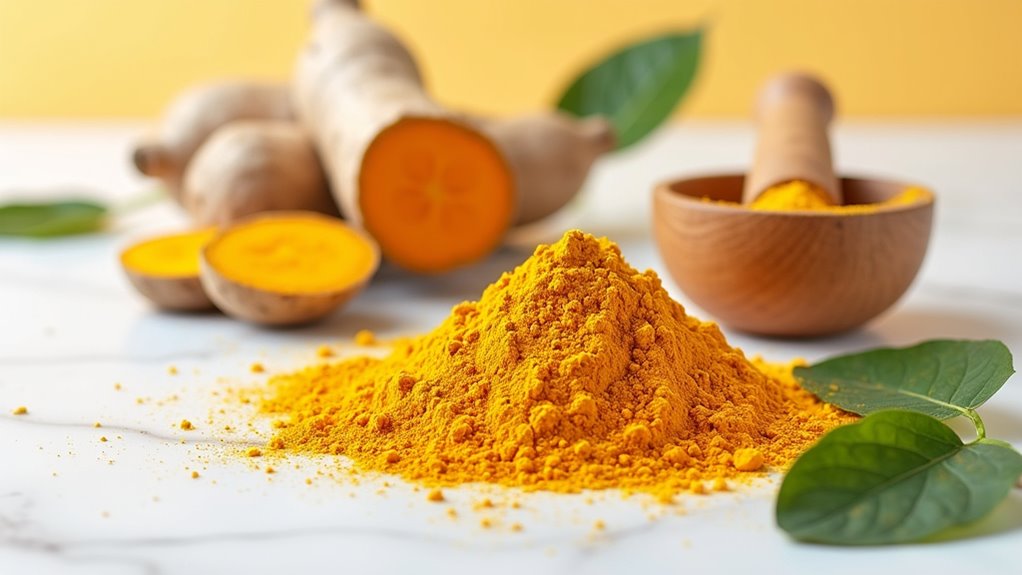
Turmeric stands as nature’s pharmacological powerhouse. Curcumin, its active compound, delivers anti-inflammatory benefits rivaling prescription drugs—without the side effects. Studies confirm its selective toxicity to cancer cells while sparing healthy tissue. It brightens teeth, clears skin, and battles depression with efficiency comparable to Prozac. Most supplements fail due to poor absorption. The golden spice deserves skepticism, yet the evidence mounts. Clinical applications now extend beyond traditional use. What modern medicine overlooks might be hiding in plain sight.
Some of the links in this article may be affiliate links. If you make a purchase through these links, we may earn a small commission at no extra cost to you. Thank you.
The Science Behind Turmeric’s Anti-Inflammatory Properties

Countless studies confirm that turmeric’s healing power stems from curcumin, the golden compound responsible for its signature color and potent anti-inflammatory effects. This remarkable molecule targets multiple inflammatory pathways simultaneously, blocking pro-inflammatory proteins at their source.
Curcumin bioavailability presents the main challenge – your body absorbs less than 5% without help. Solution? Black pepper. Its piperine compound boosts absorption by a staggering 2,000%. The anti-inflammatory mechanisms work by inhibiting cyclooxygenase and lipoxygenase enzymes – the same targets as pharmaceutical drugs, without their side effects.
Turmeric’s Promising Role in Cancer Prevention and Treatment

Emerging research confirms curcumin’s remarkable ability to target cancer cells while sparing healthy tissue—a distinction that eludes many conventional treatments. This selective toxicity makes curcumin therapy particularly valuable in oncology.
Studies demonstrate curcumin effectively triggers apoptosis in multiple cancer types—prostate, ovarian, and bladder among them. Its mechanism of tumor inhibition operates through multiple cellular pathways simultaneously.
Pharmaceutical researchers now view curcumin as a serious candidate for drug development. The compound’s ability to supplement existing treatments without adding significant side effects positions it uniquely in the therapeutic landscape—offering cancer patients a powerful ally in their healing journey.
Natural Beauty Solutions: Turmeric for Skin and Teeth

Turmeric’s benefits extend far beyond the medicine cabinet and into your beauty routine. This golden spice transforms ordinary skincare into powerful healing rituals. DIY turmeric face masks—typically blending turmeric with yogurt or honey—combat acne, reduce scars, and deliver that coveted natural glow without chemical additives.
Don’t let its vibrant color fool you—turmeric excels at natural teeth whitening. Simply brush with turmeric paste before your regular toothpaste. No permanent staining occurs (counterintuitive, yes). Studies confirm it improves overall oral health while brightening your smile. Nature’s solution beats commercial whiteners—cheaper, safer, effective.
Mental Wellness: How Turmeric May Help Combat Depression
Beyond physical beauty, turmeric offers remarkable benefits for mental health—particularly in treating depression. Research comparing Prozac with curcumin revealed striking similarities in effectiveness, with the combination showing slightly better results.
Unlike pharmaceutical options, turmeric benefits mental wellness without severe side effects. Studies support curcumin as a viable complement to traditional depression treatments—not a replacement, but a powerful ally.
For those seeking mood enhancement through natural means, curcumin presents a compelling option. The science is clear: turmeric’s anti-inflammatory properties extend beyond physical healing into cognitive and emotional domains.
Frequently Asked Questions
Is Turmeric Safe During Pregnancy and Breastfeeding?
Research on turmeric benefits during pregnancy remains limited. While generally recognized as safe in food amounts, medicinal doses should be approached cautiously. Pregnant and breastfeeding women should consult healthcare providers regarding pregnancy safety.
How Much Turmeric Should I Consume Daily for Health Benefits?
Golden spice sprinkled on life’s canvas offers wellness. Most experts recommend a daily turmeric dosage of 500-2,000mg of curcumin, equivalent to 1-3 teaspoons of powdered turmeric for ideal health benefits.
Can Turmeric Interact Negatively With Certain Medications?
Turmeric interactions with medications can occur, particularly with blood thinners, diabetes drugs, and acid reducers. These medication effects may include increased bleeding risk or altered drug effectiveness.
Does Turmeric Help With Arthritis and Joint Pain Specifically?
Beyond the rumors, research reveals the truth: turmeric benefits those with arthritis through its powerful curcumin compound, which effectively reduces joint inflammation and associated pain by down-regulating inflammatory factors.
Are There Any Side Effects From Long-Term Turmeric Consumption?
Long-term turmeric consumption is generally safe, though high doses may cause digestive discomfort or interact with medications. Moderate dosage recommendations of 500-2000mg daily minimize potential side effects.
Conclusion
Turmeric stands as nature’s golden sentinel, guarding health from multiple fronts. Like a master key opening wellness doors, this ancient root delivers modern solutions—fighting inflammation, battling cancer cells, and lifting mental fog. Its golden touch transforms skin while brightening smiles. Embrace this sunshine-hued powerhouse daily. Nature rarely packages such all-encompassing healing in such an accessible form. Your body’s ancient wisdom recognizes what science confirms.
About The Author