Irritable Bowel Syndrome affects millions of people, yet many find relief outside of prescription medications. Natural approaches to managing IBS symptoms have gained traction in recent years, perhaps because they address both physical discomfort and emotional triggers. Dietary adjustments, essential oils, and specific herbal teas show promise for different symptom profiles. While not everyone responds to the same remedies, understanding these options offers a starting point for those seeking alternatives. The journey to digestive comfort often begins with identifying personal triggers.
Some of the links in this article may be affiliate links. If you make a purchase through these links, we may earn a small commission at no extra cost to you. Thank you.
Understanding the Root Causes of IBS

While researchers continue to unravel the mysteries of Irritable Bowel Syndrome (IBS), several root causes have been identified that contribute to this complex gastrointestinal condition.
Food sensitivities often play a significant role, with common culprits including wheat, dairy, and soy. These sensitivities can trigger inflammation and uncomfortable symptoms.
Common food triggers like wheat, dairy, and soy can unleash IBS symptoms through inflammatory reactions.
Bacterial overgrowth in the small intestine is another key factor. When harmful bacteria multiply excessively, they disrupt normal digestion.
Nutritional deficiencies, particularly zinc and magnesium, might also contribute to symptoms.
Perhaps most importantly, stress management is essential, as anxiety both causes and worsens IBS symptoms in many patients.
Dietary Changes That Soothe IBS Symptoms

Making the right dietary changes represents perhaps the most powerful natural approach for managing IBS symptoms. Many patients find significant relief by identifying and eliminating trigger foods while incorporating soothing alternatives. An elimination diet, though challenging, often yields the most personalized results.
| Foods to Avoid | Foods to Embrace |
|---|---|
| Wheat/Gluten | Cooked vegetables |
| Dairy products | Gentle fiber sources |
| Sugar | Fermented foods |
| Spicy items | Low-fat proteins |
| Greasy foods | Calming teas |
Introducing fermented foods like kimchi or kefir can help restore gut flora balance, while gentle fiber sources such as cooked carrots or zucchini provide bulk without irritation. Remember, individual responses vary, so patience with dietary experimentation is essential.
The Power of Essential Oils in Managing IBS

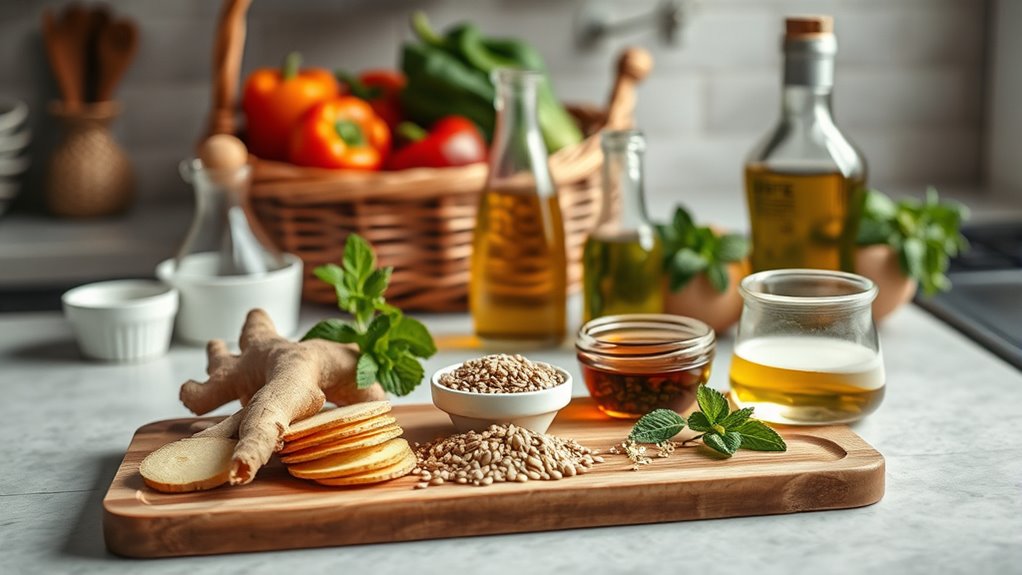
Several essential oils have emerged as powerful allies in the natural management of IBS symptoms. Ginger and peppermint oils often stand out for their calming properties, helping to soothe stomach discomfort and reduce stress that can trigger flare-ups.
Anise and fennel oils may provide similar benefits, particularly for bloating and cramping that many IBS sufferers experience regularly.
Frankincense, perhaps less known for digestive issues, has also shown promise in managing inflammation-related symptoms.
The essential oil benefits extend beyond just symptom relief – they can be incorporated into daily routines through diffusion, diluted topical application, or even as food-grade additions to teas in some cases.
Healing Teas to Calm Your Digestive System

For those struggling with the uncomfortable symptoms of IBS, a warm cup of tea can offer more than just comfort—it can provide genuine therapeutic relief. Herbal blends containing chamomile, fennel, and peppermint have shown particular promise in soothing irritated digestive tracts and reducing inflammation.
| Tea Type | Benefits | Recommended Usage |
|---|---|---|
| Chamomile | Reduces inflammation, calms spasms | 2-3 cups daily |
| Fennel | Alleviates bloating and gas | Morning and evening |
| Peppermint | Soothes abdominal tract | After meals |
Incorporating these teas into daily calming rituals, perhaps after meals or before bedtime, might help establish digestive regularity. I think consistency is key when using natural remedies for IBS management.
Frequently Asked Questions
Can Certain Exercises or Physical Activities Help Reduce IBS Symptoms?
Regular physical activity can alleviate IBS symptoms. Yoga benefits include stress reduction and improved digestion, while aerobic exercises help stimulate normal intestinal contractions and reduce bloating or constipation.
How Long Does It Typically Take to See Results From Natural Remedies?
In a 2019 clinical observation, patients reported varied response times. Herbal treatments typically show results within 2-4 weeks, while dietary adjustments may demonstrate improvements within 7-14 days, depending on individual health factors.
Are Probiotics Effective for Managing IBS?
Research suggests probiotics can be effective for IBS management. Different probiotic strains target specific symptoms, and dosage recommendations vary. Patients should consult healthcare providers to determine appropriate formulations for their condition.
Can Stress Management Techniques Specifically Target Ibs-Related Discomfort?
Like a gentle wave calming turbulent waters, stress management through mindfulness meditation and relaxation techniques can specifically target IBS-related discomfort by addressing the anxiety that both causes and worsens symptoms.
Do Vitamin Supplements Help With IBS Beyond Zinc and Magnesium?
Beyond zinc and magnesium, other vitamin supplements may benefit IBS sufferers, especially when dietary restrictions limit nutrient intake. Vitamin D and B-complex can support gut health and improve vitamin absorption compromised by IBS.
Conclusion
Like a garden that flourishes with proper care, the digestive system responds to gentle, natural interventions. The journey through IBS management resembles a winding river—sometimes turbulent, other times peaceful. Through mindful dietary choices, the healing touch of essential oils, and the wisdom of ancient herbal teas, sufferers find their unique path to balance. Perhaps the greatest medicine lies in this holistic approach, where body and mind find harmony together.
About The Author