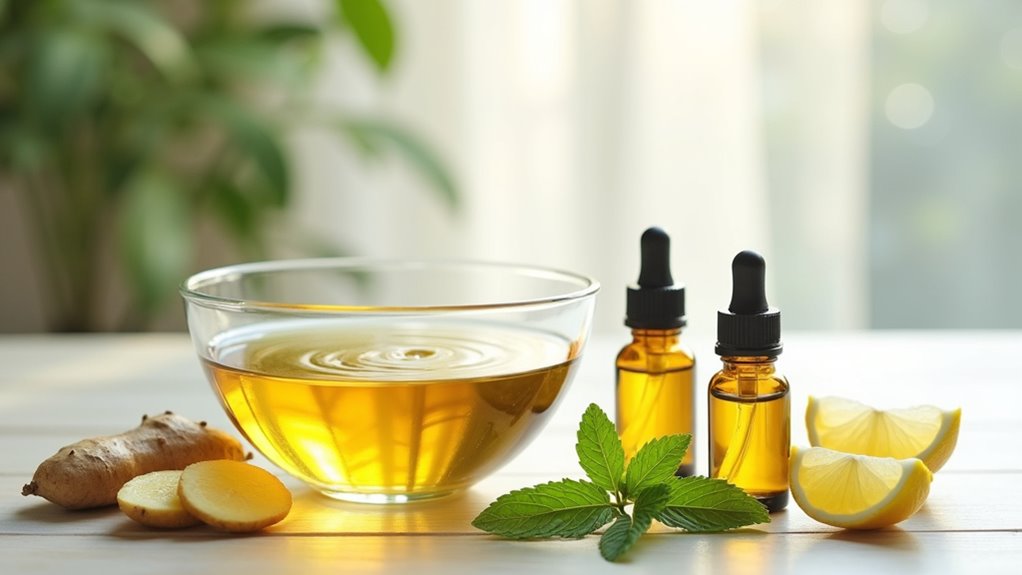
Essential oils offer a promising avenue for those seeking natural remedies for nausea. Many people find conventional medications somewhat effective but dislike their side effects. Peppermint, ginger, and lemon oils seem particularly helpful, though individual responses vary considerably. The science behind these natural alternatives isn’t always conclusive, yet numerous anecdotal reports suggest real benefits for managing nausea symptoms. Perhaps the most intriguing aspect is how these oils can be incorporated into daily life with minimal disruption.
Some of the links in this article may be affiliate links. If you make a purchase through these links, we may earn a small commission at no extra cost to you. Thank you.
Understanding Nausea and Its Common Triggers

While most people have experienced the uncomfortable sensation of nausea at some point in their lives, understanding what triggers it can be the first step toward finding relief. Nausea symptoms typically include that queasy feeling in your stomach, sometimes accompanied by the urge to vomit.
Common nausea triggers vary widely from person to person. Morning sickness affects many pregnant women, while others might suffer from motion sickness during travel. Migraines, certain medications, and chemotherapy are perhaps some of the more severe causes. I think identifying your specific triggers can make managing the symptoms much easier.
Top Essential Oils to Combat Nausea Symptoms

Essential oils have emerged as powerful allies in the fight against nausea. Among them, peppermint stands out for its remarkable benefits, providing quick relief by calming the stomach and reducing that queasy feeling many experience during motion sickness or morning sickness. Cardamom properties are equally impressive, though perhaps less well-known. This warming oil helps settle digestive discomfort while offering a pleasant, spicy aroma that can distract from nausea sensations. I think it works particularly well when combined with other oils. Additionally, tea tree oil’s antiseptic and anti-inflammatory properties offer a holistic approach to enhancing overall wellness, which may further support your body during times of nausea. Green mandarin and Roman chamomile round out the anti-nausea arsenal, creating an all-encompassing approach to natural symptom management.
DIY Essential Oil Recipes and Application Methods

Once you understand which oils work best for nausea, the next step involves creating practical applications for daily use. Perhaps the most convenient option is a diy inhaler recipe combining peppermint, green mandarin, and cardamom essential oils on a cotton tube for quick relief anywhere.
For those who prefer topical oil applications, a simple blend can be created using a 2-ounce bottle of aloe vera gel mixed with peppermint, green mandarin, cardamom, and Roman chamomile oils. I think this works well applied to the stomach area or behind the ears. Anise essential oil, known for its digestive support properties, can also be beneficial when included in blends for nausea relief.
Both methods offer portable solutions that can be prepared in advance for nausea emergencies.
Frequently Asked Questions
Can Essential Oils for Nausea Be Used During Pregnancy?
During pregnancy, essential oil safety considerations are paramount. Some oils may be unsafe while others can be used with proper oil application techniques under healthcare provider guidance.
How Quickly Do Essential Oils Typically Relieve Nausea Symptoms?
Like a gentle breeze on a hot day, fast acting oils can provide relief from nausea within minutes. Individual response times vary depending on specific nausea triggers and oil application methods.
Are There Any Drug Interactions With Nausea-Relieving Essential Oils?
Essential oils may interact with certain medications, affecting drug safety. Consulting healthcare providers about essential oil compatibility is recommended, especially for those taking blood thinners, diabetes medications, or anti-seizure drugs.
Can Children Safely Use Essential Oils for Nausea Relief?
Coincidentally, essential oil safety for children requires special consideration. Children need reduced dosage (typically 1/4 to 1/2 of adult amounts). Dilution is vital, and some oils remain unsafe regardless of concentration.
What Essential Oil Alternatives Work for Those Sensitive to Mint?
For mint-sensitive individuals, several alternatives provide nausea relief. Citrus oils like green mandarin offer invigorating properties, while ginger oil delivers powerful settling effects. Roman chamomile and cardamom are gentle yet effective options.
Conclusion
Essential oils stand like lighthouses in the stormy seas of nausea, offering natural harbors for those seeking relief. Their aromatic embrace—whether inhaled from a portable diffuser or gently massaged onto skin—provides a compass toward wellness. Perhaps most importantly, they remind us that nature’s pharmacy holds ancient wisdom we’ve nearly forgotten in our modern rush. The journey through discomfort often ends where it began: in the simple remedies that have always surrounded us.
About The Author