Essential oils have gained significant attention for their potential to transform how people manage pain. These concentrated plant extracts offer natural alternatives to traditional medications, though results certainly vary from person to person. Some swear by lavender for headaches while others might find peppermint more effective for muscle tension. The science behind their effectiveness involves compounds that interact with the body’s pain receptors and inflammatory responses. Perhaps what makes these botanical solutions most intriguing is how they can be personalized through various blending techniques.
Some of the links in this article may be affiliate links. If you make a purchase through these links, we may earn a small commission at no extra cost to you. Thank you.
The Science Behind Essential Oils for Pain Management
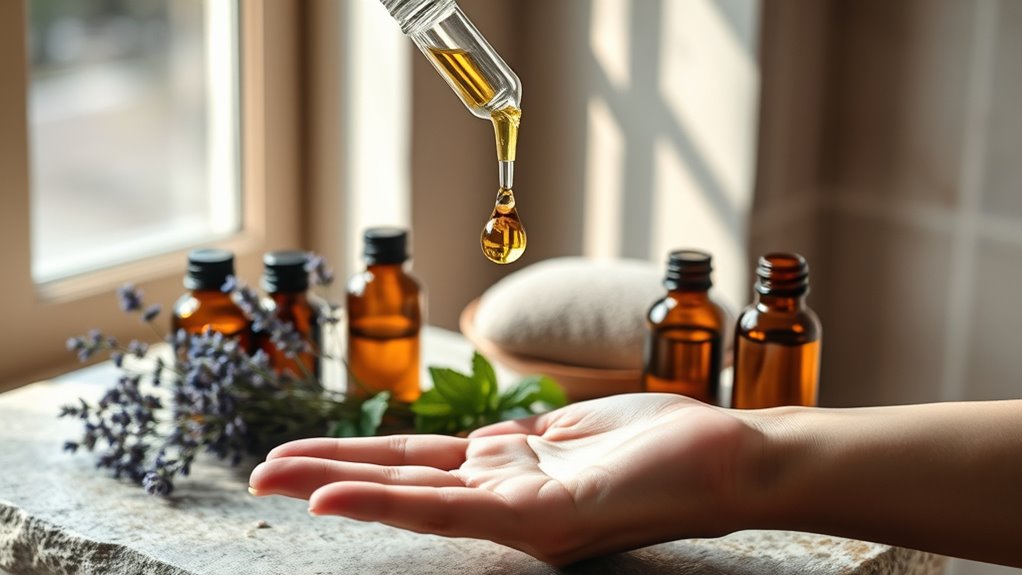
While conventional medications are often the first choice for pain relief, essential oils have gained significant attention from researchers for their natural analgesic properties. Recent research studies suggest that compounds in certain oils may interact with pain pathways in the body, potentially reducing inflammation and sensation of discomfort. Essential oils, such as frankincense and ginger, have been shown to amplify anti-inflammatory properties, making them a powerful option for pain management.
I think what makes these oils particularly interesting is how they work on multiple levels – both through aromatic inhalation affecting the brain and through topical application at the site of pain. Perhaps most compelling is the growing body of evidence supporting traditional uses that have been practiced for centuries.
Top Essential Oils That Combat Different Types of Pain

Although countless essential oils exist on the market today, certain varieties stand out for their exceptional pain-relieving properties. Lavender, perhaps the most versatile option, offers both anti-inflammatory benefits and calming effects that work wonders for headaches and joint discomfort.
Peppermint oil delivers almost immediate cooling relief when applied topically, making it ideal for muscle tension. Wintergreen and clove oils contain natural compounds that penetrate deeply for substantial pain relief.
I think frankincense deserves special mention too—it’s been used for centuries to reduce inflammation and promote healing. Each oil brings unique essential benefits to different pain types, whether arthritis, fibromyalgia, or everyday strains. Essential oils serve as a natural alternative for back pain relief, providing options without medication side effects.
DIY Pain Relief Blends You Can Make at Home

Now that we recognize which essential oils work best for specific pain types, creating your own therapeutic blends at home becomes remarkably straightforward. The process isn’t complicated, I think, but does require some basic understanding of oil proportions. For effective pain relief, consider starting with a carrier oil like avocado or aloe vera gel as your base. Perhaps add 3-5 drops of peppermint oil for cooling sensations, along with lavender for its anti-inflammatory properties. Additionally, incorporating the antimicrobial properties of benzoin oil can enhance the healing effects of your blend. Homemade remedies don’t need fancy equipment—just clean glass bottles and a measuring tool. Remember that personalization is key; what works for arthritis might need adjustments for headaches or muscle strain.
Application Methods for Maximum Effectiveness
Three primary application methods exist for utilizing essential oil pain blends, each offering unique benefits depending on your specific needs. Understanding these application techniques can greatly improve results by maximizing absorption into affected areas. Perhaps the most important factor is selecting the right method for your specific type of pain.
- Topical application – direct massage into painful joints or muscles
- Warm compress – adding oils to a damp cloth for deeper penetration
- Aromatherapy diffusion – inhaling for systemic relief and relaxation
- Bath soaks – combining with Epsom salts for full-body treatment
- Roller bottles – convenient application for on-the-go pain management
Safety Considerations When Using Essential Oils
While essential oils offer remarkable benefits for pain management, proper safety precautions must be followed to avoid adverse reactions and guarantee positive outcomes. Essential oil precautions should always include performing patch tests before widespread application, particularly for those with sensitive skin or allergies.
Safe dilution is perhaps the most critical aspect of essential oil use. Most oils are too potent to apply directly and require carrier oils like avocado or almond. I think a good rule of thumb is 3-5 drops per tablespoon of carrier oil for adults, and even less for children or elderly individuals.
Never ingest essential oils unless under professional guidance.
Frequently Asked Questions
Can Essential Oils Interact With Prescription Pain Medications?
Essential oil interactions with prescription pain medications are possible. Some oils may affect medication metabolism. Prescription medication safety requires consulting healthcare providers before combining treatments to avoid potentially harmful effects.
How Long Do Pain Relief Effects Typically Last?
Research shows 67% of patients report varying durations of pain relief. Essential oil blend effects typically last 2-6 hours, with pain duration influenced by application method, oil concentration, and individual relief factors.
Are Organic Essential Oils More Effective for Pain Relief?
While organic oils may contain fewer contaminants, research hasn’t conclusively demonstrated they provide superior pain management benefits compared to non-organic alternatives. Quality and purity remain more significant factors for effectiveness.
Can I Use Essential Oil Blends During Pregnancy?
With a mountain of precautions to contemplate, pregnant women should consult healthcare providers before using essential oils. Many require dilution and specific safety guidelines, with some oils completely contraindicated during pregnancy.
Do Essential Oils Lose Potency When Mixed With Carrier Oils?
Essential oils maintain their potency when properly mixed with carrier oils. While dilution occurs, the therapeutic properties remain effective. Essential oil shelf life and carrier oil compatibility affect long-term potency of these blended formulations.
Conclusion
Essential oil blends can transform pain from a raging storm into a passing cloud. When properly formulated and applied, these natural remedies offer relief without the side effects of conventional medications. Though not a replacement for medical treatment in severe cases, oils like lavender, peppermint, and eucalyptus provide a gentle yet effective alternative for many. Perhaps the greatest benefit is the personalized approach they allow in our journey toward holistic wellness.
About The Author