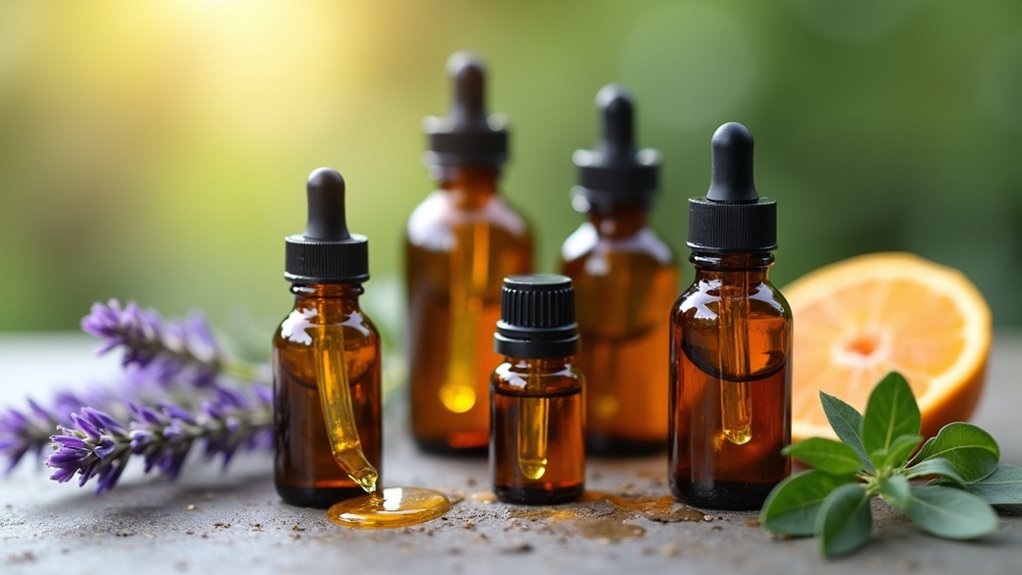
Essential oils have gained immense popularity, yet their potential risks remain somewhat overlooked. While these concentrated plant extracts offer various benefits, they aren’t without hazards. Users should understand that natural doesn’t automatically mean safe. Improper use can lead to skin irritation, allergic reactions, or even more serious complications for certain individuals. Perhaps the most concerning aspect is how casually some people apply these potent substances without proper knowledge. What exactly makes these oils potentially dangerous, and who needs to be most careful?
Some of the links in this article may be affiliate links. If you make a purchase through these links, we may earn a small commission at no extra cost to you. Thank you.
Common Adverse Reactions and How to Recognize Them

How can one identify when essential oils are causing harm instead of helping? The body often sends clear signals through the skin, our largest organ. Redness, itching, or burning sensations can indicate skin irritation, which typically appears within minutes of application.
Some individuals might experience more severe allergic reactions, including rashes, hives, or breathing difficulties. I think these responses vary greatly between people—what’s perfectly fine for one person might cause significant distress for another. Perhaps the most important thing to remember is that any unusual discomfort after using essential oils warrants immediate discontinuation and, in serious cases, medical attention. Additionally, it’s crucial to conduct patch testing before full application to check for reactions.
Safety Precautions for High-Risk Groups

Certain individuals face heightened risks when using essential oils, requiring special attention and modified approaches. Children, pregnant women, elderly individuals, and those with compromised immune systems should exercise particular caution. For these high-risk individuals, essential oil guidelines recommend considerably higher dilution rates—often at 1% or less—compared to the standard 2-5%. Perhaps most importantly, certain oils should be avoided entirely by vulnerable populations. I think pregnant women should specifically avoid oils like clary sage and rosemary, which may stimulate contractions. Additionally, proper dilution guidelines are crucial for safe use among children and other sensitive groups. Always consult healthcare providers before introducing essential oils to anyone in these sensitive groups.
Essential Oil Storage and Handling Best Practices
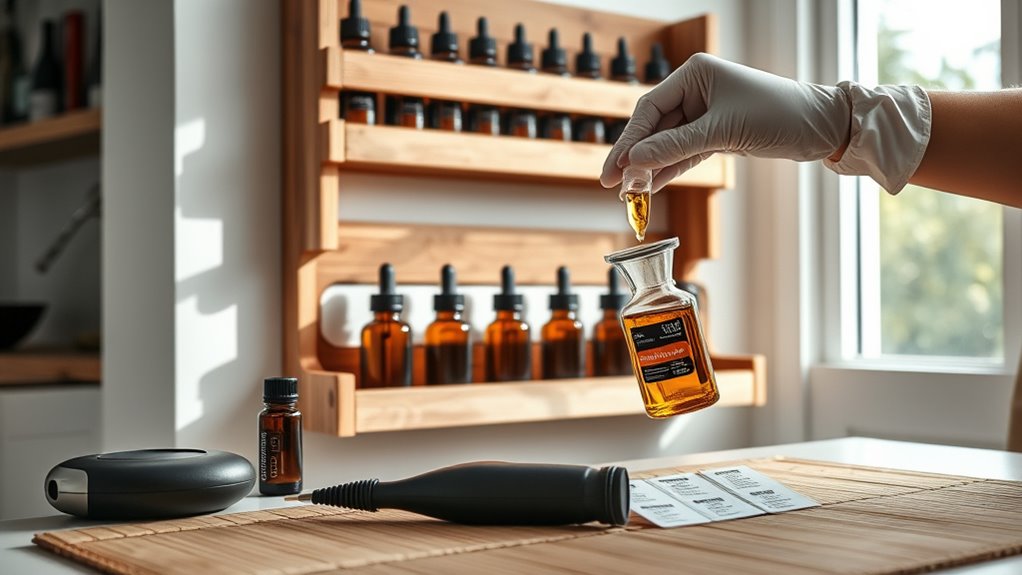
Proper storage and handling of essential oils not only preserves their therapeutic properties but also prevents potentially dangerous situations in the home. Essential oil containers should be kept in cool, dark places as light and heat can degrade their quality and potentially alter their chemical composition, affecting both safety and efficacy.
- Always secure lids tightly after use to prevent oxidation and evaporation
- Keep oils out of reach of children and pets, perhaps in locked cabinets
- Label bottles with purchase dates to track essential oil expiration
- Store in amber or cobalt glass bottles, never plastic which can deteriorate
I think most people underestimate how quickly improper storage can compromise these potent plant extracts. Understanding proper storage techniques is essential for maximizing the longevity and effectiveness of essential oils.
Potential Interactions With Medications and Treatments
Essential oils’ therapeutic properties make them popular for complementary health practices, but their chemical potency can create serious interactions with conventional medications and treatments. These natural compounds can alter medication effectiveness by either enhancing or diminishing their effects, potentially leading to unexpected health complications.
Some oils may interfere with blood-thinning medications, while others might impact hormonal treatments. Treatment compatibility varies widely among individuals, and what works safely for one person might cause adverse reactions in another. Perhaps most concerning are the often undocumented interactions that occur when essential oils are used alongside prescription medications.
Healthcare providers should always be informed about any essential oil usage before prescribing treatments.
Frequently Asked Questions
Can Essential Oils Affect Pets in My Home?
Essential oils can be hazardous to pets. Many animals have heightened sensitivity to oil toxicity, making diffused or topical oils potentially dangerous. Pet safety requires careful research before use around animals.
How Long Do Essential Oils Maintain Their Therapeutic Properties?
Essential oils typically maintain their therapeutic properties for 1-3 years. Proper storage conditions considerably impact shelf life, with dark glass containers and cool, dry environments preserving potency longest.
Are Organic Essential Oils Safer Than Conventional Ones?
Organic essential oils may offer advantages regarding organic sourcing practices, but certification alone doesn’t guarantee safety. Both organic and conventional oils must meet equivalent safety standards for therapeutic use.
Can Essential Oils Damage Furniture or Fabrics?
After ruining a vintage maple table with undiluted tea tree oil, many homeowners learned that essential oils can stain furniture and fabrics. Furniture protection includes using coasters and fabric care involves spot testing.
Should Essential Oils Be Avoided Before Exercise or Sun Exposure?
Some essential oils require exercise precautions due to photosensitivity effects. Citrus oils particularly should be avoided before sun exposure as they can increase risk of burns and skin damage.
Conclusion
As essential oil enthusiasts dance through the fragrant haze of lavender and eucalyptus, perhaps they might consider—wait for it—actually reading the safety instructions. Who knew that rubbing concentrated plant compounds everywhere without thought might have consequences? Like storing them next to an open flame or mixing them with medications because, obviously, nature couldn’t possibly interfere with pharmaceuticals. The aromatherapy revolution: where common sense goes to die.
About The Author