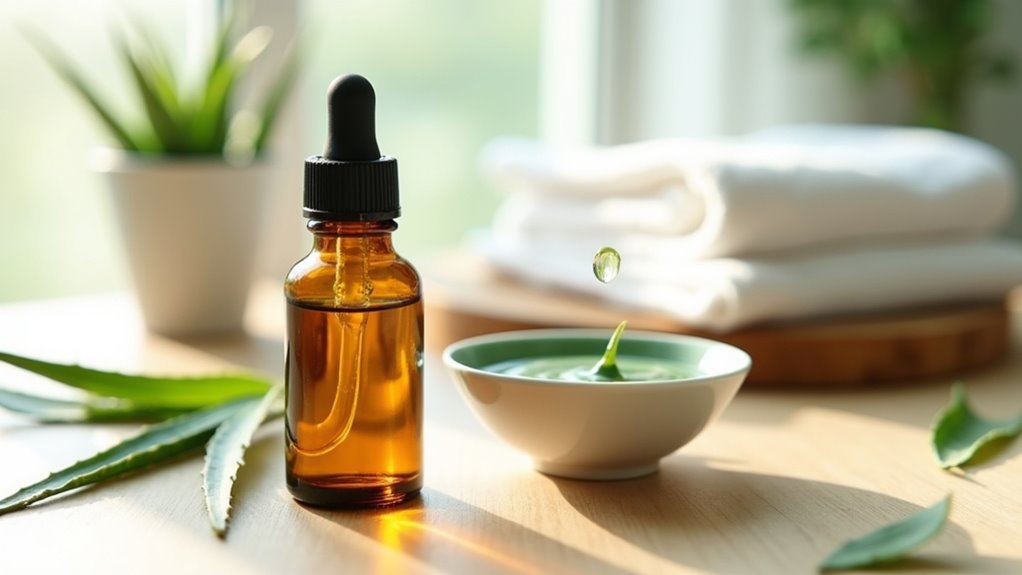
Tea tree oil stands as nature’s unsung hero in many homes today. Derived from Australia’s Melaleuca tree, this potent essential oil carries antiseptic properties that few natural substances can match. It tackles everything from stubborn acne to household germs with surprising effectiveness. Some users report almost miraculous results for skin conditions, though research remains somewhat limited. Perhaps it’s time more people discovered what this versatile oil can do beyond its familiar scent and common uses in shampoos.
Some of the links in this article may be affiliate links. If you make a purchase through these links, we may earn a small commission at no extra cost to you. Thank you.
The Ancient Origins of Tea Tree Oil

The ancient story of tea tree oil begins in the misty landscapes of Australia, where indigenous peoples discovered its remarkable properties thousands of years before European settlers arrived.
Aboriginal communities treasured this botanical wonder, using crushed leaves for treating wounds, skin ailments, and respiratory issues.
These tribal healers recognized the plant’s antiseptic qualities through generations of traditional knowledge. They would gather leaves from Melaleuca trees growing in swampy areas of eastern Australia, creating poultices and infusions that served as medicine.
Perhaps most interesting is how this knowledge was preserved through oral traditions, passing from elder to youth in ceremonies that celebrated nature’s healing gifts. This ancient wisdom mirrors modern understanding of tea tree oil’s antiseptic and anti-inflammatory properties, which penetrate hair follicles to promote overall scalp health.
Natural Healing for Skin Ailments and Infections
Modern research has confirmed what indigenous Australians knew for millennia – tea tree oil offers remarkable healing benefits for various skin conditions.
From stubborn eczema to psoriasis and acne, this powerful natural extract has demonstrated consistent effectiveness.
Perhaps most impressive is its antimicrobial action against common fungal infections like athlete’s foot and ringworm, which often resist other treatments.
Tea tree oil’s remarkable antimicrobial properties tackle stubborn fungal infections when other remedies fail.
Many people find tea tree oil particularly useful for minor wounds, cuts and scrapes. Its natural antiseptic properties help prevent infection while promoting healing.
It even shows promise in removing warts and skin tags, though results vary from person to person.
Enhancing Your Home Cleaning Routine Naturally
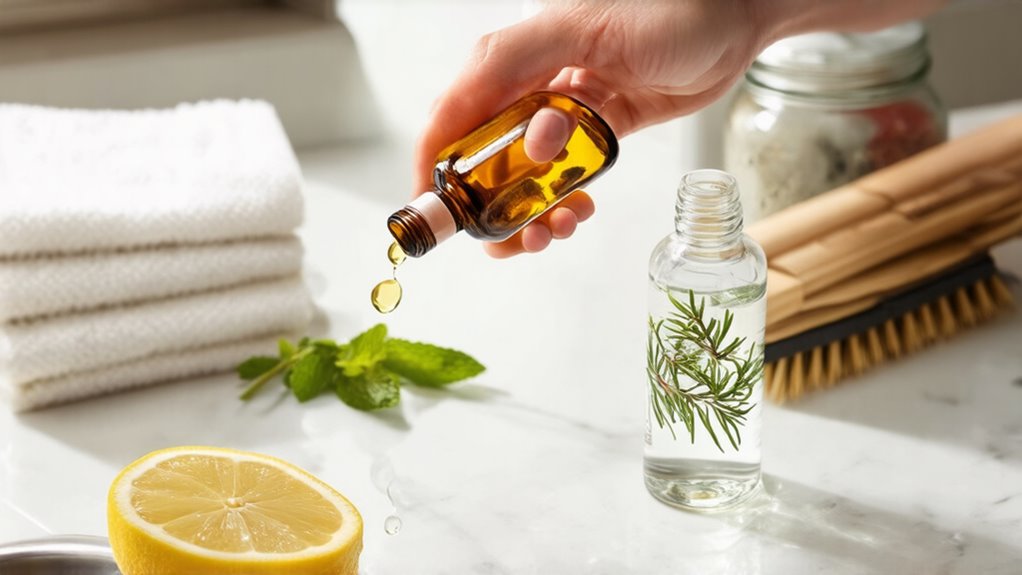
Many homeowners have discovered the versatile cleaning power of tea tree oil, transforming their household maintenance routines without harsh chemicals. This natural alternative effectively cleans sinks, counters, and floors while also freshening carpets with just a few drops in regular cleaning solutions.
Perhaps its most valuable property is the antimicrobial effect that disinfects surfaces throughout the home. Tea tree oil works particularly well against mold when mixed with apple cider vinegar – I’ve found it tackles those stubborn bathroom corners that sometimes develop dark spots.
For families with children or pets, it provides peace of mind as a non-toxic option that still gets the job done.
Tea Tree Oil for Personal Care and Hygiene
Countless personal care enthusiasts have discovered tea tree oil‘s remarkable versatility beyond home cleaning, making it a staple in daily hygiene routines.
Its antimicrobial properties make it perfect for DIY deodorants, shampoos, and lotions, offering natural alternatives to chemical-laden products.
Perhaps most impressively, tea tree oil excels in oral hygiene, eliminating bad breath when added to homemade mouthwash or toothpaste.
Tea tree oil transforms ordinary oral care into a breath-freshening powerhouse, banishing bad breath naturally.
It’s also surprisingly effective for skin conditions like eczema and acne.
For those concerned about minor wounds, the oil serves as a gentle antiseptic for cuts, scrapes, and bug bites.
Though potent, when properly diluted, it’s generally well-tolerated by most skin types.
Breathing Easier: Respiratory Benefits of Tea Tree Oil
Several respiratory conditions can be alleviated through the therapeutic properties of tea tree oil, offering natural relief where conventional treatments sometimes fall short.
When diffused in the home, this powerful oil can help ease asthma symptoms and improve general breathing difficulties that many people struggle with daily.
Perhaps what makes tea tree oil so effective for respiratory issues is its ability to be added to humidifiers, creating a more breathable environment in congested spaces.
Many find that regular use provides consistent relief from discomfort, though results certainly vary from person to person.
It’s particularly helpful during seasonal changes when breathing problems often intensify.
Natural Solutions for Pet Health and Wellness
Pet owners who seek gentler alternatives for flea control often turn to tea tree oil as a natural solution for their furry companions.
When properly diluted, this versatile oil helps control fleas in pet bedding and reduces the discomfort associated with bites.
Perhaps the most appealing aspect is that tea tree oil provides a chemical-free option for maintaining pet health.
By incorporating small amounts into cleaning routines for pet areas, owners create a healthier environment for their animals.
I think most pet parents appreciate having natural options that work effectively.
Remember though, always use tea tree oil in diluted form around pets, as concentrated applications can be harmful to some animals.
DIY Applications: Making the Most of Tea Tree Oil
Crafting your own tea tree oil products at home opens up a world of possibilities for natural health and wellness solutions. From homemade cleaning sprays to personal care items, this versatile oil serves countless purposes in DIY applications.
Perhaps the most practical uses include creating skin treatments for acne or eczema by mixing a few drops with carrier oils.
Or maybe adding it to homemade mouthwash for fresher breath. Some find it works wonders in laundry rinses too.
Remember though, always dilute tea tree oil properly before application. It’s powerful stuff, and a little goes a surprisingly long way in most homemade formulations.
Frequently Asked Questions
Is Tea Tree Oil Safe to Use During Pregnancy?
By the gods of yore, tea tree oil’s safety during pregnancy remains controversial. Medical professionals generally advise pregnant women to consult healthcare providers before using it, as research on its prenatal effects is limited.
Can Tea Tree Oil Expire and How Should It Be Stored?
Tea tree oil does expire. Its shelf life ranges from 1-3 years. It should be stored in a dark glass bottle away from sunlight and heat to maintain potency.
What Dilution Ratio Is Safe for Sensitive Skin Conditions?
For sensitive skin conditions, a safe tea tree oil dilution is 1-2% (5-10 drops per ounce of carrier oil). Patch testing is recommended before broader application to prevent irritation.
Is Tea Tree Oil Effective Against Antibiotic-Resistant Infections?
Where modern medicine falters, nature offers solutions. Tea tree oil has shown promise against certain antibiotic-resistant bacteria due to its antimicrobial properties, though clinical evidence remains limited for serious resistant infections.
Can Tea Tree Oil Cause Hormonal Disruptions With Regular Use?
Research suggests tea tree oil may have mild estrogenic effects, but evidence for significant hormonal disruption is limited. Discontinue use if experiencing hormonal-related symptoms during regular application.
About The Author