When your doctor first mentions your cholesterol numbers are creeping up, it can feel like watching storm clouds gather on the horizon—you know something’s coming, but you’re not sure how severe it’ll be. You’re probably wondering if you’ll need medication or if there are faster, more natural ways to get those numbers down. I’ve been there myself, and honestly, the good news is that you have more control than you might think. Let’s explore some realistic strategies that could help turn those numbers around surprisingly quickly.
Some of the links in this article may be affiliate links. If you make a purchase through these links, we may earn a small commission at no extra cost to you. Thank you.
The Power of HDL: Boosting Your Body’s Natural Cholesterol Fighter
While many of us focus on lowering our “bad” cholesterol, boosting HDL—your body’s natural cholesterol fighter—might be equally important for heart health. Think of HDL as your bloodstream’s cleanup crew, actively removing LDL before it forms dangerous plaque.
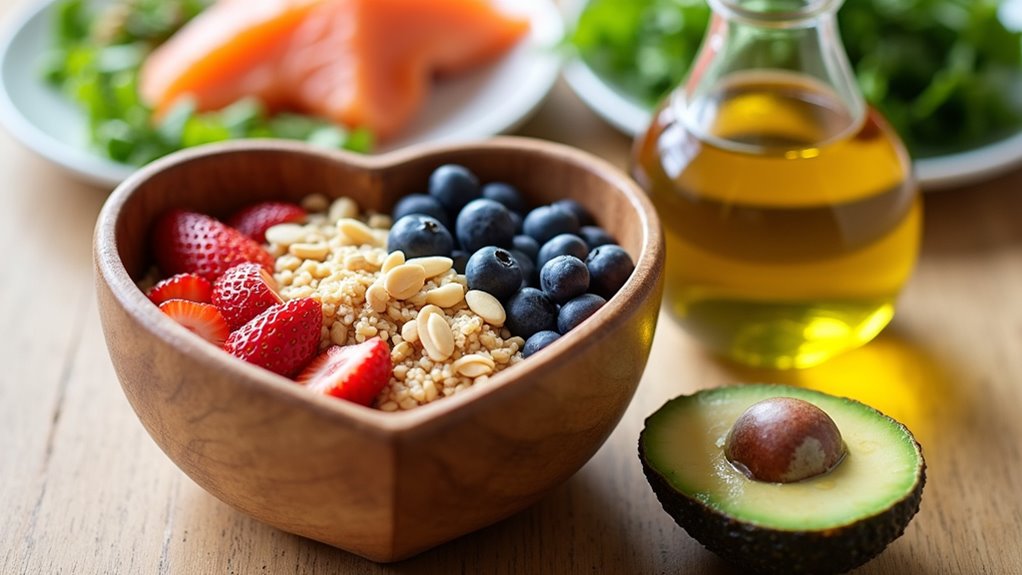
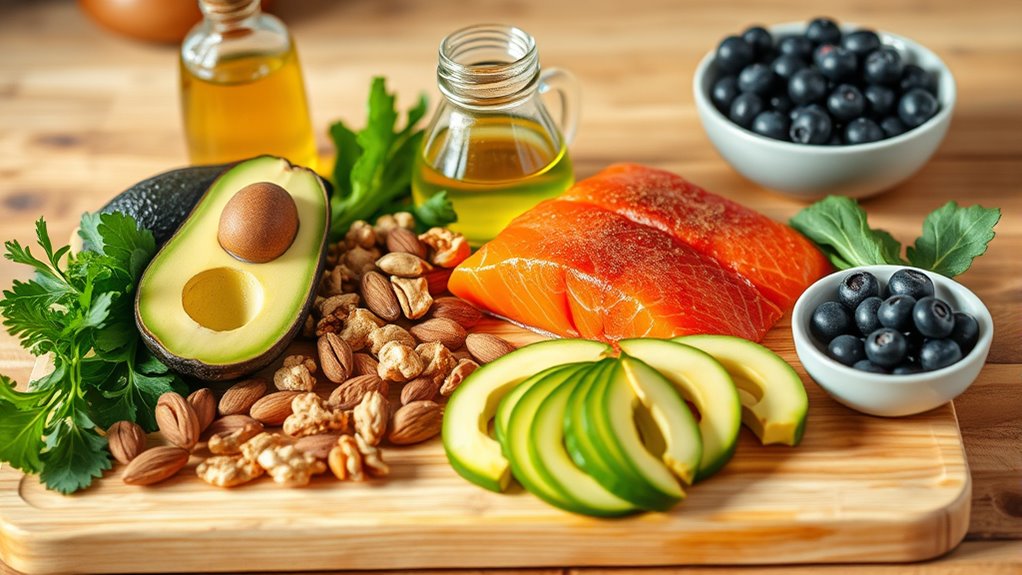
The HDL benefits extend beyond cholesterol management—it’s linked to improved cardiovascular health overall. To increase your HDL sources naturally, consider adding fatty fish like salmon, olive oil, and avocados to your diet. Perhaps equally important, regular exercise consistently raises HDL levels, even with modest activity like brisk walking. Incorporating coconut oil into your cooking can also support overall heart health by providing beneficial fats.
Women typically enjoy higher HDL until menopause, so gentlemen—you might need to work a bit harder!
Superfoods That Rapidly Reduce LDL Levels
Although many diet strategies can help manage cholesterol, certain superfoods pack an exceptional punch when it comes to rapidly reducing LDL levels. I’ve found that incorporating these foods consistently can make a noticeable difference in your numbers – perhaps faster than you’d expect.
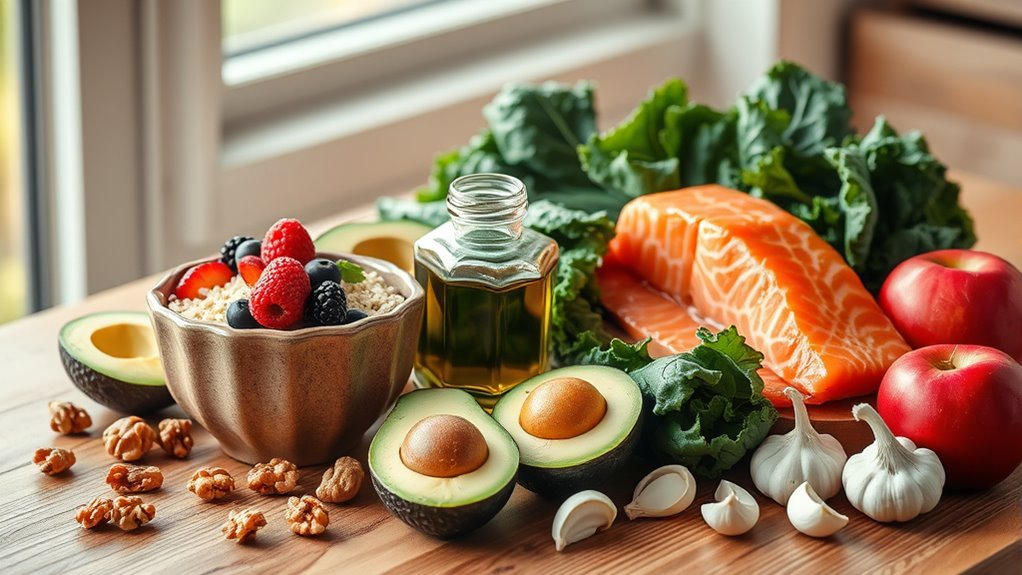
Here are four cholesterol-fighting champions worth adding to your diet:
- Avocados – Rich in monounsaturated fats that actively lower LDL while protecting HDL
- Oat bran – Contains beta-glucan fiber that fundamentally sweeps cholesterol from your system
- Fatty fish – Omega-3s reduce inflammation and triglycerides
- Walnuts – Plant sterols block cholesterol absorption
I think these foods work best when they replace less healthy options in your meals.
Quick-Start Exercise Plans for Immediate Cholesterol Impact

Since your cholesterol levels can respond to exercise within just a week or two, getting started with the right routine matters more than perfection. I think the simplest approach is beginning with walking routines – just 30 minutes daily can make a remarkable difference.
Perhaps consider adding interval training to your walks. Alternate between brisk walking for one minute and normal pace for two minutes. This variation increases cardiovascular benefits without overwhelming your system.
Supplement Strategies: Natural Remedies for Fast Results
Many people look for natural supplements when they’re trying to quickly address cholesterol concerns, especially if they want to avoid prescription medications. I think natural approaches can be quite effective when combined with dietary adjustments and regular exercise.
- Red yeast rice has shown promising results, often working similarly to statins but with fewer side effects
- Omega-3 supplements can help boost your HDL while lowering LDL levels
- Garlic capsules may reduce total cholesterol by 10-15% when taken consistently
- Soluble fiber supplements like psyllium can complement your herbal remedies
Remember to check with your doctor before starting any new supplement regimen, particularly if you’re already taking medications.
Frequently Asked Questions
How Quickly Can Dietary Changes Affect Cholesterol Levels?
You’ll notice initial changes in 2-3 weeks, with significant improvements in 2-3 months. Reducing dietary fats while increasing fiber intake accelerates your cholesterol reduction when you’re consistent.
Can Stress Management Impact Cholesterol Numbers?
Coincidentally, you’ll see your cholesterol improve with proper stress management. Chronic stress raises LDL levels, while stress reduction techniques and mindfulness practices help lower them. Your body responds positively to emotional balance.
Do Genetics Play a Role in Cholesterol Resistance?
Yes, your genetic predisposition greatly influences how your body processes cholesterol. Some people have genes that increase cholesterol absorption, making them more resistant to dietary changes and requiring different approaches.
Are Cholesterol Medications Compatible With Natural Approaches?
Can medication mesh with Mother Nature? Yes, you can often combine cholesterol medications with natural approaches, but always tell your doctor about any natural remedies to avoid potential medication interactions.
How Often Should I Test My Cholesterol Levels?
You should test your cholesterol levels annually if healthy, or every 4-6 months when actively managing high cholesterol. Your doctor may recommend more frequent testing based on your health profile.
Conclusion
Tackling high cholesterol is a bit like clearing a clogged drain—sometimes you need multiple approaches to get things flowing again. By combining cholesterol-fighting foods, consistent exercise, and perhaps the right supplements, you’ll create a powerful strategy that works quickly. Remember, small daily choices add up to big changes. Your heart will thank you, and I think you’ll feel the difference sooner than you might expect.
About The Author