Epsom salts might just be the unsung hero of natural remedies hiding in medicine cabinets worldwide. This humble compound—magnesium sulfate in its crystalline form—has been relieving ailments for centuries, yet many people aren’t fully aware of its extensive benefits. Beyond the occasional bath soak for sore muscles, these mineral salts offer solutions for everything from gardening problems to beauty routines. The versatility is impressive, and perhaps most appealing is how this affordable substance often outperforms expensive commercial alternatives.
Some of the links in this article may be affiliate links. If you make a purchase through these links, we may earn a small commission at no extra cost to you. Thank you.
What Makes Epsom Salt a Powerful Natural Remedy
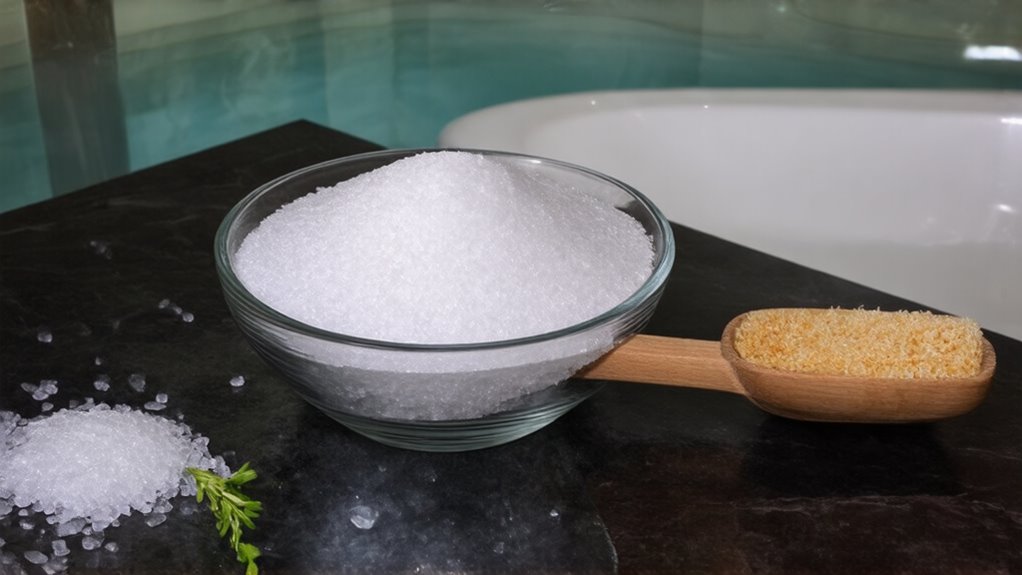
The remarkable versatility of Epsom salt lies in its unique chemical composition. Technically not a salt at all, but rather magnesium sulfate, this crystalline compound delivers two essential nutrients directly into the body through the skin.
Perhaps this absorption method is what makes it so effective for various ailments.
While many natural remedies lack scientific backing, Epsom salt has been studied for its legitimate therapeutic properties. The magnesium content helps regulate over 300 enzymes in our bodies and supports nerve function, while sulfates assist with nutrient absorption and toxin elimination.
I think this dual-action approach explains why it’s remained a trusted remedy for centuries.
The Science Behind Epsom Salt’s Therapeutic Properties
Scientific evidence supporting Epsom salt’s healing properties continues to mount in modern research, despite its centuries-old reputation as a folk remedy.
Modern studies increasingly validate Epsom salt’s therapeutic benefits, elevating it beyond its longstanding folk remedy status.
When dissolved in warm water, magnesium sulfate breaks down into magnesium and sulfate ions that can be absorbed through the skin, perhaps explaining its therapeutic effects.
The magnesium component plays an essential role in over 300 enzymatic reactions in the body, regulating nerve function and reducing inflammation. I think this might explain why soaking in Epsom salt baths often provides such noticeable muscle relaxation.
Meanwhile, sulfates help improve nutrient absorption and flush toxins from cells.
Soothing Baths: How to Create the Perfect Epsom Salt Soak
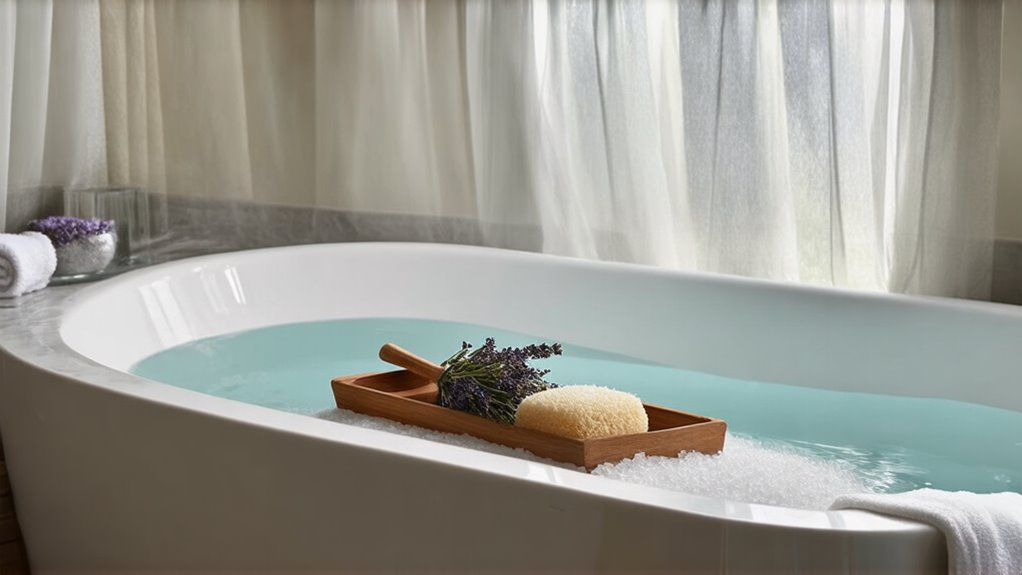
Crafting the perfect Epsom salt bath transforms your regular soaking routine into a therapeutic experience with remarkable health benefits. The key is finding the right balance of salt, water temperature, and soaking time to maximize relaxation and healing effects.
| Bath Type | Salt Amount | Ideal Time |
|---|---|---|
| Relaxation | 2 cups | 20-30 min |
| Muscle Pain | 3-4 cups | 15-20 min |
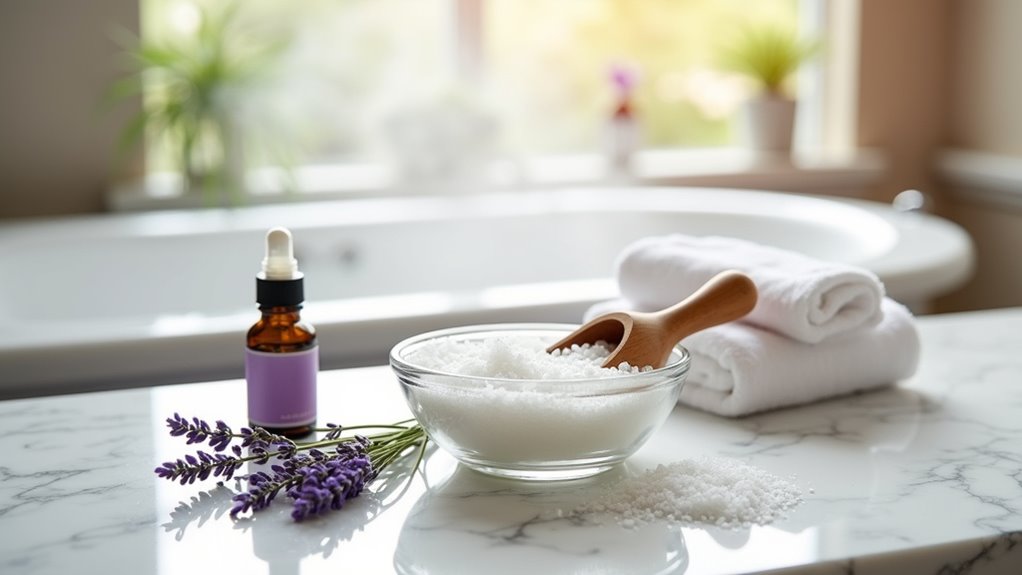
| Stress Relief | 2 cups + lavender | 25 min |
Perhaps the most important element is water temperature—warm enough to dissolve the salts thoroughly (around 100-104°F), but not so hot that it causes discomfort or excessive sweating. I think adding essential oils can enhance the therapeutic properties too.
Beyond Relaxation: Pain Management With Epsom Salt
Diving beyond mere relaxation, Epsom salt proves itself as a powerful ally in pain management for various conditions. The magnesium sulfate compound works effectively to reduce inflammation and soothe discomfort when applied directly to affected areas.
For muscle strains or joint pain, applying a warm Epsom salt paste can provide targeted relief. Some users report significant improvement with migraines when soaking in an Epsom bath during the early onset stages.
I think what makes it particularly effective is how it addresses both the physical tension and the inflammatory response simultaneously.
Perhaps most remarkable is its versatility – from chronic conditions to acute injuries, this humble mineral compound offers a gentle alternative worth trying.
Beauty Benefits: Skin and Hair Applications
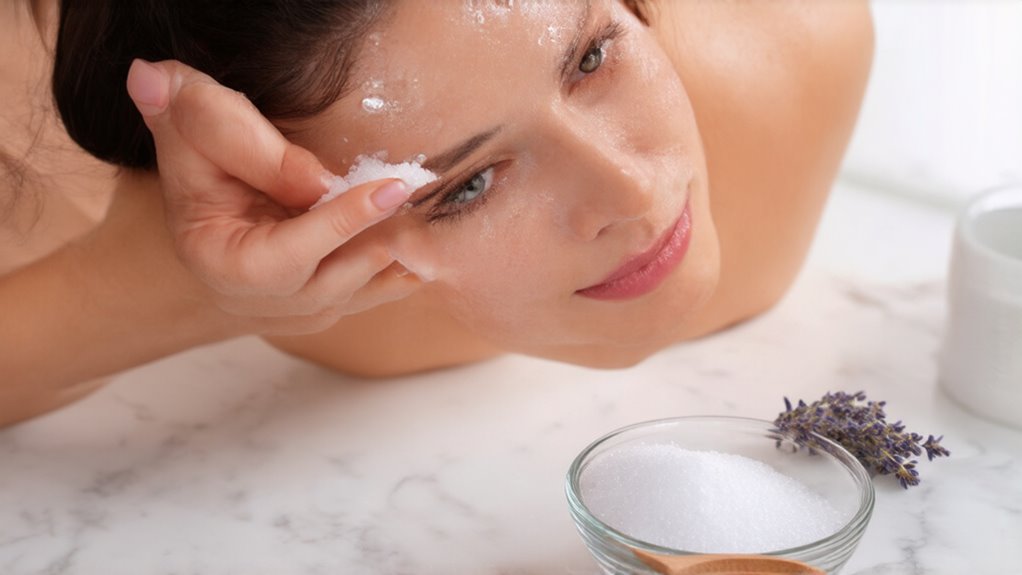
While many people associate Epsom salt primarily with pain relief, its versatility extends beautifully into the domain of skincare and hair treatments.
Mixed with olive oil, it creates an effective exfoliant that gently removes dead skin cells while softening the skin’s texture.
For those struggling with stubborn blackheads, a paste of Epsom salt with iodine and water can help extract impurities.
Perhaps most surprising is its effect on hair—adding it to conditioner increases volume, while mixing with shampoo reduces excess oil.
I think many overlook how simple kitchen ingredients like this can replace expensive beauty products, often with better results.
Garden and Home: Unexpected Uses for Epsom Salt
Beyond beauty applications, Epsom salt proves remarkably useful throughout the home and garden, serving purposes many homeowners never consider.
Its magnesium content makes it a secret weapon for plant health, while its cleaning properties tackle stubborn household messes with surprising effectiveness.
I think most people would be amazed at how versatile this simple mineral compound can be outside the bathroom.
Perhaps it’s the combination of gentleness and effectiveness that makes it so valuable for so many applications around the home.
- Sprinkle around garden plants to enhance nutrient absorption and promote flowering
- Mix with dish detergent for scrubbing grimy bathroom tiles without scratching
- Deter garden pests like slugs by creating a protective barrier around plants
- Revitalize struggling houseplants with a weekly Epsom salt solution
Wellness Routines: Incorporating Epsom Salt for Better Health
Incorporating Epsom salt into daily wellness routines offers a simple yet effective approach to maintaining overall health and addressing specific concerns naturally.
Many enthusiasts recommend starting with a 15-20 minute bath soak three times weekly, using two cups of Epsom salt in warm water to maximize magnesium absorption.
For targeted relief, consider alternating between full baths and foot soaks depending on your needs. Some wellness practitioners suggest morning soaks for energy and evening baths for better sleep quality. Perhaps combining with essential oils like lavender or eucalyptus enhances benefits, as lavender oil properties help quiet the mind and relax the body for restful sleep.
Remember that consistency matters more than intensity – even occasional Epsom treatments can help maintain balance in our often-stressed bodies.
Precautions and Best Practices for Using Epsom Salt
Despite Epsom salt’s numerous benefits, how can one guarantee it’s used safely and effectively? While generally safe for most people, there are important considerations to keep in mind.
Perhaps the most essential advice is to start with smaller amounts and shorter soaking times, especially for first-time users who might be sensitive to magnesium absorption.
Start gradually with Epsom salt—use less and soak briefly when first trying it, particularly if you’re sensitive to magnesium.
- Always consult a doctor before using Epsom salt if pregnant, diabetic, or dealing with heart or kidney conditions
- Never use on broken skin, open wounds, or infected areas
- Stop use immediately if you experience skin irritation or allergic reactions
- Store in airtight containers away from moisture and children’s reach
Frequently Asked Questions
Can Epsom Salt Baths Help With Pregnancy-Related Discomforts?
Epsom salt baths may help relieve pregnancy-related discomforts by reducing swelling, easing muscle pain, improving circulation, and promoting relaxation. Pregnant women should consult healthcare providers before use.
Does Epsom Salt Expire or Lose Effectiveness Over Time?
Like fine wine that remains stable, Epsom salt doesn’t technically expire. However, proper storage in airtight containers prevents moisture absorption that may cause clumping and reduced effectiveness over time.
Can Children and Pets Safely Use Epsom Salt Products?
Children can use Epsom salt baths with physician guidance, while pets should avoid ingestion. Lower doses are recommended for children, and veterinary consultation is essential before using with animals.
How Do Epsom Salts Interact With Medications or Health Conditions?
Like ships passing in the night, Epsom salts may interact with certain medications by altering absorption rates and can exacerbate conditions like kidney disease, diabetes, or high blood pressure.
What’s the Difference Between Epsom Salt and Other Bath Salts?
Epsom salt contains magnesium sulfate while other bath salts typically contain sodium chloride or various minerals. Epsom salt focuses on therapeutic benefits like muscle relaxation, while decorative bath salts often prioritize fragrance and aesthetics.
About The Author