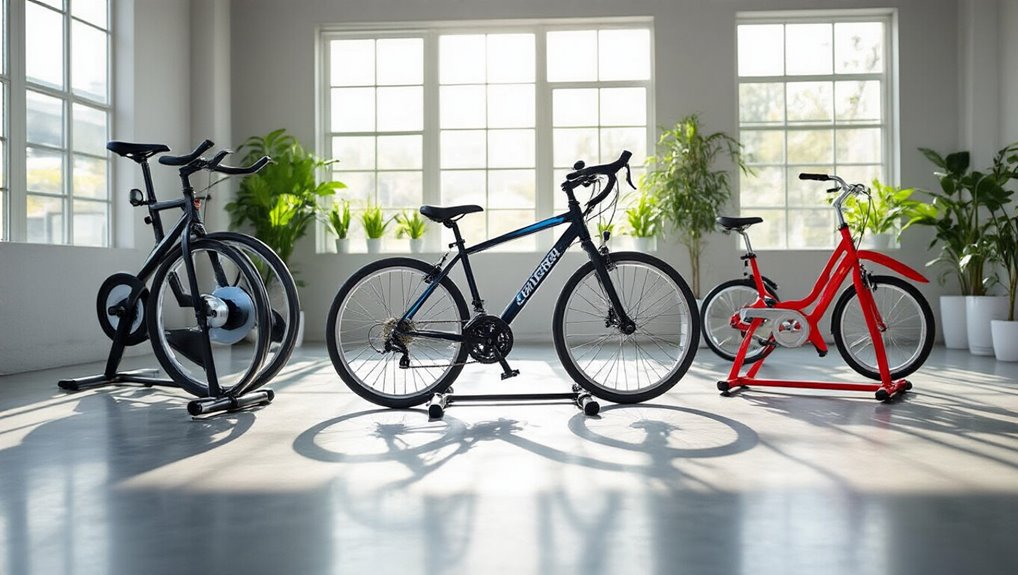
It’s funny how just yesterday I was helping my neighbor set up his new exercise bike when you’re probably thinking about getting one yourself. You don’t need to break the bank to get quality equipment, but—well, you also can’t expect miracles from a £50 machine that’ll wobble like a shopping cart with a wonky wheel. The sweet spot depends on what you’re actually planning to do with it, and there’s something most people completely overlook when choosing.
Some of the links in this article may be affiliate links. If you make a purchase through these links, we may earn a small commission at no extra cost to you. Thank you.
Budget-Friendly Options Under £200
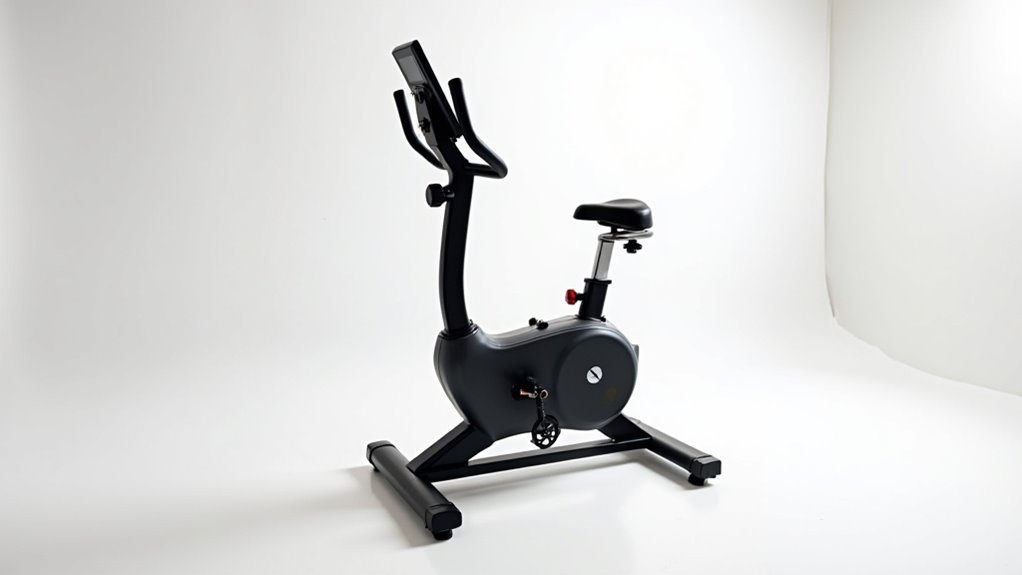
Finding a quality exercise bike for under £200 might seem like searching for a needle in a haystack, but honestly, there are some solid options out there if you know what to look for. You’ll need to compromise on some features, sure, but that doesn’t mean you’re settling for junk. Look for basic magnetic resistance systems – they’re quieter than friction types. Don’t expect fancy programs or heart rate monitors at this price point. Focus on sturdy construction and adjustable seats instead. Well, maybe you won’t get premium padding, but you’ll still get moving.
Mid-Range Exercise Bikes £200-£400
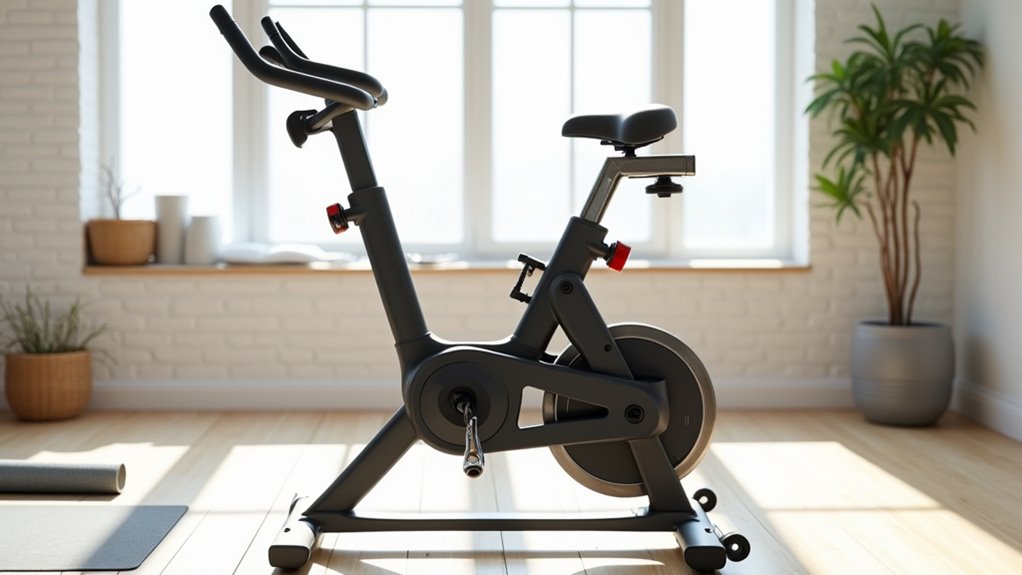
When you step up to the £200-£400 range, you’re entering what I’d call the sweet spot for home exercise bikes. You’ll get considerably better build quality and features that actually make a difference in your workouts.
Here’s what you can expect in this price bracket:
- More resistance levels – Think 16-32 levels instead of just 8, giving you room to really progress
- Built-in programs – Pre-designed workouts that’ll push you harder than you’d push yourself
- Better displays – Clear LCD screens that track everything from heart rate to calories burned
- Sturdier construction – These bikes won’t wobble or creak under intense sessions
Premium Models £400-£600
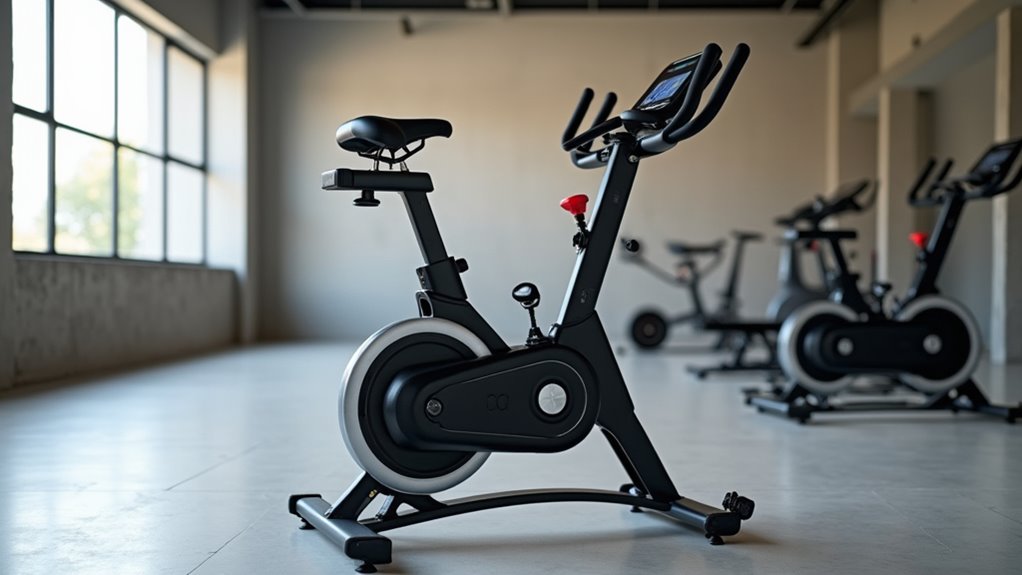
The premium exercise bike territory – this is where you’ll find machines that honestly rival what you’d see in commercial gyms. You’re looking at the JLL IC300 PRO and WeRSports models here. These aren’t toys – they’re built like tanks with proper flywheels and silent belt drives. Actually, the construction quality jumps dramatically in this range. You’ll get commercial-grade components that’ll handle years of heavy use. Think of it like buying professional-grade tools versus DIY store versions. Sure, it’s more upfront, but you’re investing in something that won’t wobble or break down after six months of regular sessions.
High-End Professional Grade Bikes £600
Beyond £600, you’re stepping into proper commercial territory – we’re talking about bikes that you’d actually pay monthly gym membership fees to use. These machines are built like tanks and designed to handle serious daily punishment. You’ll find features that honestly make home workouts feel like you’re in a professional cycling studio.
What separates these premium models from everything else:
- Commercial-grade flywheels (usually 20kg+) that create momentum you can actually feel
- Professional resistance systems with infinite adjustment, not just preset levels
- Studio-quality displays with live classes and performance tracking
- Bulletproof construction designed for years of heavy use
Best Folding Exercise Bikes for Small Spaces
Living in a cramped flat or tiny house doesn’t mean you’ve got to kiss goodbye to your fitness goals – actually, it just means you need to be a bit smarter about your equipment choices. Folding exercise bikes are absolute game-changers here. Take the XTERRA Fitness FB350 – it’s like having a proper gym bike that transforms into something you can tuck away in a cupboard. Weighs only 19 kg, so you won’t throw your back out moving it. The folding mechanism is dead simple, and you’ll still get 8 resistance levels for decent workouts.
Spin Bikes Vs Upright Exercise Bikes
When you’re standing in front of two bikes wondering which one’ll actually get you the results you’re after, the choice between spin bikes and upright exercise bikes comes down to what kind of punishment – I mean, workout – you’re really looking for.
The real question isn’t which bike is better – it’s which one matches your pain tolerance and fitness goals.
Here’s what separates these two machines:
- Riding position – Spin bikes put you in an aggressive, forward-leaning stance like a racing bike, while upright bikes keep you sitting comfortably vertical
- Resistance feel – Spin bikes use weighted flywheels for that smooth, road-like experience; upright bikes rely on magnetic resistance
- Workout intensity – Spin bikes push hardcore interval training; upright bikes favor steady cardio
- Comfort level – Upright wins for casual riders
Essential Features to Look For
After you’ve figured out which type of bike suits your workout style, the real challenge starts – actually, let me rephrase that – the smart shopping begins when you know exactly which features’ll make or break your daily rides.
First, resistance levels matter more than you’d think. Look for at least 8-16 levels – trust me, you’ll outgrow basic settings quickly. Magnetic resistance runs quieter than friction systems, which your neighbors’ll appreciate.
Don’t overlook the display either. You want clear readouts for speed, distance, and calories burned. Heart rate monitoring‘s pretty essential too. Finally, adjustability‘s non-negotiable – seat height and handlebar positioning determine whether you’ll actually use the thing.
Resistance Types and Their Benefits
Speaking of resistance – and this is where things get properly technical – you’ve got three main types to choose from, and honestly, each one’s got its own personality.
- Magnetic resistance uses magnets to create smooth, silent tension that won’t wake your neighbors
- Air resistance gets harder as you pedal faster, like cycling into a headwind
- Friction resistance uses brake pads against the flywheel – it’s basic but effective
- Electromagnetic resistance offers computer-controlled precision for exact workout intensity
Magnetic’s probably your best bet for home use – it’s quiet and consistent.
Comfort and Ergonomic Considerations
Let’s be honest here – you can have the fanciest resistance system in the world, but if your bike feels like a medieval torture device, you’re not going to use it. Comfort is everything when you’re grinding through a 45-minute session.
Start with the seat – it’s your foundation. Look for thick padding and proper width. Some bikes offer gel seats, which honestly feel like sitting on a cloud. Height adjustment is non-negotiable; your legs should extend comfortably without overreaching.
Handlebars matter too. Multiple grip positions prevent numbness, and adjustable height keeps your back from screaming.
Maintenance and Warranty Comparisons
You’ve found the perfect bike that fits like a glove, but here’s something most people don’t think about until it’s too late – maintenance costs can sneak up on you like a leaky roof. Well, actually, most exercise bikes are pretty low-maintenance machines, but you’ll want to know what you’re getting into.
Here’s what you need to check:
- Belt vs. chain systems – Belts rarely need replacing, chains require regular lubrication
- Resistance mechanisms – Magnetic systems last longer than friction pads
- Warranty coverage – Look for at least 2-3 years on parts
- Customer service quality – You’ll probably need help eventually
About The Author


