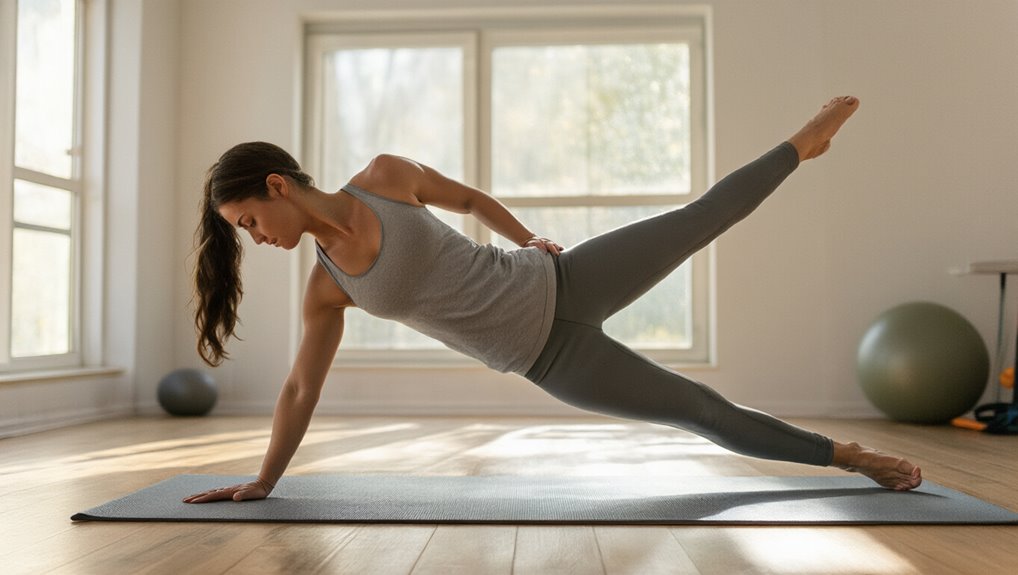
Your lower back is like the foundation of a house – if it’s weak, everything above it starts to crack and shift. You’ve probably felt that nagging ache after a long day, or maybe you’re one of the lucky ones who hasn’t… yet. Well, here’s the thing: most people don’t think about strengthening their lower back until something goes wrong. But just like you wouldn’t skip reinforcing a foundation, you shouldn’t ignore these muscles that literally hold you upright every single day.
Some of the links in this article may be affiliate links. If you make a purchase through these links, we may earn a small commission at no extra cost to you. Thank you.
Why Lower Back Strength Matters for Your Health

While most people focus on building impressive biceps or sculpted abs, your lower back quietly does the heavy lifting that keeps your entire body functioning properly. Think of it as your body’s foundation – without solid groundwork, everything else crumbles. Your lower back supports every movement you make, from picking up groceries to playing with your kids. When it’s weak, you’re setting yourself up for pain and injury down the road. Strong lower back muscles don’t just prevent problems; they actually improve your heart health and reduce cardiovascular risks. It’s honestly one of the best investments you’ll make.
Benefits of Regular Lower Back Training

Since you’ve committed to strengthening your lower back, you’re gonna see benefits that honestly go way beyond just avoiding pain. Think of your lower back as the foundation of a house – when it’s solid, everything else stays stable. You’ll notice better posture almost immediately, and your core will feel rock-solid during daily tasks. Your mobility improves dramatically, making bending and lifting feel effortless. Plus, well, you’re actually boosting your heart health and reducing cardiovascular risks. The flexibility gains alone make it worth the effort. It’s like upgrading your body’s entire structural system.
Dumbbell Deadlifts: Full-Body Power Movement

When you’re looking to build serious strength and get the most bang for your buck, dumbbell deadlifts are basically the Swiss Army knife of exercises. They’ll work your entire posterior chain – that’s your hamstrings, glutes, and lower back – while also hitting your core and upper body.
Here’s what makes them so effective:
| Muscle Groups | Equipment Needed | Difficulty Level |
|---|---|---|
| Hamstrings, Glutes | Just dumbbells | Beginner-friendly |
| Lower back, Core | Minimal space | Moderate intensity |
| Upper body, Grip | Home or gym | Progressive load |
Start light and focus on proper form first.
Dumbbell Sumo Deadlift: Beginner-Friendly Variation
If regular deadlifts feel a bit intimidating or you’re dealing with some knee issues, the sumo variation might just become your new best friend. Think of it like switching from a narrow doorway to a wide-open entrance – you’re taking a wider stance that’s easier on your joints.
You’ll position your feet wider than shoulder-width with toes pointed outward. The dumbbell sits between your legs instead of in front. This setup targets your glutes and hamstrings while being gentler on your knees and hips. Start light – maybe 15-20 pounds – and focus on form over weight.
Back Extension Machine: Targeted Muscle Development
While free weights get most of the attention, the back extension machine deserves a spot in your lower back toolkit – think of it as the specialized tool that does one job really well. You’ll find this machine in most gyms, and it looks somewhat like a bicycle without wheels. What makes it special? It isolates your lower back muscles better than compound movements can. You’re targeting the erector spinae directly, which helps correct posture issues. Start light and focus on controlled movements. Actually, I think it’s perfect for beginners who need to build that foundational strength safely.
Bodyweight Exercises: Push-Up Planks and Cat Camel
Since you don’t always have access to gym equipment or dumbbells, bodyweight exercises become your reliable foundation for building lower back strength – and honestly, they’re more versatile than most people realize.
Push-up planks work like a solid foundation under your house – they support everything above. Start in plank position, then perform a push-up while maintaining that rigid core. It’s tougher than it sounds, but you’ll feel every muscle working.
| Exercise | Equipment Needed | Difficulty Level |
|---|---|---|
| Push-Up Planks | None | Intermediate |
| Cat Camel | None | Beginner |
| Both Combined | None | Beginner-Friendly |
| Daily Routine | Floor Space | Adaptable |
Cat camel movements target your spine’s flexibility perfectly. Think of it as oiling a hinge – you’re keeping everything moving smoothly.
Safety Tips and Best Practices for Lower Back Training
Building strength feels fantastic, but working with your lower back requires the same careful approach you’d take when wiring electrical circuits – one wrong move and you’re dealing with serious consequences. Always warm up first – I can’t stress this enough. Start light and build gradually. Your form matters more than the weight you’re lifting. If something feels off, stop immediately. Don’t push through pain; that’s your body’s warning system. Keep your core tight during every movement. Rest between sessions. Your lower back needs recovery time, just like any other muscle group you’re developing.
About The Author


