Warts demand action. Tea tree oil delivers it. This natural antiviral agent attacks HPV—the actual culprit behind those stubborn skin growths—rather than merely treating symptoms. Application couldn’t be simpler: dab undiluted oil directly on adult warts or create a diluted solution for children. Results emerge within four weeks. No prescriptions. No expensive procedures. Just consistent application of a proven botanical remedy that targets the source instead of the surface.
Some of the links in this article may be affiliate links. If you make a purchase through these links, we may earn a small commission at no extra cost to you. Thank you.
Understanding Warts and Their Impact

Warts—those unwelcome skin invaders—appear as small bumps capable of colonizing virtually any body surface. Nearly 20 million Americans carry HPV, the viral culprit behind these stubborn growths. Understanding wart types matters: plantar warts attack feet, common warts favor hands, and flat warts often plague the face.
Wart prevention requires vigilance. Avoid direct contact with infected surfaces. Don’t pick at existing warts—they spread. Cover warts in public spaces like pools and gyms. While typically painless, these viral outcroppings can persist for months or years without intervention. Some resolve spontaneously; others demand aggressive treatment.
The Science Behind Tea Tree Oil’s Effectiveness
Since ancient times, tea tree oil has demonstrated remarkable efficacy against viral pathogens—including HPV. The secret? Its potent compound terpinen-4-ol actively suppresses inflammatory mediators responsible for wart growth.
This isn’t just folk medicine nonsense. Scientific research confirms tea tree’s antiviral properties disrupt the HPV viral membrane, fundamentally suffocating the infection. It simultaneously boosts the body’s immune response against the virus.
Most commercial treatments burn or freeze warts. Tea tree attacks the root cause—the virus itself. This dual-action approach makes it particularly effective where other treatments fail. Results typically appear within four weeks of consistent application.
Step-by-Step Application Guide for Adults
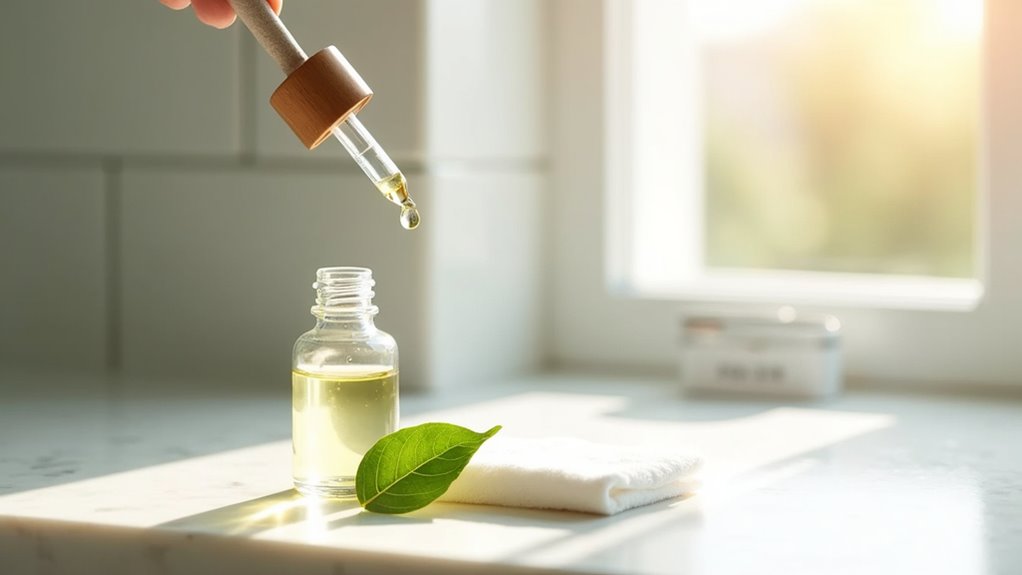
Treating adult warts requires precision and consistency—not random dabbing. Effective tea tree oil application follows a methodical protocol designed to maximize contact time and penetration. The antimicrobial properties make this essential oil a powerhouse against stubborn warts.
- Clean affected area with soap and water, dry thoroughly, then lightly file the wart’s surface with an emery board (discard after use)
- Apply undiluted tea tree oil directly to wart using a cotton swab or toothpick—avoid surrounding skin
- Cover with breathable bandage; leave overnight for maximum wart treatment efficacy
Safe Treatment Methods for Children’s Warts
When dealing with children’s warts, parents must modify standard adult protocols considerably. Children under 12 have sensitive skin requiring diluted natural remedies to prevent irritation.
Create a gentle solution by mixing 10 drops of tea tree oil with 2 teaspoons of apple cider vinegar in a clean bottle. Shake well. Apply to warts twice daily using a cotton ball—avoiding contact with healthy skin. Always cover with a band-aid afterward.
This modified approach respects children’s skin sensitivity while leveraging tea tree oil’s antiviral properties. Results typically appear within 2-5 weeks, depending on wart size and location.
Frequently Asked Questions
Can I Use Tea Tree Oil on Genital Warts?
Genital wart treatment with tea tree oil requires caution. Essential oil safety concerns suggest consulting a healthcare provider before applying tea tree oil to sensitive genital areas due to potential irritation.
Is Tea Tree Oil Safe During Pregnancy?
By coincidence, pregnant women often seek natural remedies. Tea tree oil’s safety during pregnancy remains questionable, with many healthcare providers recommending caution due to limited research on its pregnancy safety.
How Long Does Tea Tree Oil Remain Effective Once Opened?
Tea tree oil typically maintains its efficacy for 1-2 years after opening. Proper storage tips include keeping it in a dark glass container away from direct sunlight. Oil shelf life extends when refrigerated.
Can Tea Tree Oil Treat Plantar Warts on Thick Foot Skin?
Stepping into a world of natural remedies, tea tree oil can effectively penetrate thick foot skin for plantar wart treatment. Its antiviral properties combat HPV while tea tree oil benefits include reducing inflammation during the healing process.
Will Tea Tree Oil Leave Scars After Wart Removal?
When properly applied, tea tree oil typically does not cause scar formation during wart treatment. It works by gradually eliminating the wart tissue rather than burning or damaging surrounding skin.
Conclusion
Like David facing Goliath, tea tree oil stands tall against stubborn warts. This natural warrior delivers antiviral precision where synthetic treatments falter. Apply consistently—four weeks separates defeat from victory. For adults: full strength. For children: dilute with respect. Nature’s pharmacy offers this solution without prescription, side effects, or waiting rooms. The choice is clear: harness tea tree oil’s ancient wisdom and watch your skin reclaim its rightful territory.
About The Author