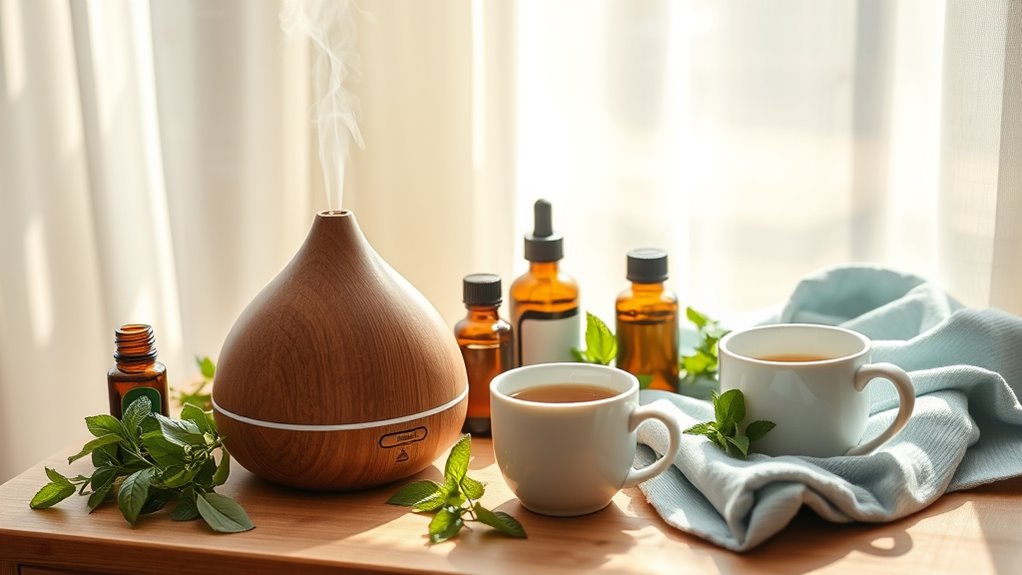
As cold season settles in, more people are turning to essential oils as natural alternatives to over-the-counter medications. These concentrated plant extracts have gained popularity not just for their pleasant aromas, but for their potential therapeutic properties. Research suggests certain oils may help reduce congestion, soothe sore throats, and even shorten the duration of symptoms. Though not a replacement for medical care in severe cases, these natural remedies offer an interesting complement to conventional approaches. What makes these ancient solutions relevant in today’s medicine cabinet?
Some of the links in this article may be affiliate links. If you make a purchase through these links, we may earn a small commission at no extra cost to you. Thank you.
Understanding How Essential Oils Combat Cold Symptoms
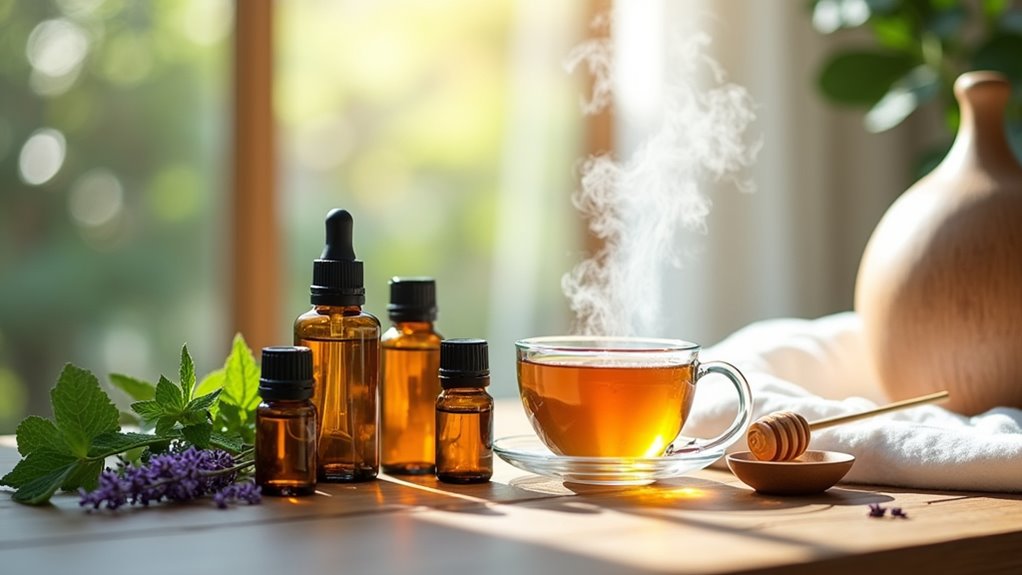
When people reach for essential oils during a cold, they’re actually tapping into centuries-old healing traditions that modern science is beginning to validate.
The therapeutic compounds in these oils work through multiple mechanisms – some break up congestion while others calm inflammation.
Essential oil properties vary widely, but many contain natural antiseptic, antiviral and anti-inflammatory compounds that target cold symptoms at their source.
For instance, eucalyptus disrupts mucus buildup, while lavender might help the body relax enough to promote healing.
Perhaps the most appealing aspect of cold symptom relief through essential oils is their dual action – they often address physical symptoms while supporting the emotional comfort that’s so important during illness.
Top 5 Essential Oils Proven Effective Against Colds
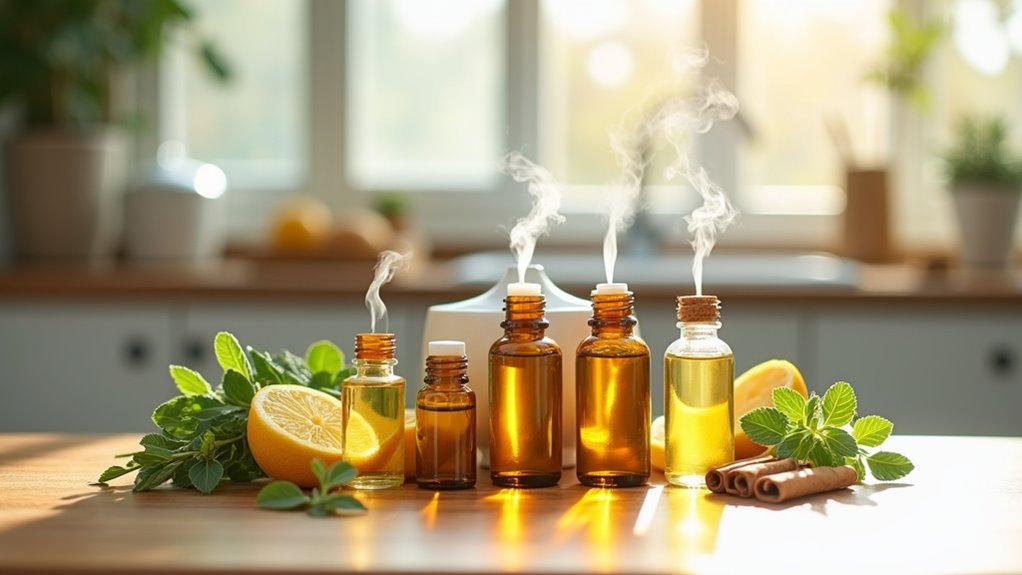
Five essential oils stand out from the rest when it comes to effectively fighting cold symptoms.
Lemon oil boosts the immune system by stimulating white blood cell production, perhaps one of the most direct cold prevention benefits.
Lavender offers both antimicrobial properties and promotes the relaxation needed for recovery.
Sweet orange helps clear congestion with its anti-inflammatory qualities.
Eucalyptus is particularly powerful, I think, as it combines antiviral, antibacterial, and decongestant properties in one essential oil.
Finally, peppermint dissolves thick mucus and opens airways.
These natural options provide multiple essential oil benefits without the side effects of conventional medications.
Practical Application Methods for Maximum Relief
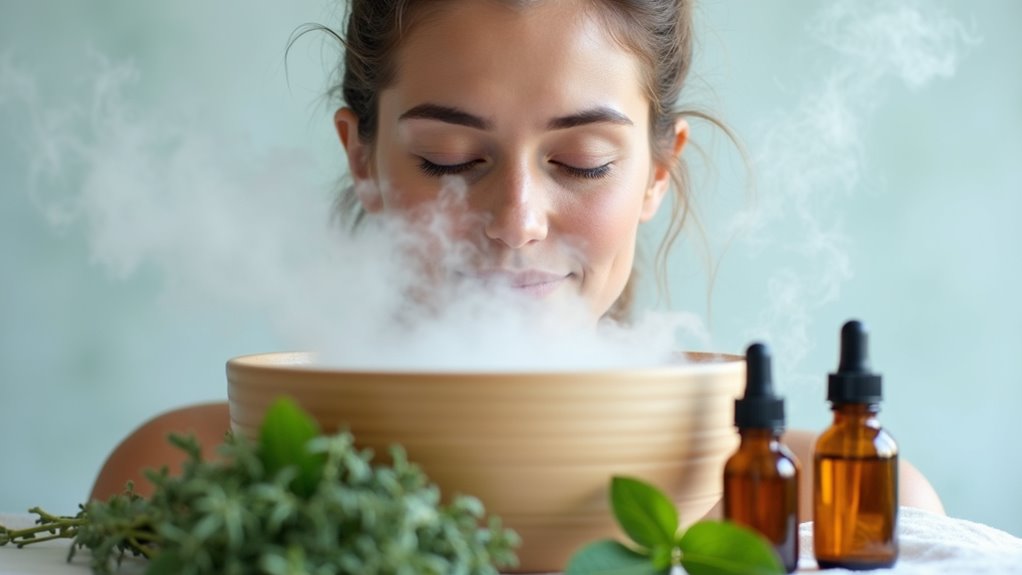
Several practical application methods exist for maximizing the relief potential of essential oils during a cold.
When using these natural remedies, essential oil safety should always be prioritized—diluting properly and testing for sensitivity first.
Perhaps the most effective approaches combine different application techniques for thorough symptom relief.
- Steam inhalation – Add 2-3 drops of eucalyptus or peppermint oil to hot water and inhale deeply.
- Topical chest rubs – Apply properly diluted blends using carrier oils like coconut.
- Diffusion – Disperse oils into the air for continuous respiratory support.
Blending techniques matter greatly.
I think combining complementary oils, like lavender with eucalyptus, often enhances therapeutic benefits while potentially reducing the amount of each individual oil needed.
DIY Essential Oil Recipes for Cold and Congestion Relief
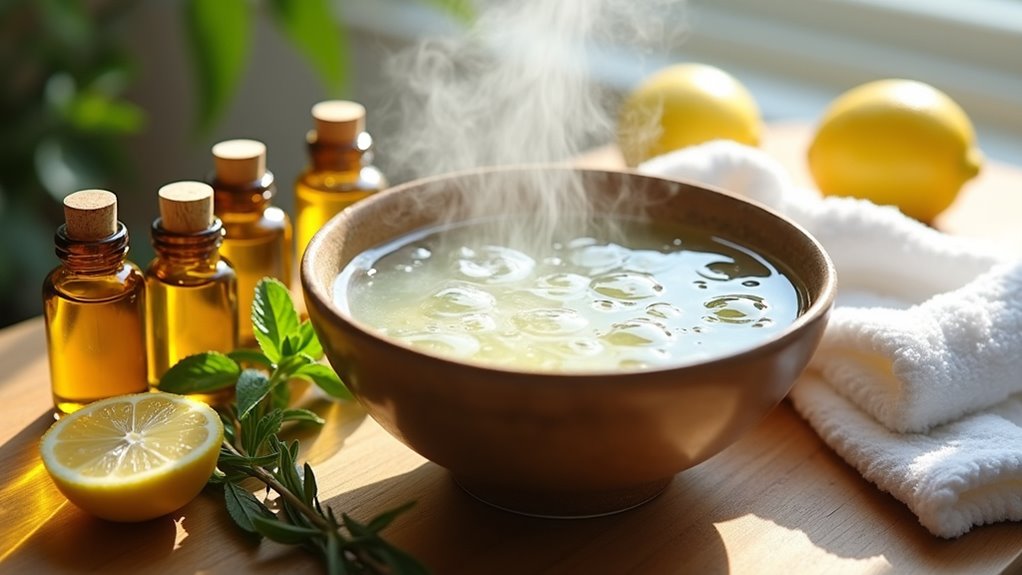
Countless DIY essential oil recipes can effectively target cold and congestion symptoms while providing a natural alternative to over-the-counter medications.
From steam inhalation blends to topical chest rubs, these homemade remedies harness the power of nature’s pharmacy.
For quick relief, many find that combining eucalyptus, lavender, and tea tree oils creates a potent steam inhalation that opens airways almost immediately.
Perhaps the most versatile essential oil blends include eucalyptus and peppermint, which seem to work wonders when incorporated into DIY chest rubs with beeswax and coconut oil as carriers.
These simple yet effective formulations offer comfort while supporting the body’s natural healing processes.
Frequently Asked Questions
Are Essential Oils Safe to Use Around Pets?
Many essential oils pose risks to pets. Pet safety requires extreme caution as cats and dogs are particularly sensitive. Essential oil precautions include keeping diffusers away from animals and consulting veterinarians first.
Can Children Use Essential Oils for Cold Relief?
Essential oil safety for children requires markedly reduced child dosage—typically one-third to one-half the adult amount. Some oils are contraindicated for young children, requiring consultation with healthcare professionals.
How Long Do Essential Oils Remain Effective After Opening?
Essential oils typically maintain effectiveness for 1-3 years after opening. Proper storage tips include keeping them in dark glass bottles away from heat and light to maximize shelf life.
Do Essential Oils Interact With Cold Medications?
Essential oils may interact with cold medications, potentially enhancing or interfering with their effects. Consultation with a healthcare provider regarding medication safety and essential oils interactions is recommended before combined use.
Can Essential Oils Prevent Colds or Only Treat Symptoms?
Research suggests some essential oils have preventive properties through immune support, but they’re better at treating cold symptoms than preventing infection. Oils like lemon may boost immune function when used regularly.
Conclusion
While essential oils offer a natural pathway to cold relief, skeptics may question their effectiveness compared to conventional medications. Yet many find these botanical remedies provide genuine comfort without the drowsiness or side effects of pharmaceuticals. Perhaps the greatest benefit lies in their dual approach—addressing both physical symptoms and emotional wellbeing during illness. By integrating these ancient remedies thoughtfully, we can build a more holistic approach to wellness during cold season.
About The Author