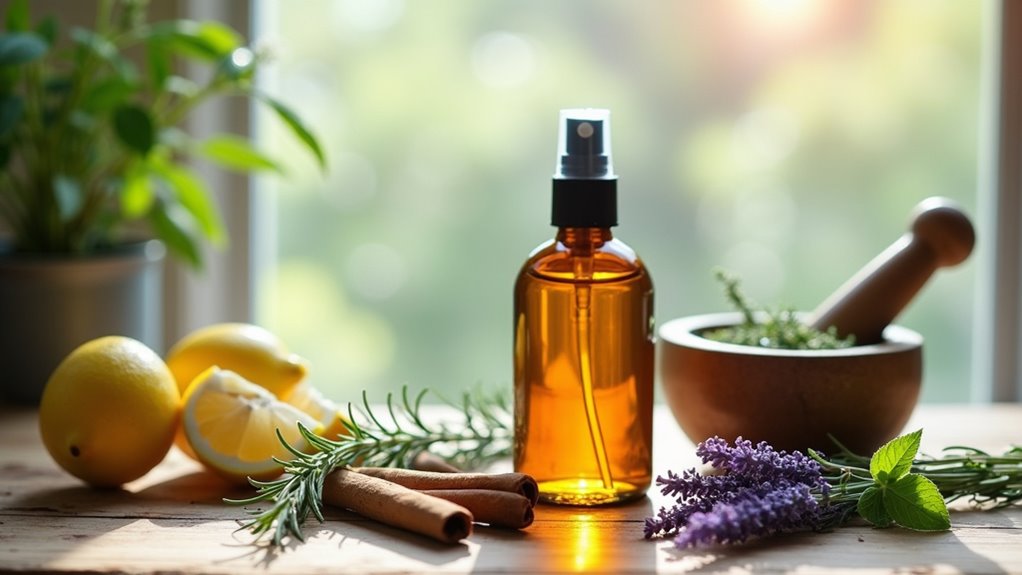
Just yesterday, I noticed my daughter scratching mosquito bites while we unpacked our chemical-filled repellents from the camping trip. You’re probably using similar products, unaware of what’s actually in them. Commercial bug sprays often contain DEET and other synthetic ingredients that might harm your family more than the bugs themselves. I’ve started making my own natural versions with essential oils—they work surprisingly well and don’t leave that awful chemical smell. Maybe it’s time you considered safer alternatives too?
Some of the links in this article may be affiliate links. If you make a purchase through these links, we may earn a small commission at no extra cost to you. Thank you.
The Hidden Dangers of Commercial Bug Repellents
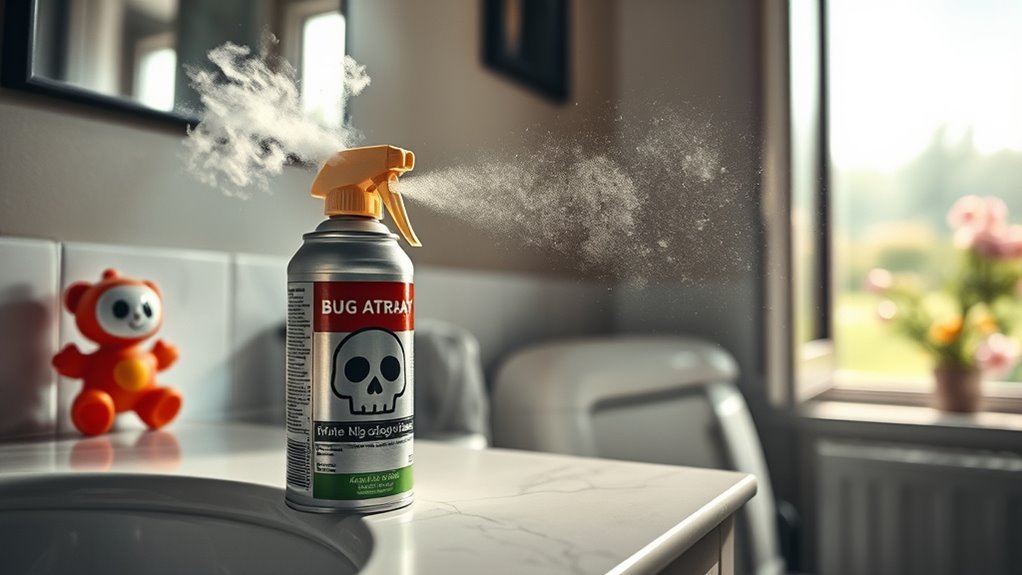
While most of us don’t think twice about spraying commercial bug repellents on our skin, these products often harbor dangerous chemicals that manufacturers don’t prominently advertise. Perhaps the most concerning is DEET, which has been linked to various health problems that I think deserve more attention.
The chemical ingredients in these sprays can cause reactions ranging from skin irritation to more serious neurological issues. Many users aren’t aware that what they’re applying for temporary relief might carry long-term health risks. Your family deserves protection without compromising wellbeing, don’t you think? Additionally, choosing essential oils as a pest control alternative can significantly reduce chemical exposure and promote a safer home environment.
Essential Oils: Nature’s Powerful Bug Fighters
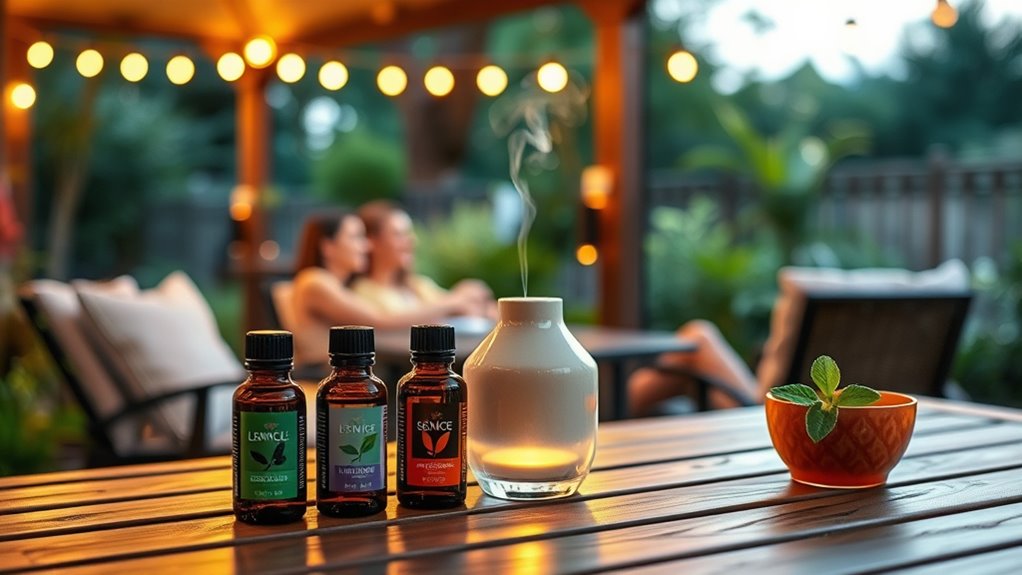
Since ancient times, people have turned to essential oils as a way to keep insects at bay, and for good reason. These concentrated plant extracts offer remarkable bug repellent properties while providing additional health benefits that chemical alternatives simply can’t match. Lavender oil, in particular, is known for its anti-inflammatory properties that can soothe skin irritations caused by insect bites.
| Oil Type | Repels | Duration | Additional Benefits |
|---|---|---|---|
| Citronella | Mosquitoes | 2-3 hours | Uplifting, antiseptic |
| Lavender | Flies, moths | 2-4 hours | Calming, skin healing |
| Peppermint | Ants, spiders | 3-4 hours | Energizing, cooling |
| Eucalyptus | Ticks, mosquitoes | 4+ hours | Respiratory support |
I think you’ll find these natural solutions work surprisingly well, perhaps even better than those harsh chemical sprays you’ve been using.
DIY Natural Bug Spray Recipes You Can Make Today

Ready to put those powerful essential oils to work? Making your own natural bug spray is surprisingly simple, and I think you’ll love creating these herbal blends that actually work!
Combine equal parts distilled water and witch hazel in a spray bottle, then add 15-20 drops of your favorite repellent oils like lemon, eucalyptus, and peppermint. For longer-lasting protection, perhaps try an oil-based version using avocado oil as your base instead.
Don’t forget about spray storage – dark glass bottles work best to preserve the potency of your essential oils. Keep them in a cool place and they’ll serve you all summer long!
Tips for Maximizing Your Natural Bug Spray’s Effectiveness
Even the best natural bug spray won’t work ideally if you’re not applying it correctly! For maximum protection, cover all exposed skin thoroughly and reapply every 2-3 hours, especially after swimming or heavy sweating.
I think proper storage makes a huge difference too. Keep your homemade sprays in dark glass bottles – sunlight can degrade those essential oils pretty quickly. Store in cool places, perhaps your bathroom cabinet rather than a hot car.
And don’t forget to shake before each use! The natural ingredients tend to separate, which might affect those application techniques we’re trying to perfect.
Frequently Asked Questions
Are Natural Bug Sprays Safe for Babies and Pregnant Women?
You should check safety guidelines before using natural sprays on babies or during pregnancy. Some essential oils have ingredient concerns, so consult with healthcare providers about specific formulations first.
How Long Do Homemade Bug Sprays Remain Effective Once Made?
Your homemade bug spray typically lasts 2-3 weeks. Extend its shelf life by storing in a dark glass bottle in a cool place. Shake well before each use.
Can Natural Bug Sprays Repel Ticks and Mosquitoes Carrying Diseases?
Yes, you’ll find natural sprays with effective ingredients like eucalyptus, lemon, and tea tree oil can repel disease-carrying ticks and mosquitoes, contributing greatly to your disease prevention efforts.
Will Essential Oil Sprays Stain or Damage Clothing?
Essential oil sprays typically won’t damage clothing, but some oils can leave stains on delicate fabric types. Dilute properly and test on inconspicuous areas for stain prevention when using oil-based formulas.
Can I Use These Sprays on My Pets?
Like a delicate flower, your pet’s system is sensitive to essential oils. You shouldn’t use these sprays on pets—many essential oils are toxic to animals. Consult your veterinarian about pet-safe alternatives.
Conclusion
You’ve learned so much about natural repellents—now it’s time to take action! Toss those chemical nightmares and embrace the power of essential oils. Your family will thank you a million times over when they’re enjoying bug-free summer evenings without the toxic exposure. Remember, effective protection doesn’t have to come with health risks. Start small if you need to, but I think making the switch today is one of the best gifts you can give your loved ones.
About The Author