
Traveling during the COVID-19 pandemic brings its own set of challenges. It’s not just about packing bags and booking flights anymore. There’s a lot to reflect on—like which places have low case numbers, for example. And then there’s hygiene. I mean, hand sanitizer and masks have become travel essentials. Perhaps it’s also wise to avoid that charming local eatery, just to be safe? It’s a delicate balance, really. How do you navigate these new norms while still enjoying the journey?
Some of the links in this article may be affiliate links. If you make a purchase through these links, we may earn a small commission at no extra cost to you. Thank you.
Plan Your Travel Wisely

When planning travel during the ongoing COVID-19 pandemic, it’s essential to take a moment to reflect on the destinations that have managed to keep their case numbers low.
Travelers should prioritize thorough destination research, looking into current travel restrictions and guidelines. Sometimes, it might feel a bit overwhelming—like, should I really go there? I mean, safety is key, right?
Prioritize destination research and stay informed on travel restrictions to ensure a safe journey.
So, it’s wise to weigh the risks versus the joy of exploring new places. Keeping an eye on changing restrictions and local health situations can guide decisions.
Ultimately, choosing wisely can make all the difference in a safe travel experience.
Prioritize Hand Hygiene
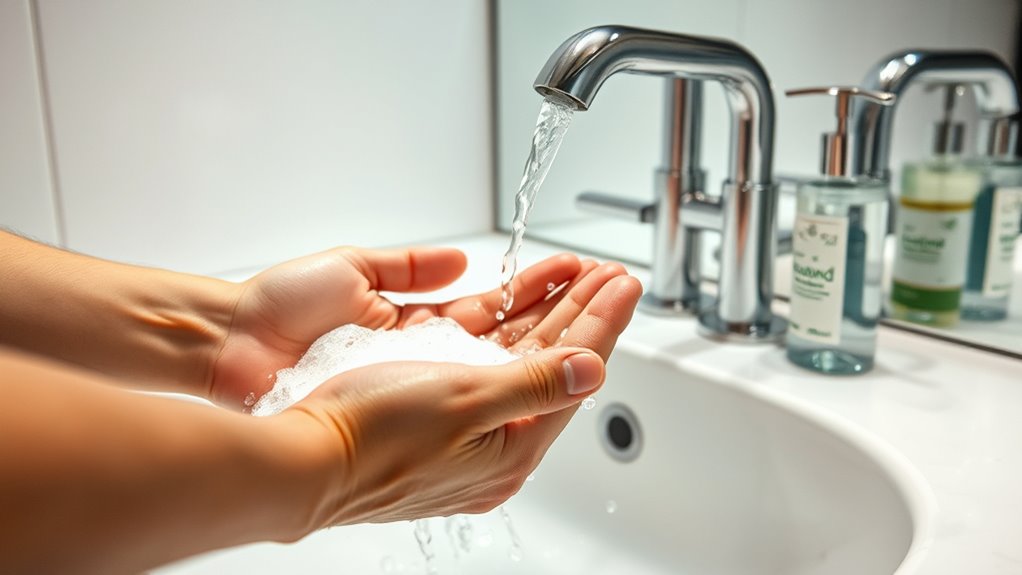
Prioritizing hand hygiene becomes essential during travel, especially in a pandemic context. It’s not just about being cautious; it’s about protecting oneself and others. Frequent hand washing with soap for at least 20 seconds is vital, but when soap isn’t available, hand sanitizer with at least 60% alcohol can be a lifesaver. Remember, touching faces with unwashed hands can lead to infections.
| Action | Recommendation |
|---|---|
| Hand Washing | Wash for 20-30 seconds |
| Hand Sanitizer | Use if soap and water are unavailable |
| High-Touch Surfaces | Wipe down as much as possible |
| Frequency | Wash or sanitize often |
Staying mindful is key.
Use Gloves and Masks for Protection
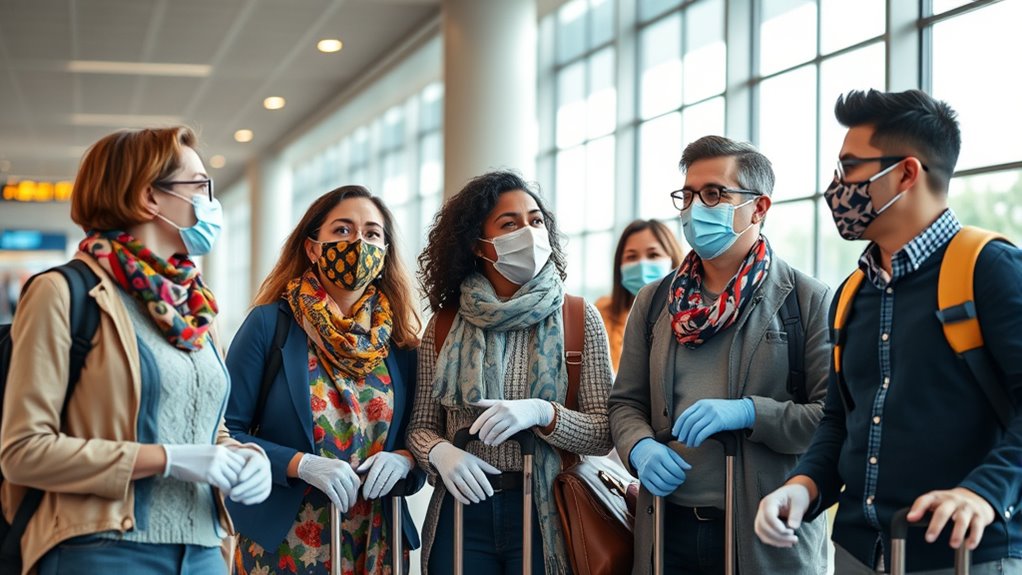
While hand hygiene is a major part of staying safe during travel, it isn’t the only line of defense.
Wearing masks, especially N95 or N99 types, is essential for protecting oneself and others. These masks offer superior filtration against airborne particles, making them a preferred choice.
On the other hand, gloves made from materials like nitrile or latex can minimize direct contact with contaminated surfaces. It’s important, perhaps surprisingly, to discard them properly after use.
Carrying antibacterial wipes can also help, just to be safe.
All these measures combined create a stronger shield against potential exposure during travels.
Avoid External Food and Water Sources
Steering food and water choices while traveling can be a bit tricky, especially in the context of COVID-19.
It’s perhaps safest to avoid external food sources altogether. Instead, meal preparation at home can guarantee better hygiene. Packing well-stored meals not only reduces infection risks but also saves money.
Reusable water bottles filled with safe water are a smart choice, too. If one must buy bottled water, it’s wise to disinfect the outside before use.
While it may feel limiting, these precautions can provide peace of mind, allowing travelers to focus on enjoying their journey without unnecessary worry.
Implement Vital Safety Measures
Implementing critical safety measures during travel has become an essential part of the journey, especially in the context of the ongoing pandemic.
Implementing essential safety measures during travel is crucial, particularly in light of the ongoing pandemic.
For those traveling solo or booking accommodations, it’s important to stay prepared.
- Always carry personal pillows for hygiene and comfort.
- Avoid booking connecting flights to minimize airport exposure.
- Opt for window seats to limit movement during travel.
- Use disinfectant spray in public restrooms and sanitize hands afterward.
- Keep sanitizer, disinfectant wipes, and a mask handy; washing hands and clothes upon arrival is necessary.
These simple steps can greatly enhance safety and peace of mind while traveling.
Frequently Asked Questions
What Should I Do if I Experience COVID-19 Symptoms While Traveling?
If one experiences symptoms while traveling, they should prioritize symptom management and seek local healthcare immediately. Identifying nearby medical facilities guarantees timely assistance and minimizes risks to oneself and others during the journey.
Are There Specific Travel Insurance Policies for COVID-19 Related Cancellations?
Travelers should explore various policy options that include COVID coverage, as many insurers now offer specific plans addressing pandemic-related cancellations. Understanding these policies can considerably aid in making informed travel decisions during uncertain times.
How Can I Stay Updated on Travel Restrictions for My Destination?
To navigate the ever-changing landscape of travel, one must stay informed through travel alerts and destination guidelines, ensuring awareness of regulations that may affect plans, thereby fostering peace of mind during uncertain times.
What Should I Do With Used Masks and Gloves While Traveling?
When considering mask disposal methods, it is vital to practice safe handling. Used masks and gloves should be placed in sealed bags before discarding them in designated waste bins to prevent contamination and guarantee public safety.
Is It Safe to Travel With Children During the Pandemic?
In a world painted with caution, family travel requires careful consideration. Child safety hinges on evaluating risks, choosing low-exposure destinations, and practicing diligent hygiene. Parents must weigh the benefits against potential dangers before commencing on adventures.
Conclusion
In traversing travel during these uncertain times, individuals must balance caution with adventure. They should embrace preparation while staying flexible, prioritize safety while savoring experiences, and remain informed while trusting their instincts. The goal is not just to reach a destination but to arrive safely and fully engaged. Ultimately, it’s about finding joy in the journey while respecting the challenges that come with it. So, perhaps, with a bit of planning and care, travel can still be a rewarding experience.
About The Author
