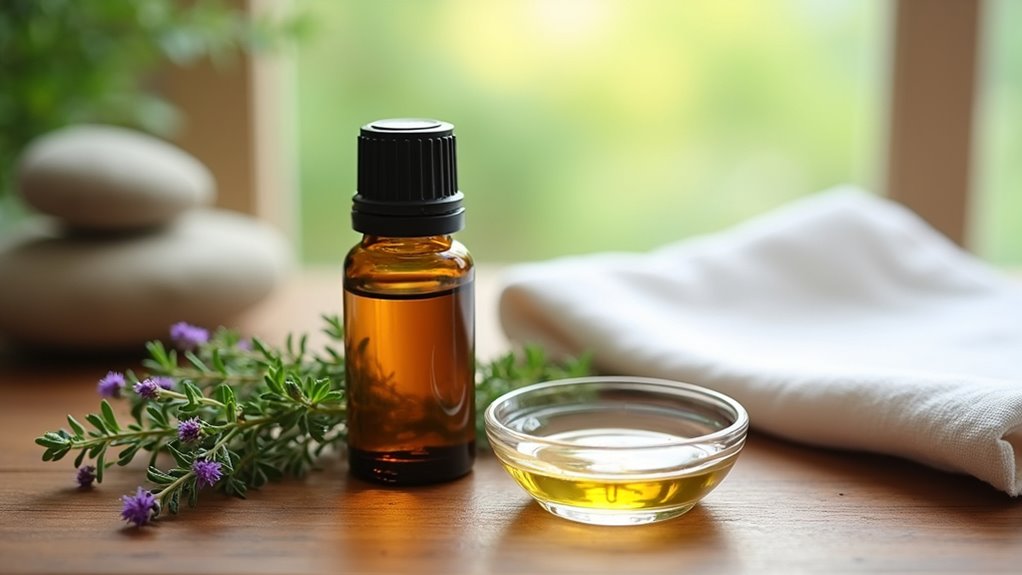
Thyme essential oil transcends its culinary roots as a medicinal powerhouse. Research confirms its efficacy against respiratory pathogens and cardiovascular challenges through potent antimicrobial and anti-inflammatory mechanisms. Its thymol content disrupts bacterial membranes while simultaneously improving arterial function. Cancer researchers now explore its apoptotic properties against malignant cells. The applications extend beyond theoretical benefits—practical uses from steam inhalation to topical treatments offer accessible healing. The science behind this ancient remedy continues to surprise modern medicine.
Some of the links in this article may be affiliate links. If you make a purchase through these links, we may earn a small commission at no extra cost to you. Thank you.
The Healing Power of Thyme for Respiratory Health

When respiratory ailments strike, thyme essential oil emerges as a potent natural remedy with remarkable therapeutic properties. Its primary component, thymol, delivers unmatched effectiveness against bacterial infections that commonly plague the respiratory system.
Thyme acts as a natural expectorant—clearing nasal passages, expelling phlegm, and restoring respiratory comfort. Stubborn coughs? Apply diluted oil to the chest. Congestion? Add drops to steaming water for inhalation.
Research confirms thyme’s ability to improve breathing airway functionality while reducing respiratory spasms. Smart patients keep this botanical powerhouse in their medicine cabinet. Winter’s coming—be prepared.
Thyme Essential Oil as a Natural Defender Against Bacteria
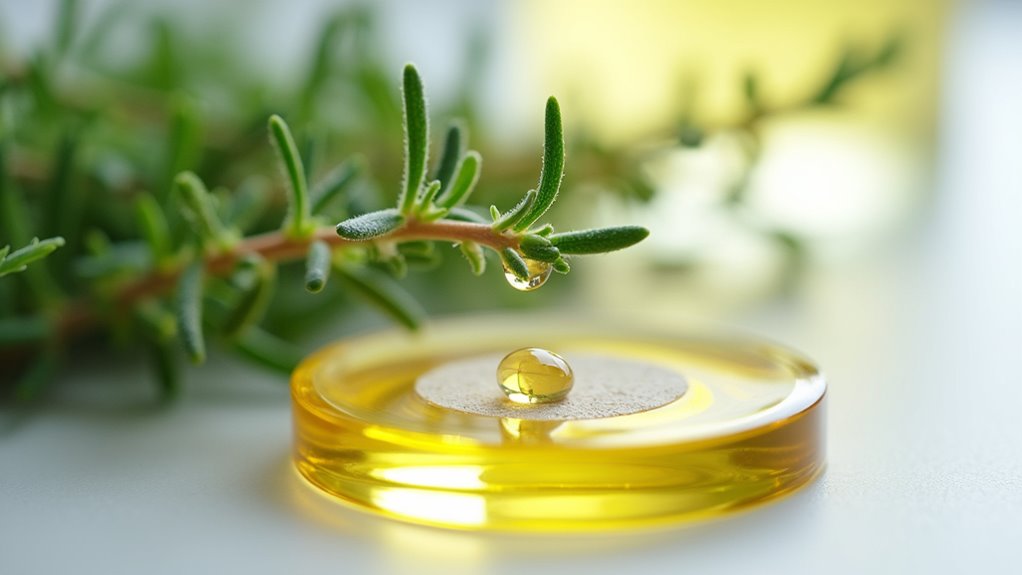
Among the arsenal of natural antimicrobials, thyme essential oil stands as a formidable opponent against harmful bacteria. Its potent thymol and carvacrol compounds disrupt bacterial cell membranes, rendering pathogens defenseless. The antimicrobial properties of thyme make it invaluable across multiple applications.
| Bacteria Type | Effectiveness | Common Thyme Applications |
|---|---|---|
| Respiratory | High | Steam inhalation, chest rubs |
| Skin | Very High | Topical solutions, acne treatment |
| Digestive | Moderate | Diluted oral preparations |
| Antibiotic-resistant | Notable | Supporting conventional treatments |
Research confirms thyme properties extend beyond simple disinfection—they target specific bacterial mechanisms while generally sparing beneficial flora. Essential for any natural medicine cabinet.
Supporting Cardiovascular Wellness With Thyme Oil

While thyme oil excels at bacterial defense, its heart-supporting properties deserve equal attention. This powerful botanical agent promotes smooth blood flow, directly reducing tension on the cardiovascular system.
Research indicates thyme oil may be valuable for blood pressure management. Its therapeutic aroma triggers relaxation responses that counteract stress—a notorious contributor to hypertension. The oil’s natural compounds support arterial function and circulation.
For ideal heart health benefits, users typically add a few drops to diffusers or dilute with carrier oils for topical application. Remember: consistent, properly-dosed use yields best results. The cardiovascular system responds particularly well to thyme oil’s unique biochemical profile.
Harnessing Thyme’s Potential in Cancer Research
Emerging studies reveal thyme essential oil‘s promising role in the fight against cancer. Research indicates specific thyme compounds may inhibit the proliferation of cancer cells, particularly in breast, colon, and ovarian cancers.
Laboratory findings suggest thyme’s bioactive components can reduce tumor growth and potentially induce apoptosis in malignant cells. Scientists are investigating these properties for complementary cancer therapy applications.
While not a replacement for conventional treatments, thyme oil represents a fascinating frontier in natural compound oncology research. Its ability to target cancer cells while exhibiting minimal toxicity to healthy cells makes it particularly valuable for ongoing investigation.
Frequently Asked Questions
Can Thyme Essential Oil Be Used During Pregnancy?
Pregnant women should approach thyme oil with caution. Pregnancy precautions advise consulting healthcare providers before using essential oils, as thyme oil safety concerns include potential uterine stimulation effects during pregnancy.
How Should Thyme Oil Be Diluted for Topical Application?
Thyme oil should be diluted at 1-2% dilution ratios for topical use. This typically means mixing 6-12 drops per ounce of carrier oils like jojoba, coconut, or almond oil.
Does Thyme Oil Interact With Prescription Medications?
Like a key seeking the wrong lock, thyme oil interactions with medications can occur. Prescription safety concerns include potential interference with blood thinners, blood pressure medications, and certain hormone therapies.
Can Children Safely Use Thyme Essential Oil Products?
Children’s safety with thyme essential oil requires dilution and caution. Thyme dosage should be markedly reduced for children, and it’s advisable to consult a healthcare provider before use.
How Long Does Thyme Essential Oil Remain Effective After Opening?
Nearly 90% of essential oils maintain potency when properly stored. Thyme essential oil typically has a 1-3 year shelf life after opening. Storage tips include keeping bottles tightly closed, away from heat and light.
Conclusion
Thyme essential oil stands as nature’s pharmacy in a bottle—powerful yet profoundly versatile. From clearing congested airways to fortifying heart function, this potent extract delivers therapeutic benefits that modern medicine often struggles to replicate without side effects. Research continues revealing its cancer-fighting properties, expanding its already impressive application spectrum. Don’t relegate this botanical powerhouse to kitchen duty; integrate it strategically into your wellness protocol for maximum health dividends.
About The Author