
Hospital environments strip away comfort and control. Essential oils offer a powerful countermeasure. These concentrated plant extracts transform sterile spaces with familiar aromas and therapeutic benefits. Evidence shows properly applied oils reduce anxiety, manage pain, and improve sleep quality—even in clinical settings. Smart patients prepare personalized blends before admission. Medical staff increasingly recognize their value as complementary care tools. The right oils can mean the difference between enduring a hospital stay and actively shaping the experience.
Some of the links in this article may be affiliate links. If you make a purchase through these links, we may earn a small commission at no extra cost to you. Thank you.
Essential Oils as Natural Comfort During Hospital Stays
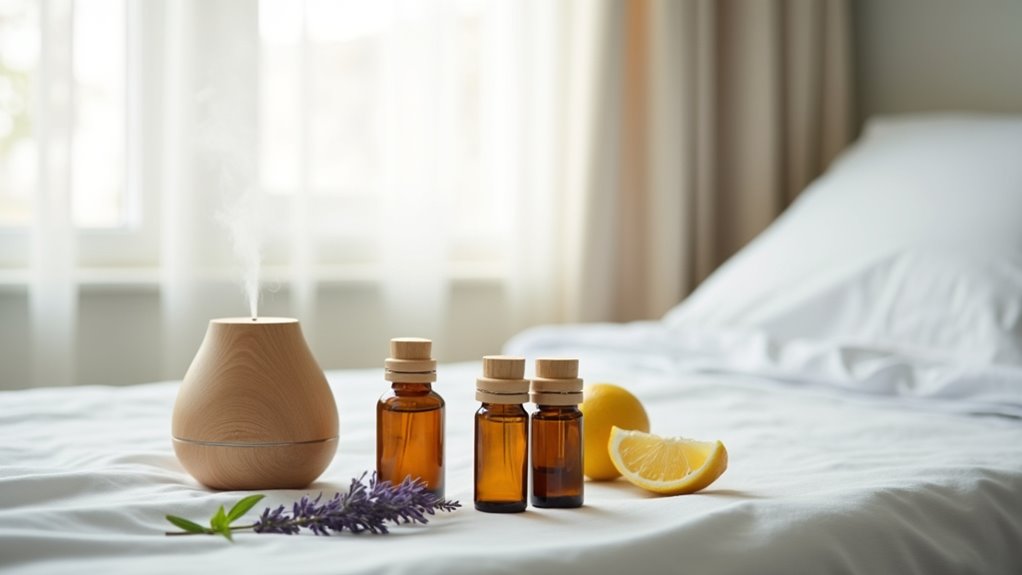
When hospital stays become inevitable, essential oils emerge as powerful allies for creating a more natural, comforting environment. These concentrated plant extracts deliver aromatherapy benefits beyond mere pleasant scents—they actively reduce stress and ease pain during critical moments like childbirth.
Smart patients pack oils beforehand. No last-minute scrambling. Diffuse lavender for instant calm or apply diluted oils topically for targeted relief. The emotional support provided by familiar scents transforms sterile hospital rooms into more personalized spaces.
Remember: preparation eliminates panic. Hospital environments feel less clinical when infused with nature’s pharmacy.
Must-Have Items for Your Hospital Bag

Packing the perfect hospital bag requires strategic planning, not last-minute chaos. Proper preparation guarantees comfort during labor and postpartum recovery. Hospital essentials should balance necessity with practicality.
- Comfortable clothing – Pack loose pajamas, a nursing-friendly top, and an outfit for heading home
- Documentation – Insurance papers and medical records must be accessible immediately
- Personal care items – DIY essential oil deodorant, toothpaste, and mouthwash beat hospital-provided options
- Newborn necessities – Several outfits in different sizes accommodate unexpected growth variations
These packing tips maximize comfort while minimizing hospital stress. Think minimal but multipurpose.
Top 5 Essential Oils to Support Labor and Delivery

Five essential oils stand out as labor and delivery game-changers, transforming the hospital experience from clinical to comforting. Marjoram delivers immediate relief from contractions—apply directly to lower back for maximum effect. Lavender? Non-negotiable for anxiety management. Peppermint provides that vital energy boost when fatigue hits hardest. Frankincense tackles the emotional rollercoaster while simultaneously easing physical discomfort. Wild Orange completes any labor support arsenal with mood-elevating properties.
Smart laboring women prepare essential oil blends in advance: combine two drops each in fractionated coconut oil for instant application during contractions. Don’t improvise during labor—prepare now.
Safety Guidelines and Precautions for Using Essential Oils
Although essential oils offer powerful benefits during labor, certain varieties demand extreme caution during pregnancy. Proper essential oil safety knowledge prevents complications and guarantees ideal outcomes.
- Avoid clary sage and ylang ylang – These oils can trigger premature contractions
- Dilute all oils properly – Never apply undiluted oils to sensitive skin
- Test before hospital day – Verify no adverse reactions occur
- Consult healthcare providers – Always inform your medical team about oil usage
Pregnancy precautions extend beyond obvious contraindications. Smart usage means respecting potency. Remember: powerful tools require educated handling. Your body—and baby—deserve nothing less.
Frequently Asked Questions
How Should Essential Oils Be Stored in a Hospital Bag?
Essential oils should be stored in small, leak-proof storage containers to prevent spillage. Verify bottles are tightly sealed to maintain oil shelf life during hospital stays.
Can Hospital Staff Object to Essential Oil Use During Labor?
In the roller coaster world of childbirth, hospital staff can indeed object to essential oil use. Most facilities have specific hospital policies regarding essential oil safety to protect all patients and staff.
Are Diffused Essential Oils Safe for Newborns in the Room?
Most essential oils should be used cautiously around newborns. Diffused oils require proper ventilation and minimal exposure time for newborn safety. Consulting healthcare providers about essential oil safety is recommended.
How Can Partners Use Essential Oils to Support During Delivery?
Partners can provide emotional support during delivery by applying lavender oil for its calming effects, massaging marjoram to ease contractions, or offering frankincense to soothe emotions and labor pains.
Do Essential Oils Interact With Pain Medications During Childbirth?
While concern exists, proper essential oil usage alongside traditional pain medications is generally considered safe. Patients should inform healthcare providers about any oils used to guarantee medication safety and ideal pain relief during childbirth.
Conclusion
Essential oils transform sterile hospital environments into sanctuaries of healing. Pack these powerful plant allies alongside medical necessities—they’ll work miracles when conventional comfort measures fall short. Used correctly, they support your body’s natural processes while creating psychological safety. The difference between a traumatic hospital stay and a manageable one often comes down to these tiny bottles of concentrated nature. Hospitals heal bodies; essential oils restore humanity to the experience.
About The Author
