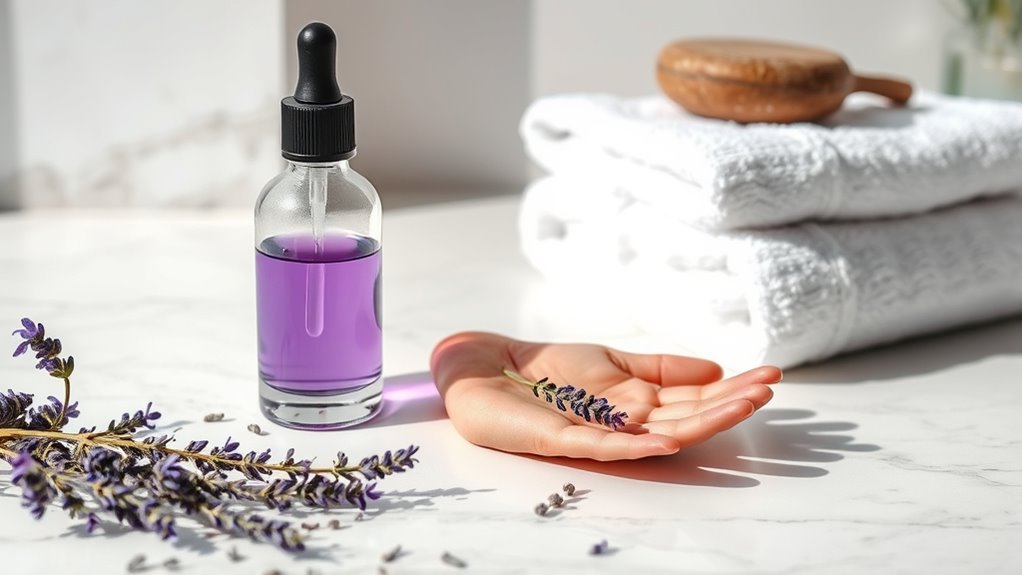
Lavender oil might just be the unsung hero of massage therapy. Its calming aroma and therapeutic properties have been appreciated across cultures for centuries, yet many still overlook its potential. Therapists note how it deepens relaxation while simultaneously addressing specific concerns like headaches or muscle tension. Perhaps what’s most interesting is how the oil seems to create a more connected experience between giver and receiver. The simplicity of adding a few drops transforms an ordinary massage into something profoundly different.
Some of the links in this article may be affiliate links. If you make a purchase through these links, we may earn a small commission at no extra cost to you. Thank you.
The Ancient History and Benefits of Lavender Essential Oil
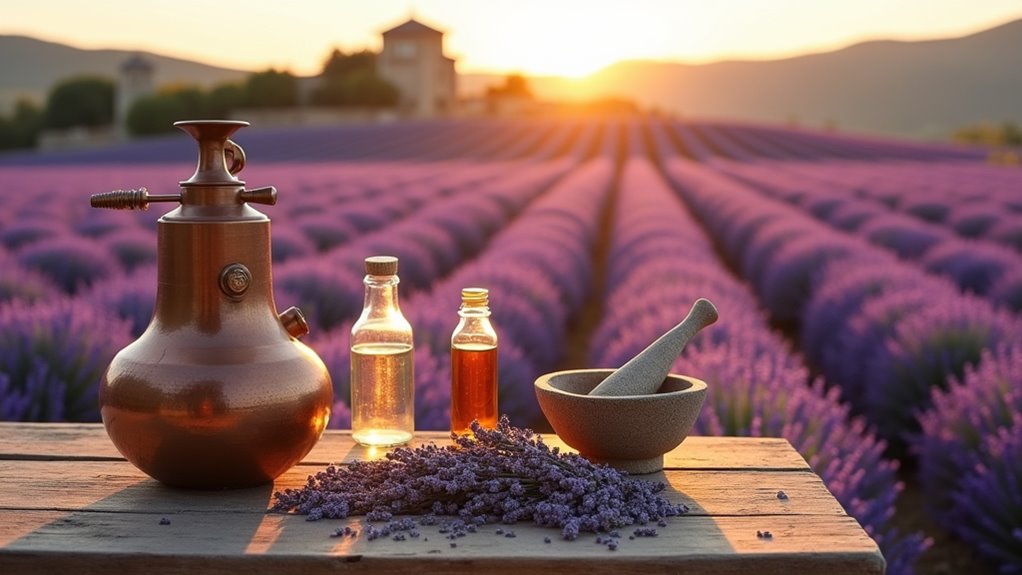
While lavender oil is commonly found in modern wellness stores, its rich history dates back thousands of years to ancient civilizations that recognized its remarkable properties. The Romans, perhaps most famously, incorporated lavender into their bathing rituals and massage practices, understanding its ability to both cleanse and calm.
Throughout the centuries, lavender cultivation spread across Europe, becoming particularly popular in the 18th century for various applications. Historical uses of lavender oil ranged from perfumery to healing wounds—a reflection of its versatility.
I think what’s most fascinating is how these ancient wellness traditions have endured, with modern massage therapy still embracing lavender’s timeless benefits.
Creating Your Perfect Lavender Massage Blend
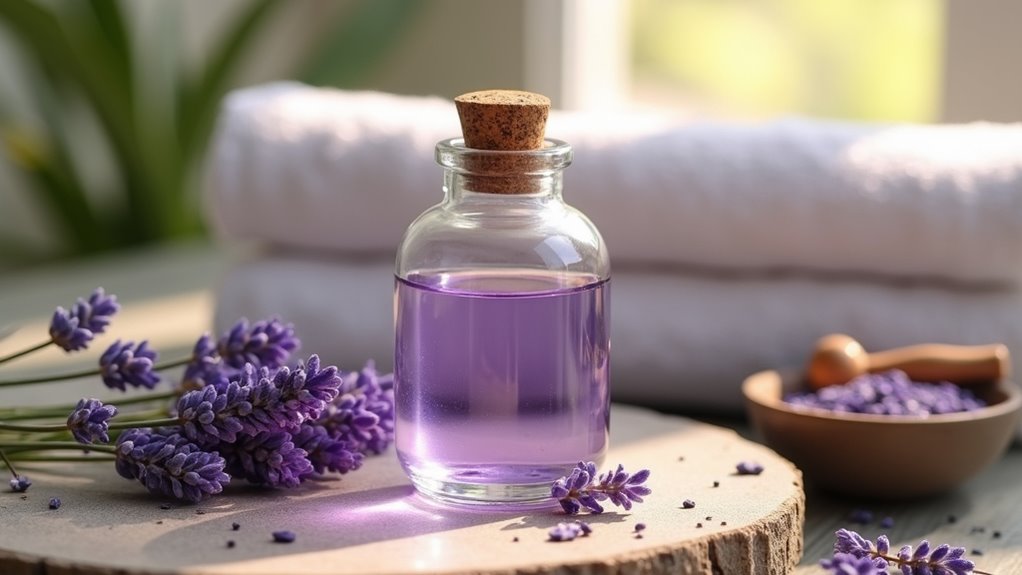
When crafting a personal massage blend with lavender essential oil, finding the right balance of complementary oils makes all the difference in achieving the desired therapeutic effects.
The process involves experimenting with scent combinations until discovering what works best for individual needs.
Embrace the journey of scent exploration to find your perfect aromatic harmony for personal wellness needs.
For custom blends, consider pairing lavender with rose and geranium for facial massages, or perhaps with chamomile for headache relief.
The carrier oil matters too—sweet almond oil provides different skin benefits than sunflower oil.
Remember that personal preference plays a significant role. What smells heavenly to one person might feel overwhelming to another, so adjustments are often necessary when creating your perfect lavender massage blend.
Step-by-Step Guide to a Relaxing Lavender Massage
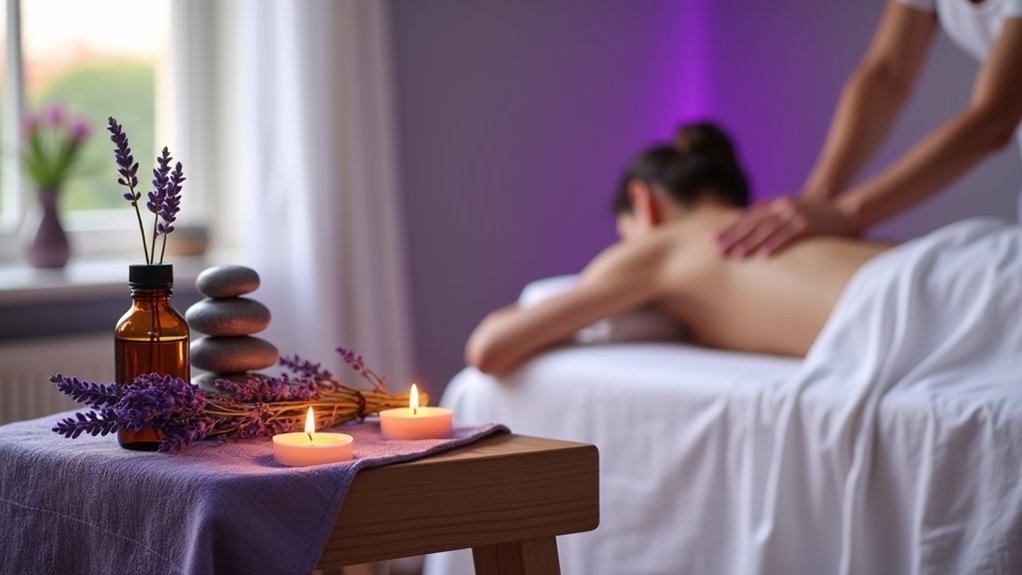
Preparing a lavender massage requires attention to detail and an environment conducive to relaxation. Begin by dimming lights, perhaps playing soft music, and warming the room slightly.
Essential oil safety is paramount – always dilute lavender properly in your carrier oil before application.
Start with gentle, sweeping massage techniques across the back, gradually increasing pressure on tense areas. I think circular motions work particularly well for shoulders. Allow the oil to absorb while maintaining consistent contact.
Remember to check in about pressure comfort, and don’t rush the experience. The therapeutic benefits emerge when both parties are fully present in the moment.
Beyond Relaxation: Therapeutic Applications of Lavender Massage
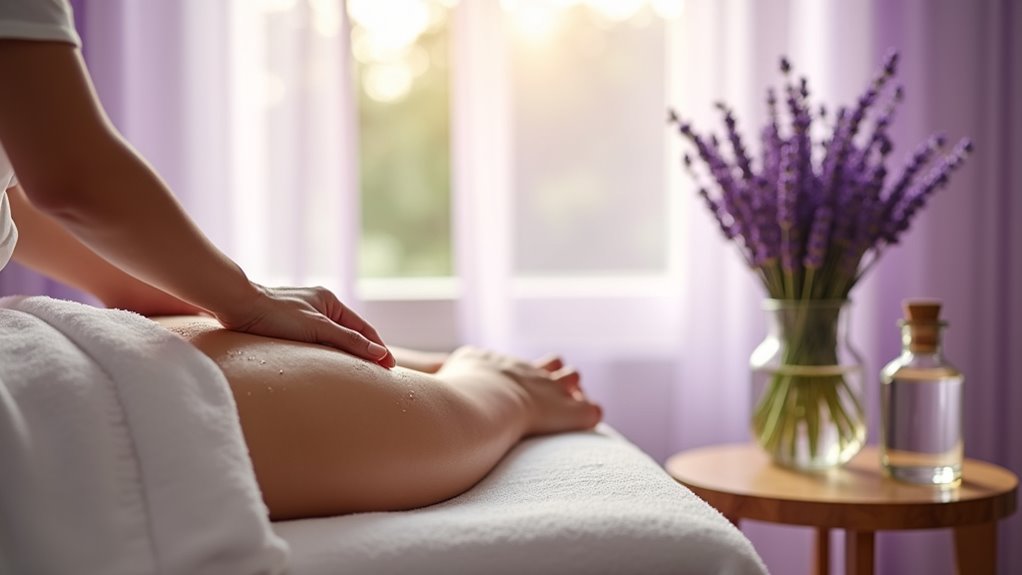
The therapeutic applications of lavender massage extend far beyond simple relaxation, entering the domain of legitimate health interventions. When combined with skilled touch, lavender oil can provide significant pain relief for those suffering from tension headaches, muscle soreness, or joint discomfort.
Perhaps most impressive is lavender’s effect on skin rejuvenation. The oil’s natural properties stimulate cell growth and improve circulation, which may help reduce the appearance of scars and promote healing of minor skin irritations.
I think this is why many therapists incorporate lavender-based treatments for clients with specific skin concerns. These applications make lavender massage not just a luxury, but a practical therapeutic option worth considering.
Frequently Asked Questions
How Long Does Lavender Oil Remain Effective After Opening?
Properly stored lavender essential oil typically remains effective for 1-2 years after opening. Oil shelf life can be extended with proper storage tips including tight caps, cool temperatures, and protection from light.
Can Lavender Oil Stain Clothes or Bedding?
Beware the hidden risk: lavender oil can indeed stain clothes and bedding. Undiluted oil typically causes more pronounced staining on fabrics. Proper fabric care includes immediate treatment of spills to prevent permanent marks.
Is Lavender Massage Safe During Pregnancy?
Lavender essential oil safety during pregnancy requires caution. While some consider it among safer options, pregnant women should always consult healthcare providers regarding appropriate dilution ratios and pregnancy precautions before use.
How Frequently Can Lavender Massage Be Done Safely?
Like a gentle tide bringing renewal, lavender massage can be safely enjoyed 1-2 times weekly for ideal frequency. Regular sessions maximize lavender benefits without overwhelming the body’s sensory systems.
Can Lavender Oil Cause Allergic Reactions in Sensitive Individuals?
Lavender oil sensitivity can occur in some individuals, potentially causing allergic dermatitis. A patch test is recommended before full application, especially for those with known sensitivities to botanical products.
Conclusion
Incorporating lavender oil into massage therapy opens a garden of possibilities for both healing and relaxation. Like a gentle stream carving its path through tension, lavender’s essence works deep within the body and mind, creating harmony where discord once resided. Perhaps the true magic of this purple flower isn’t just in its chemistry, but in the way it transforms a simple touch into a journey of wellness that lingers long after the massage ends.
About The Author
