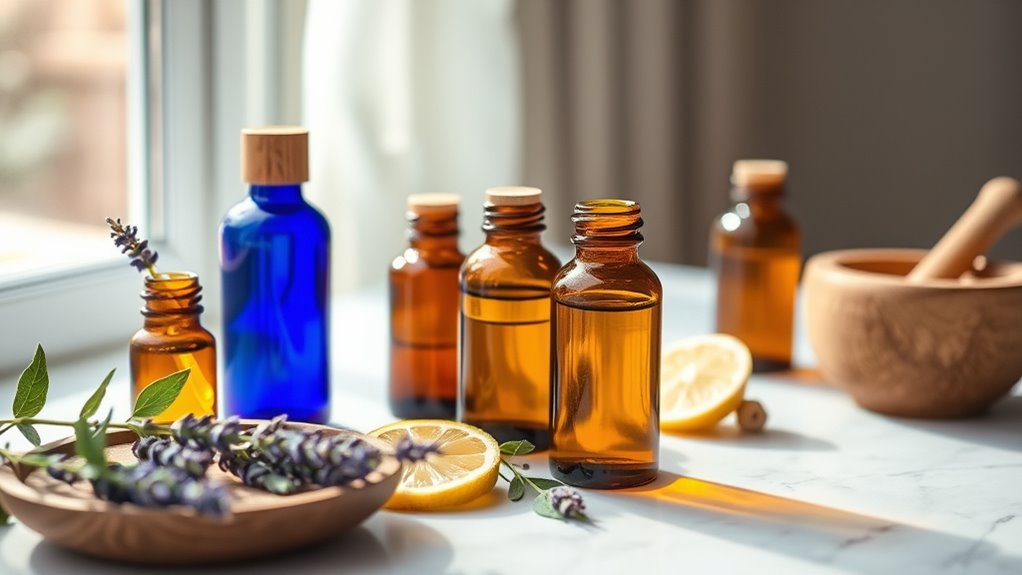
Essential oils offer more than just pleasant scents. These concentrated botanical extracts have been used across civilizations for thousands of years, perhaps because their therapeutic properties seem to address both physical and emotional wellness. Modern research has started to confirm what traditional healers already knew—these potent plant compounds can reduce stress, improve sleep, and even fight certain infections. Though not a replacement for conventional medicine, many people find them to be valuable complements to their health routines. What exactly makes them so special?
Some of the links in this article may be affiliate links. If you make a purchase through these links, we may earn a small commission at no extra cost to you. Thank you.
Essential Oil Origins and Extraction Methods
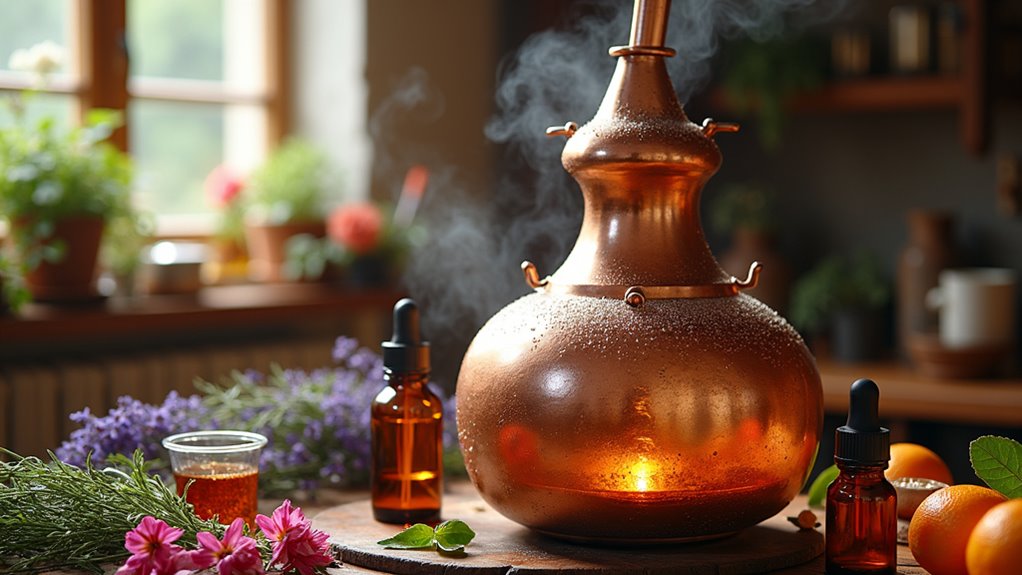
Nearly all essential oils originate from specific parts of plants, where they serve as natural protective mechanisms against pests, diseases, and harsh environmental conditions.
Throughout oil history, these aromatic compounds have been extracted for medicinal and spiritual purposes dating back thousands of years to ancient Egypt and China.
The ancient wisdom of essential oils spans millennia, with roots deeply embedded in the healing traditions of Egyptian and Chinese civilizations.
Modern extraction techniques have evolved considerably, I think, while still honoring traditional methods.
Steam distillation remains perhaps the most common approach, though cold pressing works better for citrus oils.
Some producers also use solvent extraction or CO2 extraction for delicate flowers.
Each method preserves different aspects of the plant’s therapeutic properties, yielding slightly different chemical profiles.
Top 10 Therapeutic Essential Oils for Beginners
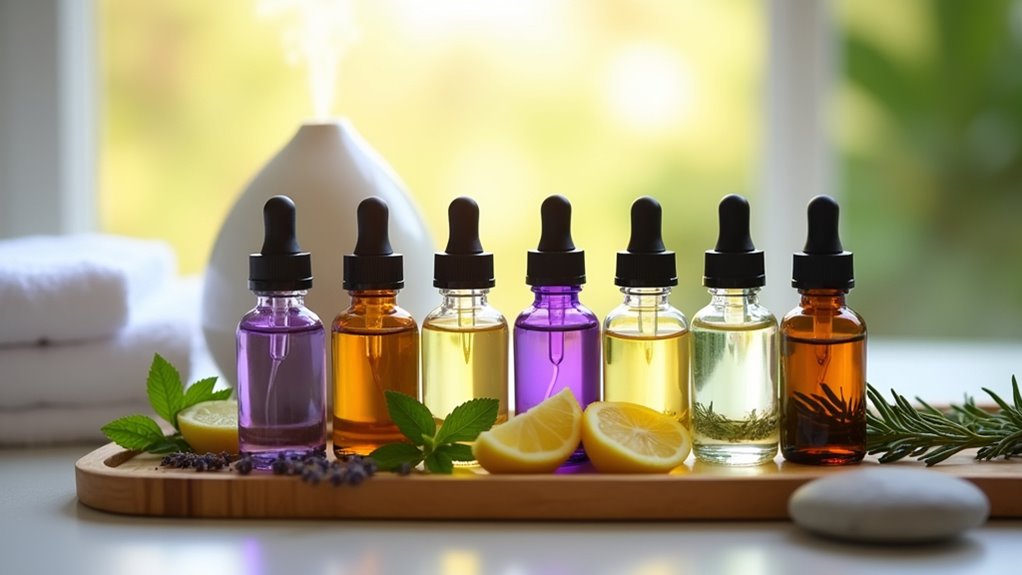
For new aromatherapy enthusiasts, ten essential oils stand out as particularly beneficial starting points in the journey toward natural wellness.
These foundational oils offer a range of essential oil benefits while being generally well-tolerated when proper essential oil safety guidelines are followed.
Perhaps the most versatile options include lavender, peppermint, and tea tree—though frankincense and lemon certainly deserve consideration too.
- Lavender soothes anxiety and promotes sleep
- Peppermint relieves headaches and improves focus
- Tea tree fights bacterial infections and skin conditions
When starting out, it’s probably best to purchase small quantities first, testing each oil’s effects on your specific needs before expanding your collection.
Applications and Usage Techniques for Maximum Benefits
While essential oils offer numerous health benefits, understanding the proper applications and usage techniques remains crucial for achieving maximum therapeutic value.
Different methods yield varying results, so matching the right technique to your wellness goals is imperative.
The most common application techniques include diffusion for aromatherapy benefits, topical application (always diluted with carrier oils), and occasionally internal use (though this requires extreme caution, I think).
Each method delivers the therapeutic compounds differently.
Perhaps the most important usage guideline is consistency.
Regular, proper application often yields better results than sporadic use, especially when addressing chronic concerns or pursuing preventative wellness.
Creating Custom Blends for Specific Health Concerns
Creating custom blends of essential oils provides a powerful way to target specific health concerns with personalized therapeutic combinations. When crafting these blends, consider both the therapeutic properties and aromas that work harmoniously together.
Essential oil blending merges therapeutic properties with complementary aromas to create personalized solutions for specific health concerns.
Perhaps the most effective approach is to select a primary oil addressing the main concern, then add supporting oils to enhance its effects or address related symptoms.
- For respiratory issues, try eucalyptus with tea tree and peppermint
- Stress reduction blends often combine lavender, bergamot, and frankincense
- Pain management might benefit from marjoram, ginger, and black pepper combinations
Custom oil combinations allow for health condition targeting that’s uniquely suited to individual needs.
Frequently Asked Questions
How Long Do Essential Oils Remain Effective After Opening?
Most essential oils maintain effectiveness for 1-3 years after opening. Proper storage tips include keeping them in dark glass containers away from heat and light to maximize shelf life.
Can Essential Oils Interact With Prescription Medications?
Essential oil interactions with medications are possible. Some oils can amplify or reduce medication effectiveness, potentially causing unexpected side effects. Consulting healthcare providers before combining oils with prescriptions is advisable.
Are Organic Essential Oils Significantly Better Than Non-Organic Options?
When push comes to shove, organic essential oils may offer benefits through higher oil purity and fewer pesticide residues, though research showing significant therapeutic advantages remains limited.
What’s the Difference Between Essential Oils and Fragrance Oils?
Essential oils are plant-derived extracts with therapeutic properties, while fragrance oils are synthetic compounds created primarily for scent. Unlike fragrance oils, essential oils contain natural healing compounds from their source plants.
How Can I Test for Allergic Reactions to Essential Oils?
Could an innocent essential oil trigger an unexpected reaction? To test for allergic reactions, perform a skin patch test by applying a diluted oil to a small area and monitoring for sensitivity over 24 hours.
Conclusion
As science continues to validate what ancient healers understood intuitively, essential oils stand at a fascinating crossroads of tradition and modern wellness. Their mysteries aren’t fully unraveled—perhaps they never will be. Yet those who venture into this aromatic world often find something unexpected: relief, balance, transformation. What healing potential might be waiting in that small amber bottle on your shelf, still undiscovered?
About The Author