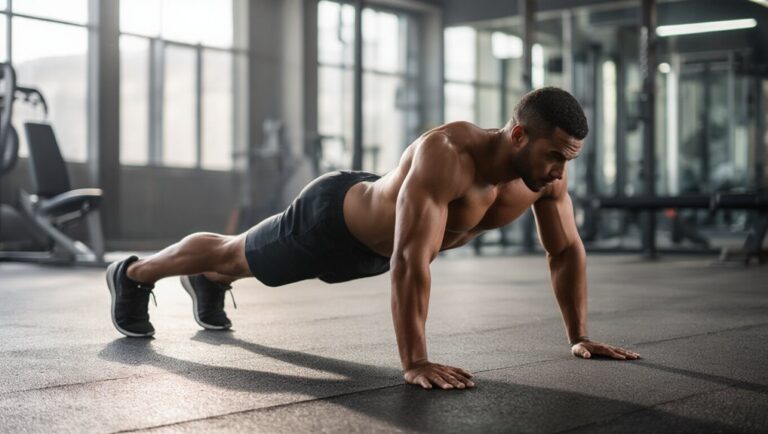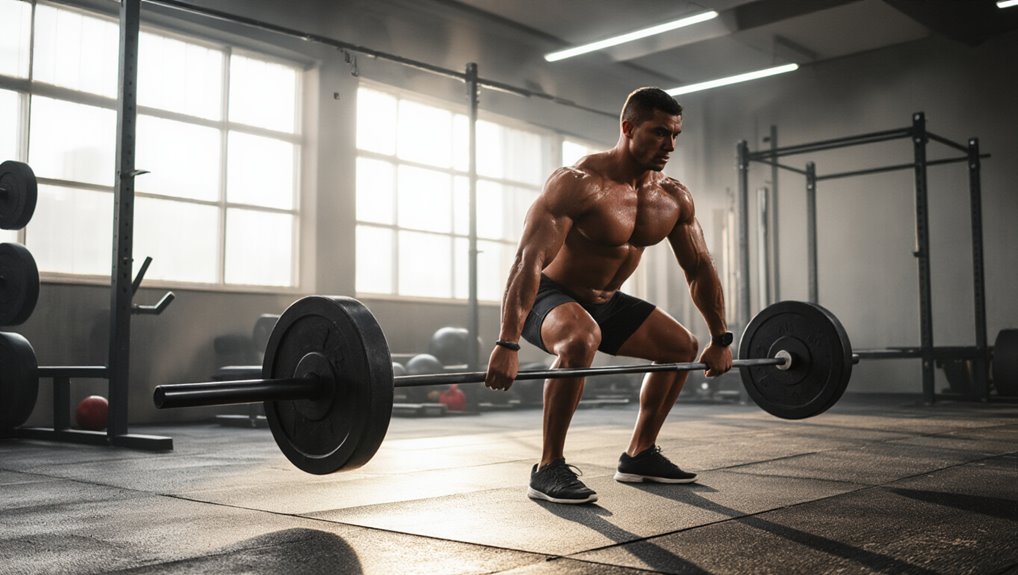
You know, when I’m training clients, I always tell them compound exercises are like using a power drill instead of a screwdriver—actually, that’s probably not the best analogy. What I mean is, these movements work multiple muscle groups at once, kind of like how a good contractor tackles several tasks simultaneously. You’re fundamentally getting more bang for your buck, and honestly, most people don’t realize they’re already doing some of these movements wrong, which could be limiting their potential gains.
Some of the links in this article may be affiliate links. If you make a purchase through these links, we may earn a small commission at no extra cost to you. Thank you.
What Are Compound Exercises and Why They Matter

When you’re looking to get the most bang for your buck in the gym, compound exercises are—well, they’re basically the Swiss Army knife of fitness. These movements work multiple muscle groups at once, like how a good foundation supports your entire house. Instead of hammering away at one muscle, you’re building strength across several. Think squats, deadlifts, and pull-ups. They’re efficient because you don’t need to spend hours targeting each muscle individually. It’s like using a power tool instead of hand tools—you’ll get stronger faster and burn more calories in less time.
Science-Backed Benefits of Multi-Joint Movements

Research consistently shows that compound exercises deliver more muscle-building power per rep than their single-joint cousins—think of it like using a sledgehammer instead of a tack hammer when you’re demolishing a wall. Actually, studies prove you’ll burn more calories and engage your cardiovascular system better too. Here’s what the science tells us:
| Benefit | Why It Works |
|---|---|
| Greater strength gains | Multiple muscle groups work together |
| Higher calorie burn | More muscles = more energy demand |
| Time efficiency | Target several areas simultaneously |
| Better coordination | Teaches muscles to work as a team |
| Real-world application | Mimics daily movement patterns |
Essential Compound Exercises for Maximum Results
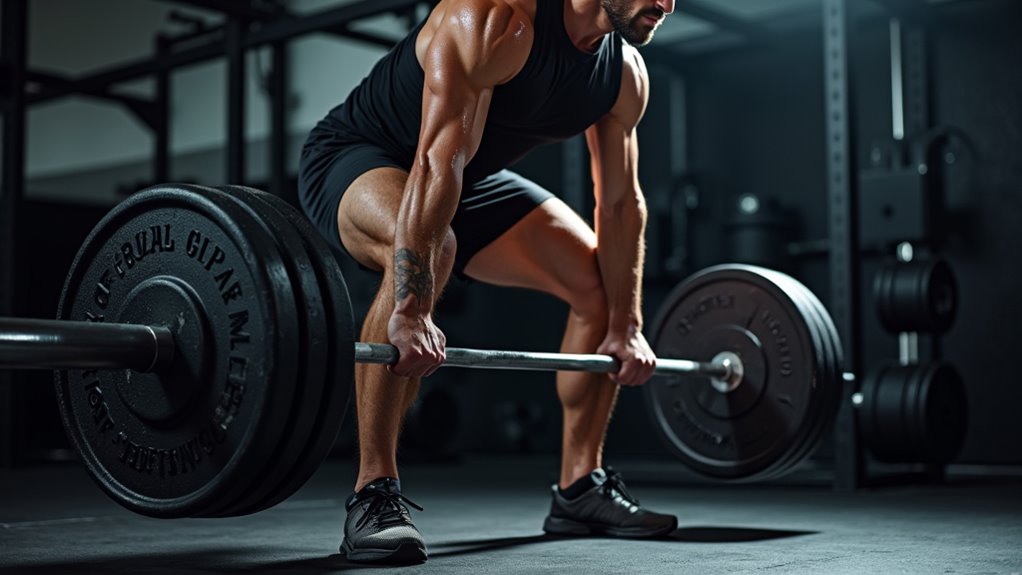
While there’s a mountain of exercises you could choose from, mastering just a handful of fundamental compound movements will give you more bang for your buck than any fancy machine workout ever could. Think of these as your foundation—like building a house, you can’t skip the basics.
Squats, deadlifts, and pull-ups are your bread and butter. They’re like the hammer, screwdriver, and level of strength training. Master the squat for your legs and core. Deadlifts work everything from your fingertips to your toes. Pull-ups build that upper body power you’ll actually use in real life.
Upper Body Powerhouse Movements
If you’ve ever hoisted a heavy box onto a shelf or hauled lumber up a ladder, you already know why upper body strength matters in the real world. Your chest, shoulders, and arms work together like a construction crew—each muscle group has its job, but they’re most effective when they coordinate.
| Exercise | Primary Targets | Real-World Application |
|---|---|---|
| Bench Press | Chest, shoulders, triceps | Pushing heavy doors, moving furniture |
| Pull-ups | Lats, biceps, core | Climbing, lifting yourself up |
| Overhead Press | Shoulders, triceps, core | Placing items on high shelves |
These movements’ll build the functional strength you actually use.
Lower Body Strength Builders
Think of your legs as the foundation of a house—everything else you build depends on how solid that base is. When you’re constructing lower body strength, you can’t beat compound movements like squats and deadlifts. These exercises work multiple muscle groups at once, saving you time while building serious power.
Squats target your quads, glutes, and core simultaneously. You’ll feel the burn, but that’s actually good—it means you’re getting more bang for your buck. Deadlifts? They’re the heavy-duty work of leg training, hitting your hamstrings, glutes, and lower back. Don’t skip walking lunges either—they’re incredibly effective.
Core-Focused Compound Training
Your core acts like the central beam in a building—it connects everything and keeps the whole structure stable. When you’re lifting heavy materials or swinging a hammer, that stability comes from your midsection, not just your arms.
Planks are probably the best foundation exercise—think of them as your concrete base. Hold that position and you’ll feel everything working together. Mountain climbers? They’re like rapid-fire demo work, hitting your core while keeping your heart pumping.
Actually, I’d say burpees are the ultimate compound core builder. Sure, they’re tough, but they’ll strengthen your entire framework efficiently.
Adapting Compound Exercises to Your Fitness Level
Whether you’re a complete beginner or you’ve been hitting the gym for years, compound exercises work like adjustable tools—you can dial them up or down to match exactly where you’re at. Think of it like building a house. You wouldn’t hand a novice contractor power tools on day one, right?
Start with bodyweight squats before adding a barbell. Master push-ups from your knees, then progress to full ones. Can’t do pull-ups yet? Use resistance bands or assisted machines. The foundation stays the same—you’re just adjusting the load. It’s about building strength progressively, not proving anything.
About The Author