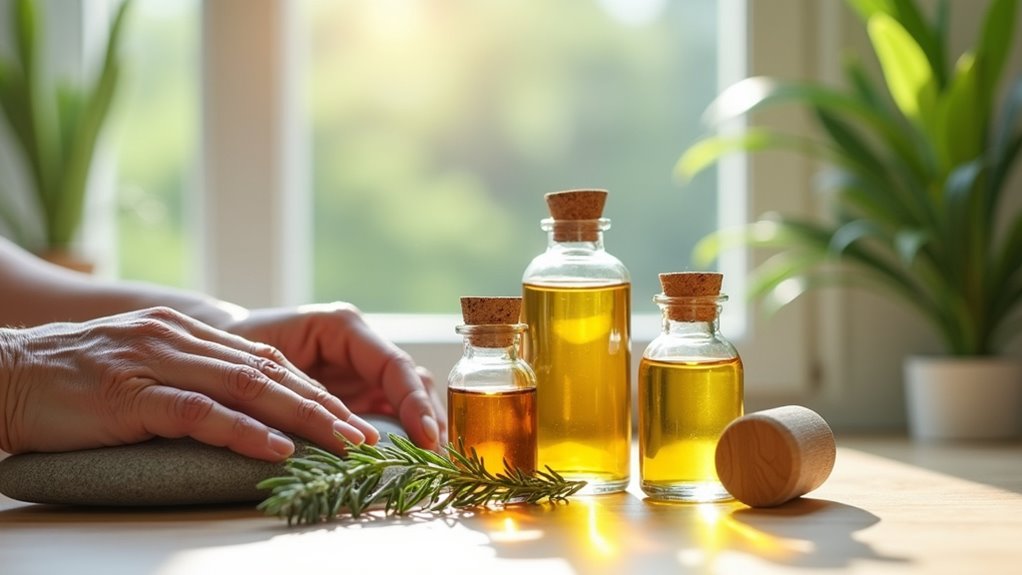
Is relief from arthritis pain really possible without turning to prescription medications? You’ve probably tried various treatments with mixed results, but essential oils might be worth considering. I think many people overlook these natural alternatives despite their promising anti-inflammatory properties. While they’re certainly not a cure-all, oils like eucalyptus and ginger could potentially reduce your joint discomfort and improve mobility when used correctly. Perhaps the combination of pain relief and emotional support makes them particularly valuable for chronic conditions.
Some of the links in this article may be affiliate links. If you make a purchase through these links, we may earn a small commission at no extra cost to you. Thank you.
Understanding Arthritis and Natural Pain Management

While arthritis affects millions of people worldwide, many are turning to natural remedies to find relief from the persistent pain and inflammation it causes. Whether you’re dealing with osteoarthritis, rheumatoid arthritis, or other arthritis types, understanding your options beyond medication is essential.
I think holistic treatments offer a gentler approach to managing arthritis symptoms. Rather than just masking pain, these remedies often address inflammation at its source. Essential oils, in particular, work with your body’s natural healing processes – perhaps helping reduce dependency on pharmaceuticals that might cause unwanted side effects. Essential oils offer benefits without the side effects of prescription medications.
Your journey toward arthritis relief isn’t one-size-fits-all, but natural options deserve consideration alongside conventional treatments.
Most Effective Essential Oils for Arthritis Pain
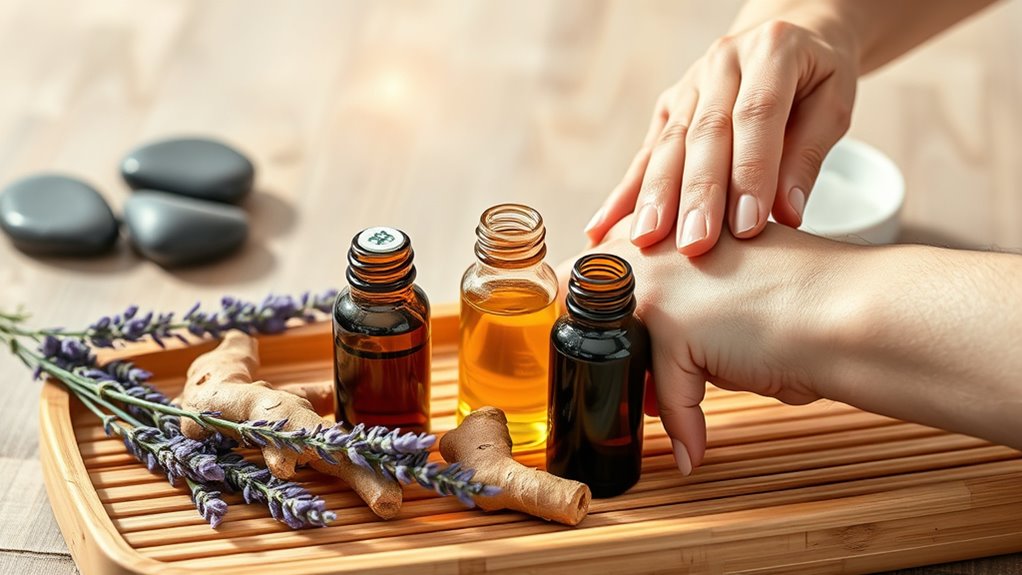
When it comes to finding relief from arthritis pain, certain essential oils have proven particularly effective through both traditional use and modern research. Eucalyptus and peppermint oils are perhaps the most powerful, with their anti-inflammatory properties reducing joint swelling while providing cooling sensation.
Lavender and rosemary oils offer dual benefits – they help with the physical discomfort, but I think their aromatic benefits for emotional healing are just as important. When you’re in pain, that psychological relief matters too.
Frankincense, wintergreen, and ginger oils round out the list of nature’s joint-pain fighters. Each works slightly differently, giving you options to try based on your specific needs. Additionally, essential oils like Melissa and Lavender have remarkable sedative properties that can further enhance emotional balance during painful episodes.
How Essential Oils Work to Reduce Inflammation
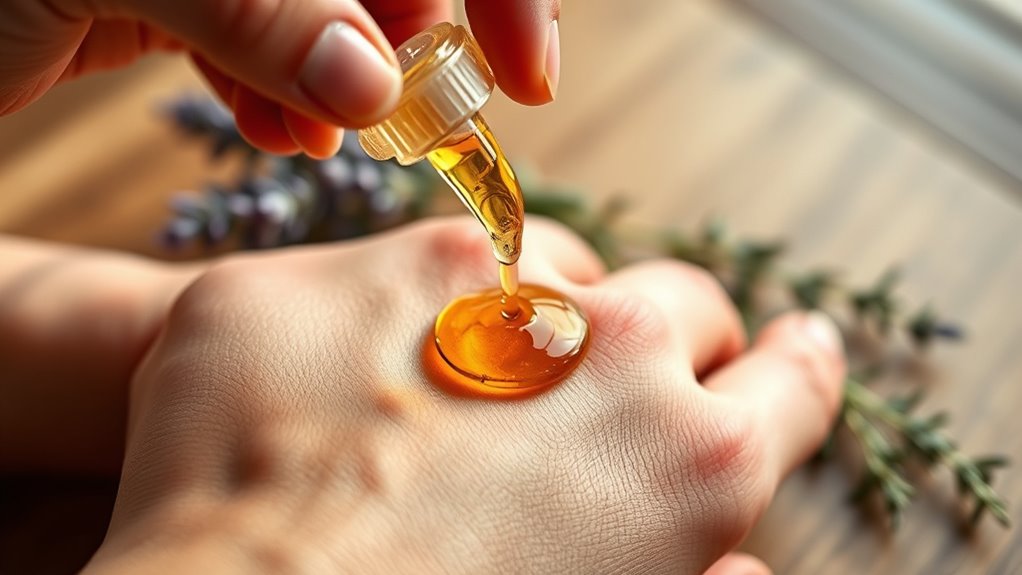
Although essential oils have been used for centuries, the science behind their inflammation-fighting properties has only recently been understood. These natural compounds work by disrupting key inflammation pathways in your body, fundamentally “turning down” your inflammatory response at the cellular level.
What’s fascinating, I think, is how essential oil synergy creates more powerful effects than single oils alone. When you combine oils like frankincense and ginger, they don’t just add their benefits—they multiply them. The terpenes in these oils interact with your body’s receptors, perhaps helping to regulate immune responses that trigger arthritis pain and swelling. Additionally, certain essential oils, such as eucalyptus and rosemary, can improve blood circulation, further enhancing their anti-inflammatory effects.
Proper Application Methods for Maximum Relief
Since the effectiveness of essential oils largely depends on how you apply them, let’s talk about getting the most relief from your arthritis treatment.
For maximum benefit, proper application frequency matters – most people find applying oils 2-3 times daily works best. I think consistency is really key here. Don’t overdo it though; listen to your body’s response.
When creating oil combinations, always dilute with a carrier oil like almond or coconut oil. Perhaps a 1:1 or 1:2 ratio of essential oil to carrier. You can mix several oils together – lavender with peppermint seems especially effective for many arthritis sufferers I’ve spoken with.
Essential Oil Blend Recipes for Joint Pain
Now that you’re familiar with proper application methods, let’s look at some specific recipes you can make at home. I think these DIY remedies will really help with your arthritis discomfort.
For a cooling blend, mix 5 drops wintergreen, 2 drops frankincense, 3 drops clove, and 5 drops lavender with 2 ounces of avocado oil. This works wonders on knees and elbows.
Perhaps you’d prefer aromatic blends? Try combining 3 drops each of ginger, rosemary, and lavender with 5 drops of peppermint in 2 ounces of aloe vera gel. The invigorating scent calms while the ingredients work to reduce inflammation.
Safety Considerations and Best Practices
While essential oils offer wonderful relief for arthritis pain, understanding proper safety measures is crucial before you begin using them. I think the most important rule is to always dilute your oils with a proper carrier oil – coconut, almond, or jojoba work wonderfully for most people.
Never apply essential oils directly to your skin! This can cause irritation or even burns in some cases. Perhaps start with a 2% dilution (about 12 drops per ounce of carrier oil) and adjust as needed.
Remember to patch test first, especially if you have sensitive skin. Essential oil safety isn’t complicated, but it’s definitely non-negotiable.
Frequently Asked Questions
Can Essential Oils Completely Replace Prescription Arthritis Medications?
No, essential oils can’t completely replace prescription medications. They’re complementary treatments with pain-relieving efficacy. You should view them as medication alternatives that work alongside conventional treatments for arthritis management.
How Long Does It Typically Take to Feel Relief From Essential Oils?
While medications provide quick fixes, aromatherapy offers gentle healing. You’ll typically feel relief within 20-30 minutes of applying essential oils, though consistent use enhances their effectiveness in your pain management routine.
Are There Essential Oils That Interact Negatively With Arthritis Medications?
You should consult your doctor about essential oil interactions with arthritis medications. Oils like wintergreen and birch can increase bleeding risks and cause medication side effects when combined with NSAIDs.
Can Essential Oils Help With Rheumatoid Arthritis-Related Fatigue?
Yes, certain essential oil blends can help with your rheumatoid arthritis-related fatigue. Lavender and rosemary oils particularly support fatigue management through their relaxation and circulation-enhancing properties when used consistently.
Do Essential Oils Work Differently for Osteoarthritis Versus Rheumatoid Arthritis?
Like fighters with different strategies, essential oils tackle osteoarthritis symptoms and rheumatoid arthritis treatments differently. They’re more effective for inflammation in rheumatoid arthritis while providing pain relief for both conditions.
Conclusion
You’re probably wondering if these oils will actually work for you. Well, they might. But here’s the thing – when you’ve tried everything else, what do you have to lose? Start with a simple blend tonight, perhaps lavender and ginger. Your journey to finding relief doesn’t end here… it’s just beginning. The answer to your pain may have been in nature all along.
About The Author