Tea tree oil offers remarkable versatility with its natural antibacterial, antifungal, and anti-inflammatory properties. It’s effective for treating skin conditions like acne and eczema, promoting healthier hair by eliminating dandruff, and creating chemical-free household cleaners. Remember, though, it must be properly diluted before skin application (usually 1-5% in carrier oils) and should never be ingested. Exploring its many applications reveals why this Australian native has become a staple in natural health remedies.
Some of the links in this article may be affiliate links. If you make a purchase through these links, we may earn a small commission at no extra cost to you. Thank you.
The Science Behind Tea Tree Oil’s Healing Properties

While tea tree oil has been used for centuries in traditional medicine, modern scientific research has finally begun to unravel the complex mechanisms behind its remarkable healing properties.
The oil’s therapeutic effects stem from its unique chemical composition, which includes powerful monoterpenes, phenols, and sesquiterpenes that work synergistically.
The high concentration of terpine-4-ol (about 40%) is primarily responsible for its antimicrobial action, while compounds like alpha-terpineol contribute to its anti-inflammatory benefits.
These components penetrate cellular membranes effectively, disrupting pathogenic microorganisms without harming human tissue.
It’s fascinating how nature has created such a perfectly balanced formula that modern science is still trying to fully comprehend. Additionally, tea tree oil’s antiseptic and anti-inflammatory properties penetrate hair follicles, enhancing both scalp and hair health.
Tea Tree Oil for Skin Health: From Acne to Eczema
Throughout history, few natural remedies have shown such versatile skin-healing properties as tea tree oil. Its potent antibacterial and anti-inflammatory compounds make it incredibly effective for treating acne while simultaneously supporting skin hydration.
What’s particularly impressive about tea tree oil is its ability to provide eczema relief without the harsh side effects of prescription medications. The oil’s natural antiseptic qualities help reduce redness and itching while creating a protective barrier against environmental irritants.
Many dermatologists now recommend incorporating diluted tea tree oil into daily skincare routines, especially for those struggling with persistent skin conditions that haven’t responded well to conventional treatments.
Transforming Hair Care With Tea Tree Oil
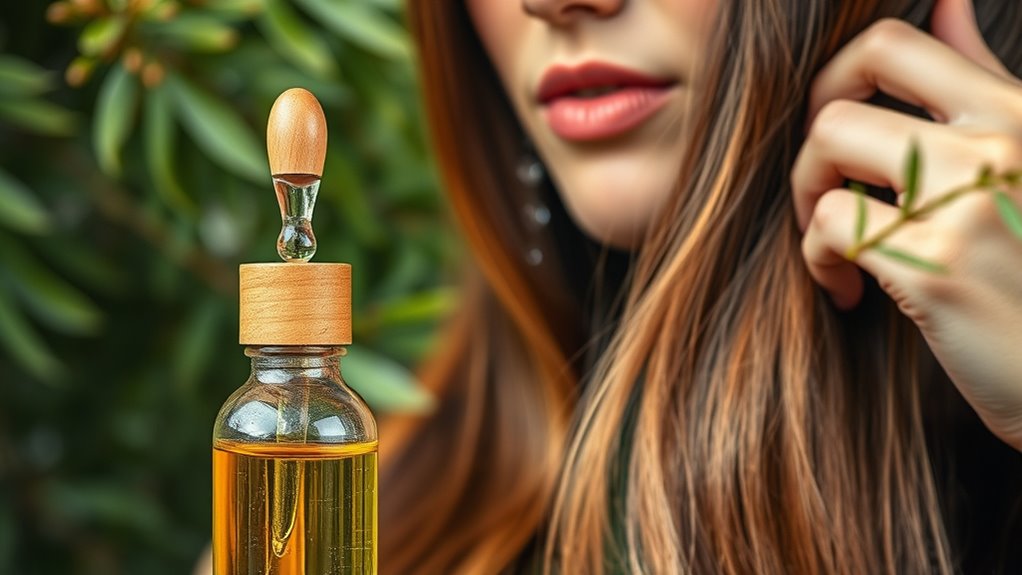
Countless hair care enthusiasts have discovered that tea tree oil offers more than just skin benefits—it’s a revolutionary addition to hair maintenance routines.
With its potent antibacterial properties, tea tree oil transforms scalp care by eliminating dandruff-causing microorganisms while promoting healthier hair growth conditions.
- Adding 3-5 drops to regular shampoo creates an invigorating cleanser that removes buildup and soothes irritation
- Weekly scalp massages with diluted tea tree oil improve blood circulation, potentially enhancing hair growth
- DIY hair sprays combining tea tree with other essential oils like lavender and rosemary provide extensive care without harsh chemicals
Household Uses and DIY Recipes
Tea tree oil’s versatility extends far beyond personal care, making it a powerhouse addition to household cleaning and DIY projects. Its natural antibacterial properties make it ideal for household applications ranging from bathroom scrubs to kitchen counter sprays.
For an effective all-purpose cleaner, combine 10 drops of tea tree oil with two cups of water and a tablespoon of vinegar in a spray bottle. It’s particularly effective against mold and mildew in damp areas.
Many homeowners have embraced tea tree oil for DIY cleaning solutions that eliminate harmful chemicals while maintaining sanitizing power – a welcome alternative for families concerned about indoor air quality.
Safety Guidelines and Proper Dilution Techniques
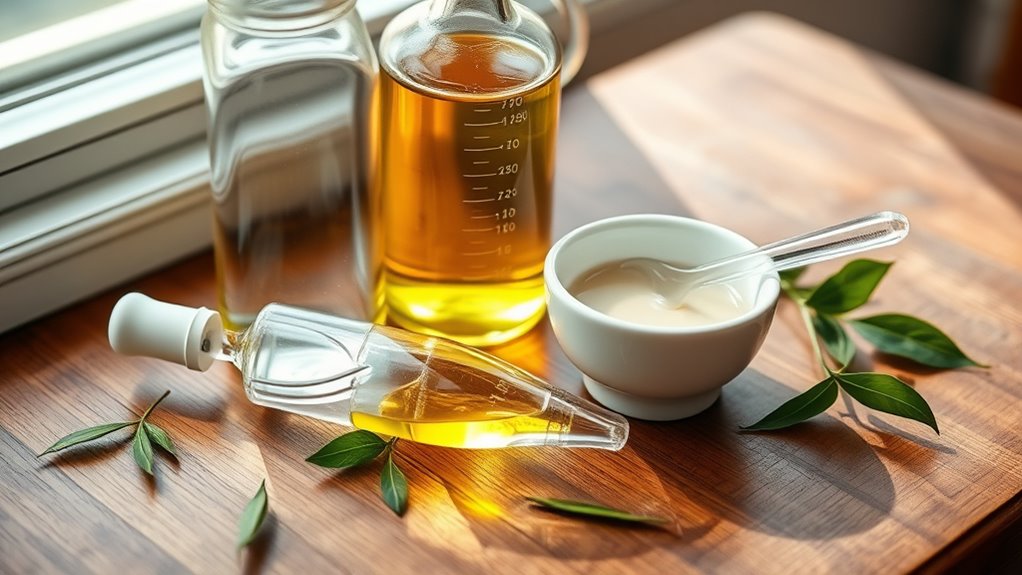
Understanding proper safety guidelines when working with tea tree oil is essential for preventing adverse reactions while maximizing therapeutic benefits.
Tea tree oil, while natural, is highly concentrated and requires appropriate dilution ratios before application to skin. Most experts recommend a 1-5% dilution in a carrier oil like jojoba or coconut oil, depending on the intended use.
- Never ingest tea tree oil as it can be toxic when taken internally
- Perform a small patch test before trying new application methods
- Keep away from eyes, inner ears, and sensitive mucous membranes
Comparing Tea Tree Oil With Other Natural Remedies
While proper dilution practices guarantee tea tree oil‘s safe application, many natural health enthusiasts often wonder how it compares to other botanical remedies.
When examining the holistic health landscape, tea tree oil stands out for its versatility compared to single-purpose alternatives like aloe vera or witch hazel.
Unlike lavender essential oil, which excels primarily in relaxation properties, tea tree offers broader antimicrobial benefits.
It’s generally more potent against fungal infections than oregano oil but gentler on skin.
In the domain of natural remedies, tea tree balances effectiveness with relative safety when properly used – though it’s not as mild as chamomile or calendula for sensitive individuals. Additionally, tea tree oil has demonstrated effectiveness against viral pathogens such as HPV, making it a unique option among natural treatments.
Conclusion
Tea tree oil, like a Swiss Army knife for natural wellness, offers remarkable versatility backed by scientific evidence. From tackling stubborn skin conditions to revitalizing hair and sanitizing homes, its therapeutic potential continues to impress health-conscious consumers worldwide. While powerful, this Australian gift demands respect through proper dilution and application. As we embrace more natural approaches to health, tea tree oil stands as a demonstration to nature’s potent healing capabilities.
About The Author