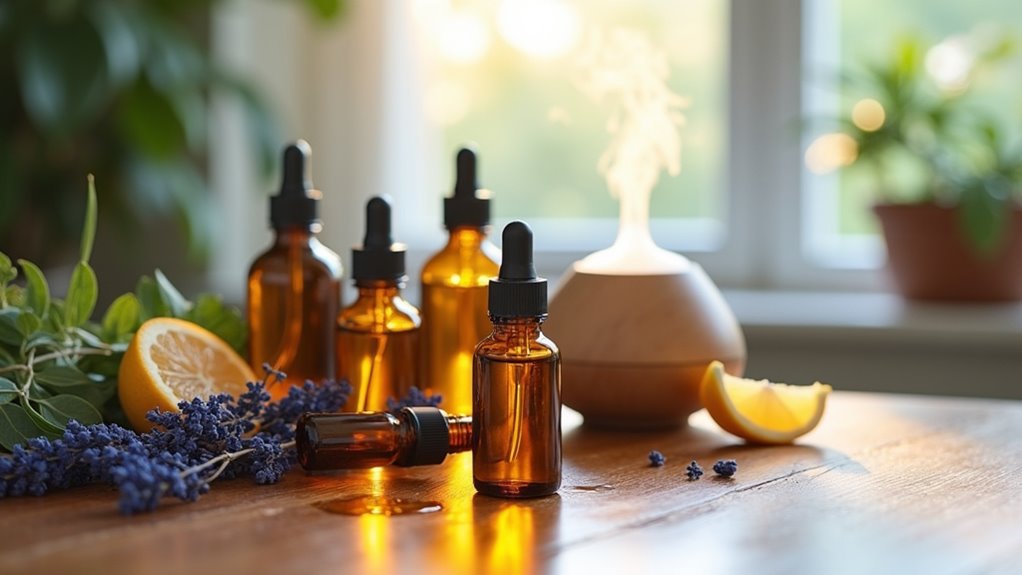
I’ve been making essential oil blends for years, and I’ve definitely had my share of mishaps along the way. Trust me, nothing ruins your day quite like a lavender oil burn (yes, even “gentle” oils can cause reactions). I think most disasters happen when we get comfortable and forget these are powerful plant compounds. Perhaps the biggest mistake I see people make is skipping proper dilution—something I learned the hard way when I once applied peppermint neat. What’s your worst essential oil mistake?
Some of the links in this article may be affiliate links. If you make a purchase through these links, we may earn a small commission at no extra cost to you. Thank you.
The Dangerous Myth of Neat Application
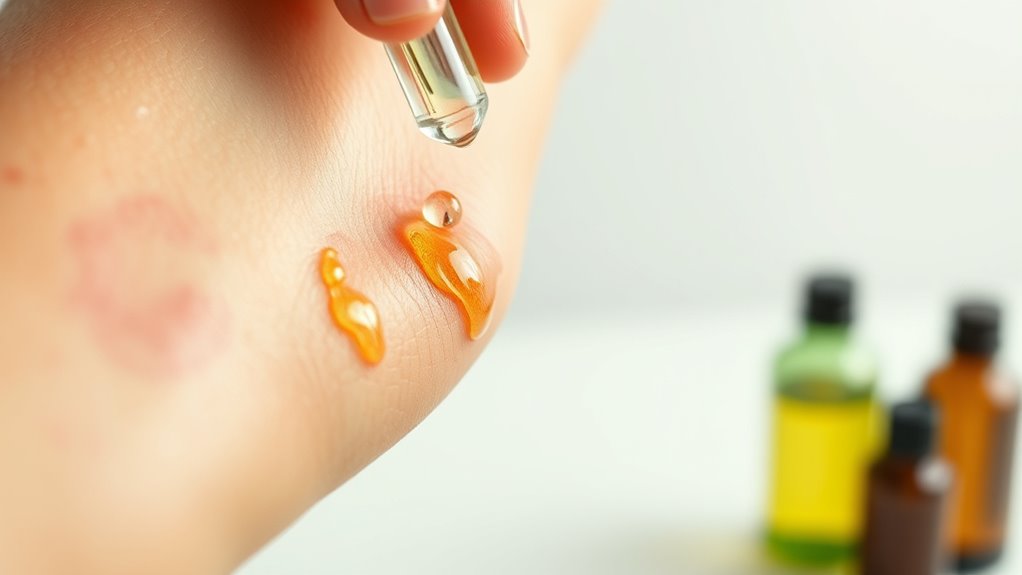
Despite what you might see on social media or hear from well-meaning friends, applying essential oils “neat” (undiluted) directly to your skin is one of the most dangerous myths in aromatherapy today.
I’ve seen too many people suffer unnecessary burns and irritation because they believed neat application was safe. Trust me, your skin sensitivity can vary dramatically, and what someone else tolerates might cause you severe reactions.
I think the most important rule I’ve learned is simple: always dilute your oils in a carrier oil first. Perhaps 1-2% dilution for daily use is sufficient. Even supposedly “gentle” oils like lavender can cause problems when used undiluted. Always remember that proper dilution guidelines for young skin are crucial to avoid adverse reactions.
Hot Oils and Their Hidden Hazards
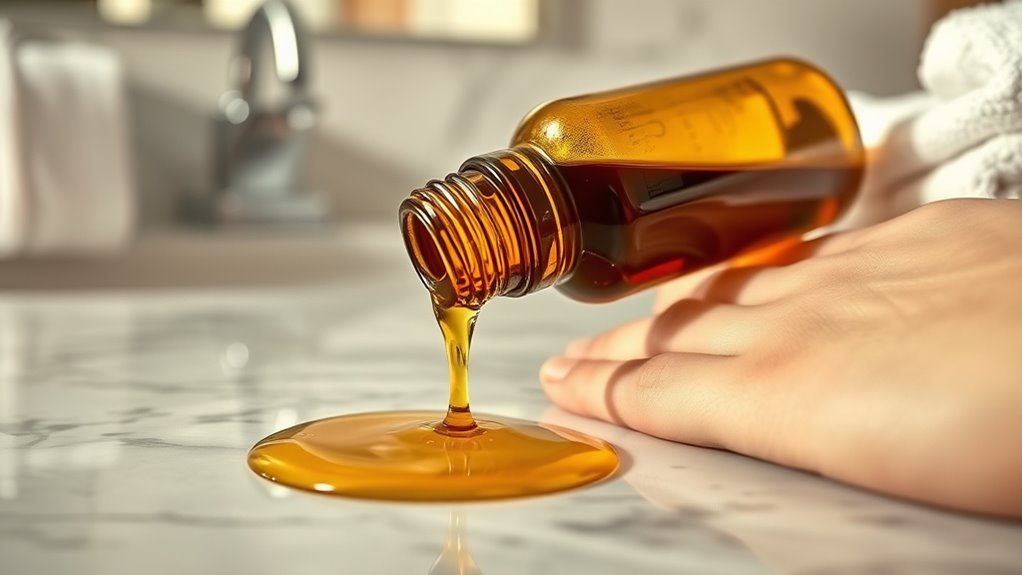
When I first started using essential oils, I had no idea that some were classified as “hot oils” – a term that refers to oils that can create an intense warming or burning sensation on contact with skin.
I learned this lesson the hard way with peppermint oil. I applied it neat to my temples for a headache and wow – the burning was intense! Oregano oil is perhaps even more dangerous; I’ve heard stories of people developing chemical burns from using it undiluted.
Always dilute these powerful oils in a carrier oil – I think 1-2% dilution is generally safe for most adults. Your skin will thank you! Additionally, using oils like tea tree oil can offer benefits such as antimicrobial properties that help address scalp issues without the risk of irritation.
Water and Oil Don’t Mix: Dilution Mistakes to Avoid
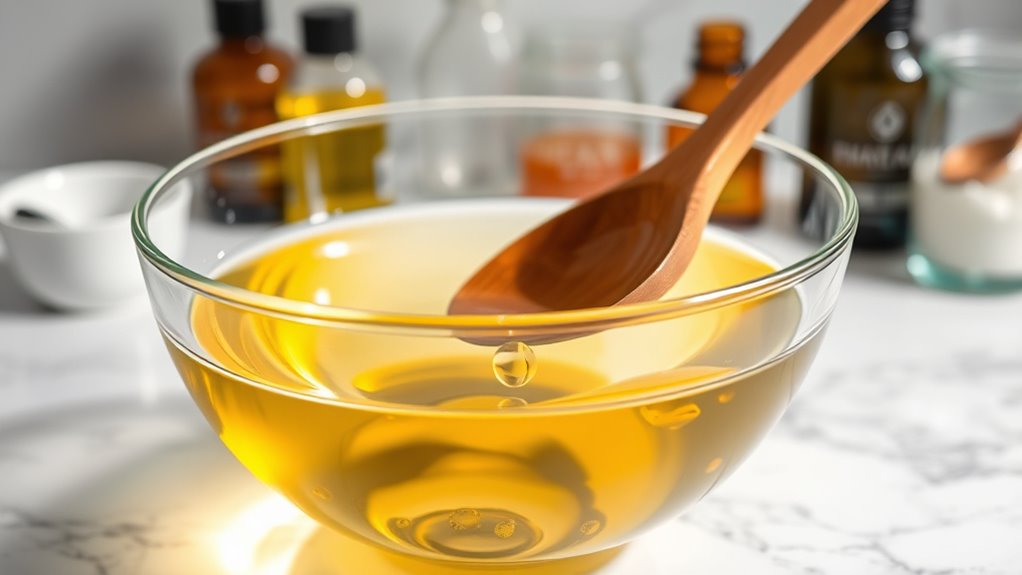
One of the most dangerous misconceptions about essential oils is that you can simply rinse them off with water if they cause irritation. This is a serious mistake I’ve seen too many people make. Water actually drives the oils deeper into your skin, intensifying the burning sensation.
Instead, always use proper dilution ratios with carrier oils like coconut, jojoba, or sweet almond oil. I think around 2-3% dilution works for most adults, perhaps even less for children or sensitive skin.
If you do experience a reaction, grab a carrier oil—not water—and apply it liberally to dilute the essential oil. Additionally, understanding the importance of proper dilution ratios can significantly enhance your experience with essential oils.
Protecting Your Family: Safe Essential Oil Practices for Children and Pets
Speaking of proper dilution, I need to emphasize how this principle becomes even more important when using essential oils around children and pets. Their smaller bodies and different metabolisms make them far more sensitive to these concentrated plant extracts. I’ve learned this lesson the hard way when my cat had a reaction to tea tree oil I was diffusing.
- Always dilute oils 3-4 times more for children than for adults
- Practice safe storage by keeping oils in locked cabinets, out of reach
- Research pet safety first – many oils toxic to cats can damage their livers
- Never apply oils directly to children or pets without professional guidance
Frequently Asked Questions
Can I Use Essential Oils While Pregnant or Breastfeeding?
I’d strongly recommend consulting your doctor before using essential oils during pregnancy or breastfeeding. Many oils aren’t pregnancy-safe, and safety guidelines suggest extra pregnancy precautions even with diluted applications.
How Long Do Essential Oils Remain Potent After Opening?
Like precious liquid gems, I’ve found essential oils typically maintain their potency for 1-3 years after opening. Proper storage tips include keeping them in dark bottles away from heat and light to extend shelf life.
Can Essential Oils Damage Plastic Containers or Jewelry?
Yes, I’ve found essential oils can absolutely damage plastics! They cause plastic degradation through chemical reactions, melting or warping containers. They’ll also deteriorate certain jewelry materials, especially those with protective coatings.
What Essential Oils Can Safely Replace Commercial Cleaning Products?
Looking for natural disinfectants? I’ve found lemon, tea tree, and lavender essential oil blends work wonderfully. They’re effective cleaners when properly diluted—just remember they’re potent and require careful handling.
How Do Essential Oils Interact With Prescription Medications?
I need to caution you about essential oils’ potential drug interactions with medications. They can alter dosage effects or cause adverse reactions. Always consult your healthcare provider before combining them with prescriptions.
Conclusion
I’ve seen the consequences of careless oil use firsthand, and trust me, they’re not pretty. You might think you’re being cautious, but disaster often lurks in that “just one drop” mentality. I always keep my oils locked away—perhaps overcautious, but better safe than sorry, right? The suspense of wondering if that undiluted application will cause a reaction isn’t worth it. Your skin deserves better protection.
About The Author