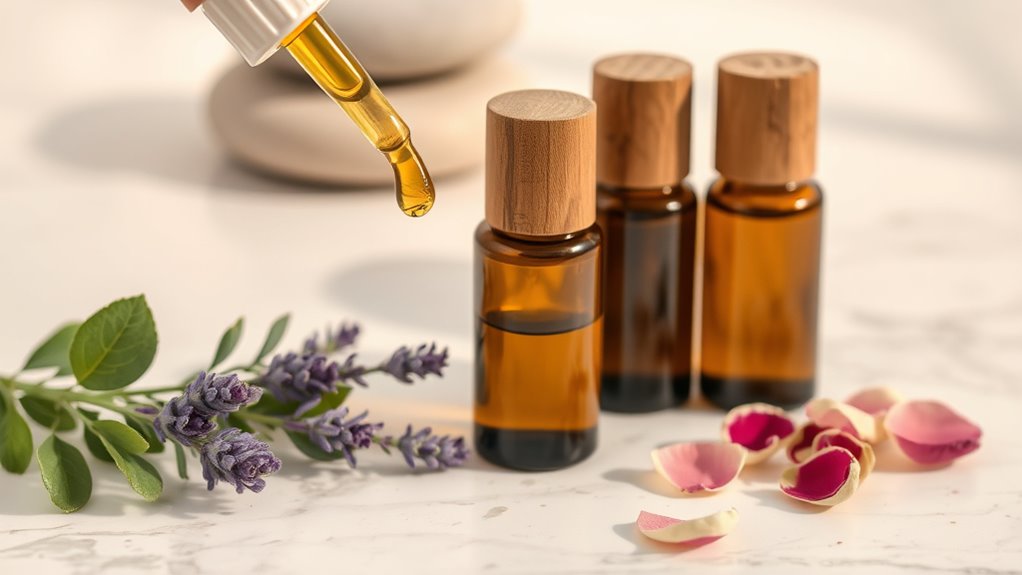
The search for relief from fibromyalgia’s persistent pain often leads sufferers down countless paths. Essential oils offer a natural approach that’s gaining attention, though results certainly vary from person to person. These concentrated plant extracts work through multiple mechanisms – some reducing inflammation, others calming an overactive nervous system. Perhaps what makes them particularly appealing is their dual action on both physical discomfort and emotional distress. Many patients report finding unexpected comfort in these aromatic remedies when conventional treatments fall short.
Some of the links in this article may be affiliate links. If you make a purchase through these links, we may earn a small commission at no extra cost to you. Thank you.
Understanding Fibromyalgia Pain and How Essential Oils Can Help

While fibromyalgia affects millions worldwide with its characteristic widespread pain, many sufferers remain unaware of natural alternatives that might complement their treatment plans.
This complex condition involves multiple fibromyalgia triggers, including stress, hormonal imbalances, and sleep disturbances that amplify pain signals.
Essential oils benefits extend beyond pleasant aromas—they offer neurological and physiological effects that may help manage symptoms.
Essential oils work through multiple pathways, engaging the brain and body to potentially ease fibromyalgia’s complex symptom profile.
These natural compounds can reduce inflammation, improve circulation, and perhaps most importantly, calm an overactive nervous system.
I think what makes them particularly valuable is their ability to address both physical discomfort and the emotional burden that often accompanies chronic pain conditions.
Top Essential Oils for Managing Fibromyalgia Symptoms

Several essential oils have shown promise in addressing the complex symptoms of fibromyalgia, offering natural alternatives that many sufferers find beneficial alongside traditional treatments.
Lavender and clary sage stand out for their relaxation properties, while black pepper and ginger provide warming relief that improves circulation in painful areas.
Marjoram and chamomile work wonderfully for muscle spasms and tension that often accompany fibromyalgia flares.
For those seeking fibromyalgia treatment options beyond medications, these essential oil benefits may provide gentler support.
Eucalyptus and rosemary can be particularly effective for inflammatory pain, perhaps making them worth trying for those experiencing persistent discomfort.
Creating Effective Essential Oil Blends for Pain Relief

Many fibromyalgia sufferers find that combining essential oils creates more powerful relief than using single oils alone. Effective blend combinations typically include a mix of warming oils like black pepper or ginger with soothing ones such as lavender or chamomile.
Synergistic oil blends offer fibromyalgia patients superior relief by pairing warming elements with calming counterparts.
When creating blends, proper dosage guidelines are essential – generally starting with 5-10 drops total of essential oils per 10ml of carrier oil.
Perhaps the most effective approach is mixing pain-relieving oils with those that address secondary symptoms like sleep issues or anxiety.
I think experimentation is key, as each person’s body chemistry responds differently. Some might need higher concentrations, while others find gentler blends more effective.
Application Methods for Maximum Therapeutic Benefits

For fibromyalgia sufferers seeking maximum relief, the method of essential oil application can be just as important as the oils themselves.
Different application techniques can greatly impact how effectively the therapeutic benefits are delivered to affected areas.
Topical massage is perhaps the most direct approach, gently working oils into painful muscle groups.
Diffusion, on the other hand, creates an ambient environment that promotes overall relaxation – I think this works particularly well with lavender and chamomile.
Warm compresses infused with eucalyptus or black pepper oils can penetrate deeply, while roller blends offer convenient, targeted relief throughout the day.
The key is consistency in whichever method feels most manageable.
Incorporating Essential Oils Into Your Daily Pain Management Routine

Successfully integrating essential oils into an existing pain management routine requires consistency and patience, as the cumulative effects often deliver the most significant relief for fibromyalgia sufferers.
Establishing daily rituals, perhaps morning applications of energizing oils like rosemary or ginger, followed by calming blends of lavender and chamomile in the evening, creates a sustainable approach.
Many patients find that emotional support comes naturally when using clary sage or chamomile oils during meditation or relaxation practices.
I think creating a personalized schedule that incorporates these oils at specific trigger points throughout the day—rather than waiting for pain to intensify—might be the most effective strategy for long-term management.
Frequently Asked Questions
How Long Do Essential Oil Effects Typically Last for Fibromyalgia Relief?
Essential oil duration effects for fibromyalgia pain management typically range from 2-6 hours, depending on application method, oil type, and individual response. Reapplication throughout the day optimizes relief benefits.
Are There Essential Oils That Should Be Avoided With Specific Medications?
Certain plant-derived aromatics may interact with pharmaceuticals. Essential oil interactions with blood thinners, diabetes medications, and sedatives require caution. Consulting healthcare providers about medication safety is strongly recommended before combining treatments.
Can Children With Juvenile Fibromyalgia Safely Use These Essential Oils?
Children with juvenile fibromyalgia require caution with essential oils. Child safety considerations include diluting oils properly and consulting healthcare providers before oil application. Some oils may be too potent for young users.
What’s the Shelf Life of Homemade Essential Oil Blends?
Like treasures in King Tut’s tomb, properly prepared homemade essential oil blends typically last 1-2 years. Effective blending techniques including dark glass storage and refrigeration can extend shelf life considerably.
Do Essential Oils Work Differently During Fibromyalgia Flare-Ups Versus Daily Maintenance?
Essential oils function differently during flare-ups versus maintenance. Stronger flavor profiles and more frequent application methods may be needed during flare-ups, while gentler approaches suffice for daily management.
Conclusion
While essential oils cannot cure fibromyalgia, they offer promising complementary relief for many sufferers. From lavender’s calming embrace to ginger’s warming properties, these natural remedies provide a telephone booth of escape from constant pain. When incorporated thoughtfully into daily routines through proper blending and application techniques, essential oils can become valuable allies in managing symptoms and improving quality of life for those traversing the complex challenges of fibromyalgia.
About The Author