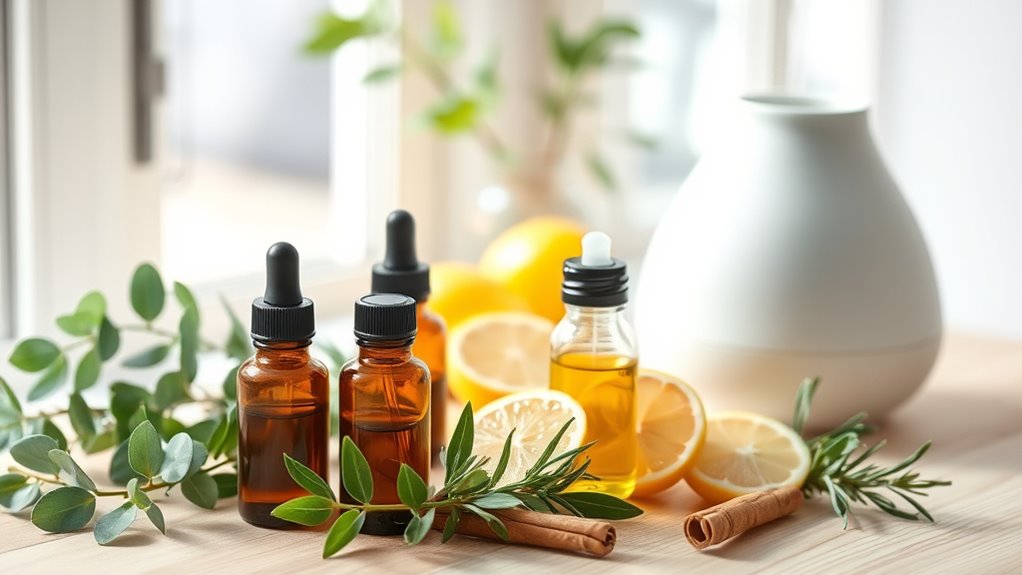
Essential oils have emerged as a compelling natural alternative for those struggling with seasonal colds. These concentrated plant extracts offer more than just pleasant aromas; they contain potent compounds that target respiratory issues and immune function. People often overlook their therapeutic potential, perhaps because results vary between individuals. The combination of eucalyptus clearing airways, thyme fighting pathogens, and peppermint relieving tension creates a powerful trinity against cold symptoms. But the question remains – how exactly should these oils be used for maximum effectiveness?
Some of the links in this article may be affiliate links. If you make a purchase through these links, we may earn a small commission at no extra cost to you. Thank you.
The Science Behind Essential Oil Effectiveness for Cold Relief
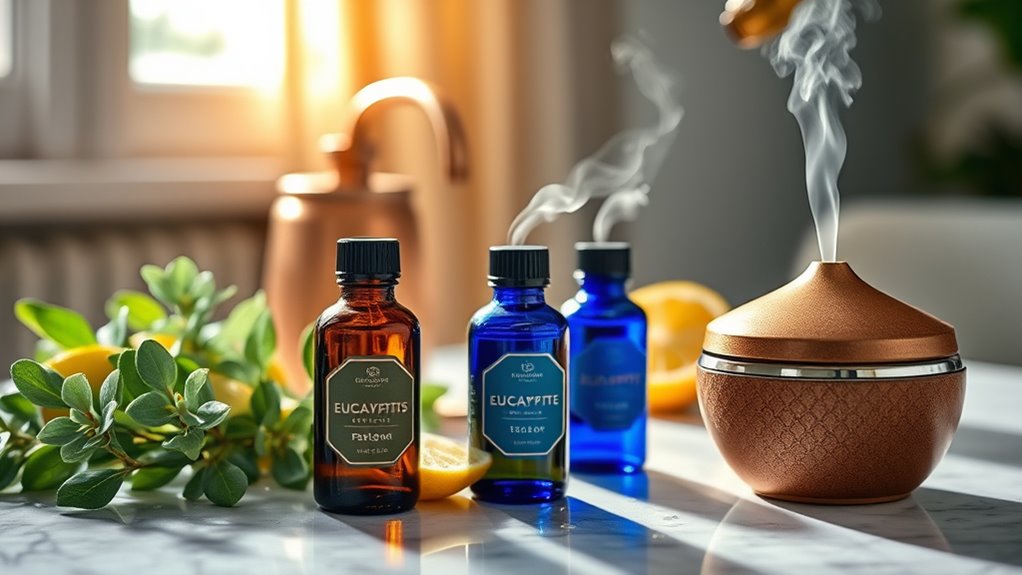
While many people turn to essential oils as a complementary approach to managing cold symptoms, the scientific mechanisms behind their effectiveness are actually quite fascinating.
Essential oil chemistry reveals these natural compounds contain terpenes and phenols that interact directly with pathogens, often disrupting their cellular membranes.
Perhaps most interesting is how certain oils trigger immune response mechanisms within our bodies. When inhaled or applied topically, compounds like thymol in thyme or carvacrol in oregano may enhance white blood cell activity.
Certain essential oils don’t just smell nice—they actively engage with our immune system, potentially boosting our natural defenses against illness.
I think this explains why oils like eucalyptus seem to work beyond just their pleasant aroma—they’re actually supporting our body’s natural defenses through complex biochemical pathways.
How to Blend and Apply These Immune-Boosting Oils
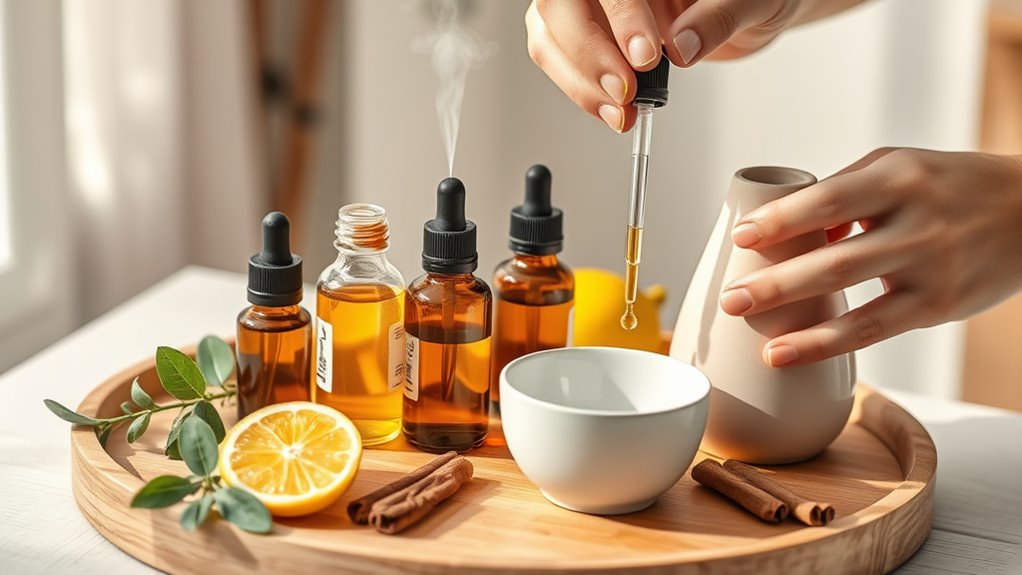
Because essential oils are potent natural compounds, proper blending and application techniques are crucial for both safety and effectiveness.
When creating cold-fighting blends, I think it’s important to understand how different oils complement each other – thyme and eucalyptus make a particularly effective respiratory combination, for instance.
Here are four essential application methods:
- Steam inhalation – Add 3-5 drops to hot water and inhale the vapor
- Topical application – Dilute with carrier oil (1:4 ratio) before applying to chest or feet
- Diffusion – Use 5-7 drops in a diffuser for ambient respiratory support
- Personal inhaler – Perhaps the most portable option for on-the-go relief
Best Essential Oil Combinations for Different Cold Symptoms
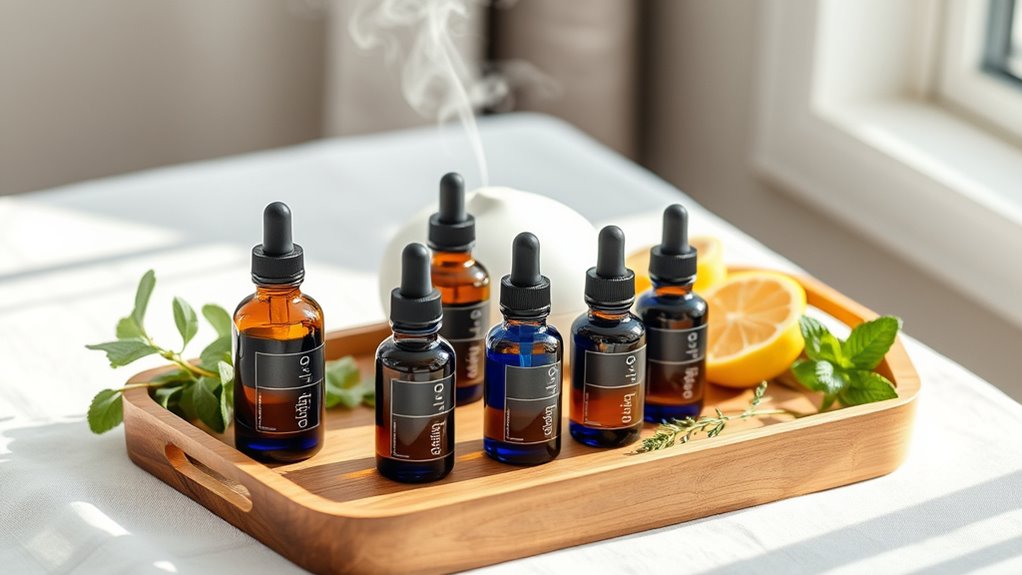
Different cold symptoms respond uniquely to specific essential oil combinations, making targeted blending an effective approach to symptom relief.
For congestion, perhaps a mix of eucalyptus and thyme works best, as they both support respiratory function while providing immune support.
Sore throats might benefit from oregano and lime combinations, which offer natural antiseptic properties.
I think peppermint paired with eucalyptus creates an excellent remedy for headaches and sinus pressure.
For general immune boosting, thyme and oregano together create a powerful natural remedy that fights infection while stimulating circulation.
These targeted approaches allow for personalized cold management without harsh chemicals.
Frequently Asked Questions
Can Essential Oils Interact With Cold Medications?
Millions face risks when combining remedies. Essential oil interactions can potentially diminish cold medication efficacy or cause adverse reactions. Consulting healthcare providers before mixing treatments is strongly recommended for safety.
Are Essential Oils Safe for Children With Colds?
Essential oils require caution for children with colds. Dilute properly, use age-appropriate remedies, and consult healthcare providers. Some oils like eucalyptus may pose safety concerns for young children.
How Long Do Essential Oil Remedies Typically Last After Preparation?
Essential oil remedies typically have a shelf life of 6-12 months when properly stored in dark glass bottles away from heat and light. Storage recommendations include cool, dry locations for maximum effectiveness.
Can Essential Oils Prevent Colds or Only Treat Symptoms?
Essential oils offer some preventive benefits through immune support, but research indicates they’re generally more effective for managing symptoms once illness has begun rather than completely preventing colds.
Which Essential Oils Should Be Avoided During Pregnancy?
Treading carefully during pregnancy, certain essential oils should be avoided. Pregnant women should steer clear of thyme, oregano, eucalyptus, and peppermint oils to maintain pregnancy safety and reduce potential risks.
Conclusion
Essential oils offer a natural, holistic approach to cold relief that many find effective. Curiously, a University of Maryland Medical Center study found that eucalyptus oil can reduce inflammatory cytokines by up to 25% when used in inhalation therapy. With their versatility and accessibility, these potent plant extracts provide a complementary option to traditional medications—perhaps explaining why the essential oil market continues to grow despite limited clinical research.
About The Author