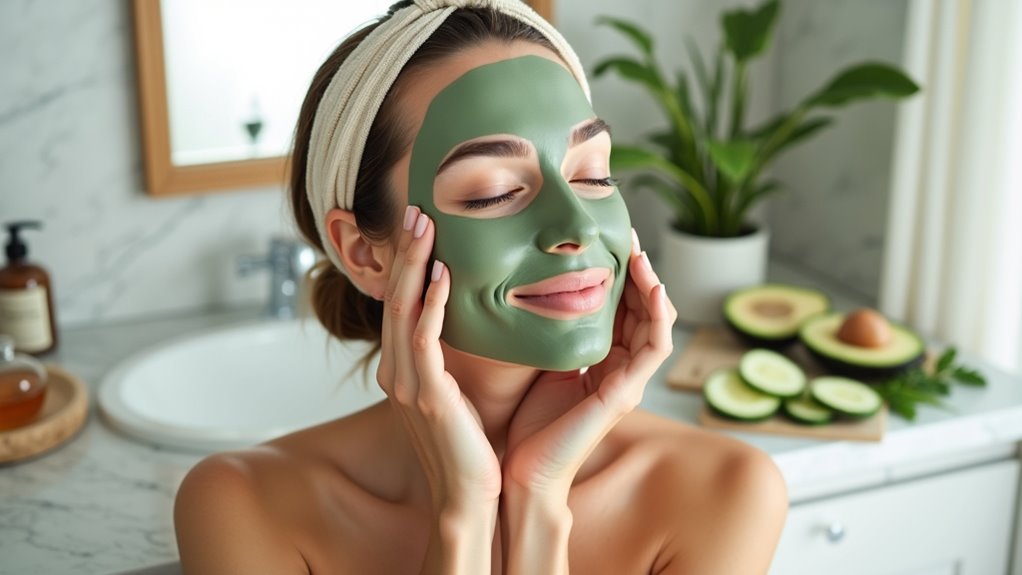
Natural face masks represent a shift away from commercial skincare toward simpler solutions. Many people are discovering that ingredients from their kitchen—honey, yogurt, avocado—can deliver impressive results without harsh chemicals. The appeal lies in both effectiveness and transparency; users know exactly what touches their skin. Curiously, these remedies aren’t new innovations but rather ancient practices being rediscovered. Perhaps what’s most compelling about this approach is how it reconnects skincare with nature’s intelligence. What happens when we trust ingredients that haven’t been engineered in labs?
Some of the links in this article may be affiliate links. If you make a purchase through these links, we may earn a small commission at no extra cost to you. Thank you.
Why Single-Ingredient Natural Face Masks Are Skin Game Changers
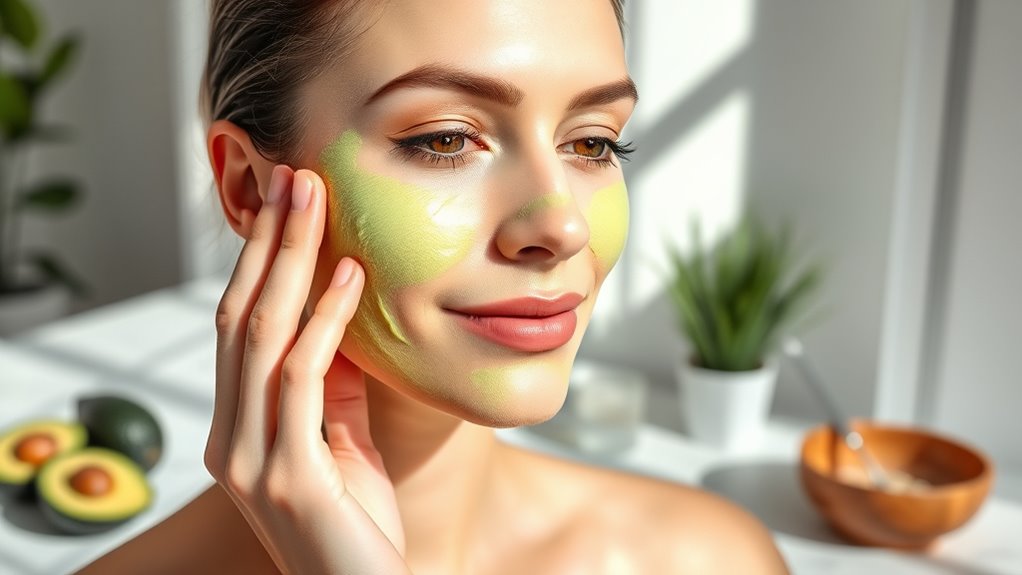
While skincare trends come and go, the simplest solutions often prove to be the most effective. Single-ingredient natural face masks offer benefits that complex formulations sometimes can’t match. There’s something invigorating about the natural simplicity of using just honey, avocado, or olive oil on your skin.
Perhaps what makes these ingredients special is their purity. Without additives or preservatives, they deliver concentrated nutrients directly to your skin. I think many people overlook how powerful these kitchen staples can be for addressing specific skin concerns.
The transparency is appealing too—you know exactly what you’re applying to your face, which isn’t always the case with commercial products.
The Science Behind Food-Based Facial Treatments
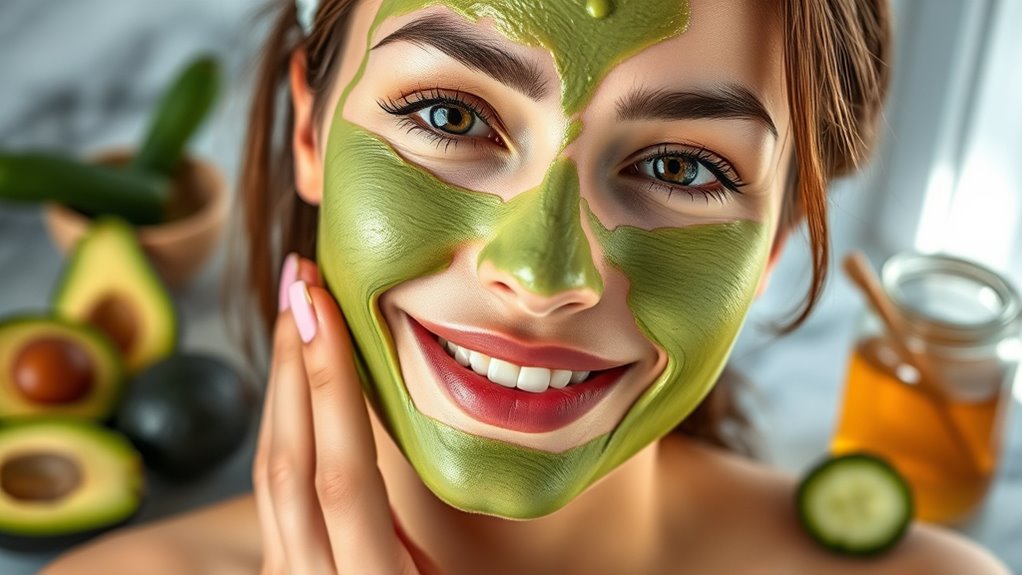
The simplicity of natural ingredients becomes even more compelling when examining the scientific principles behind their effectiveness. When applied topically, food enzymes in ingredients like honey and pineapple naturally dissolve dead skin cells, fundamentally performing gentle exfoliation without harsh chemicals.
Perhaps what’s most fascinating is how natural antioxidants work similarly to their expensive skincare counterparts. Avocado, strawberries, and olive oil contain compounds that neutralize free radicals—those unstable molecules that damage skin cells and accelerate aging. I think this explains why people often notice immediate results. Additionally, the nourishing properties of coconut oil can enhance the effectiveness of these treatments, particularly for stimulating hair growth.
The skin’s ability to absorb certain nutritional components makes these kitchen-based treatments more than just folk remedies—they’re backed by biochemistry.
Customizing Your Mask Routine for Different Skin Types
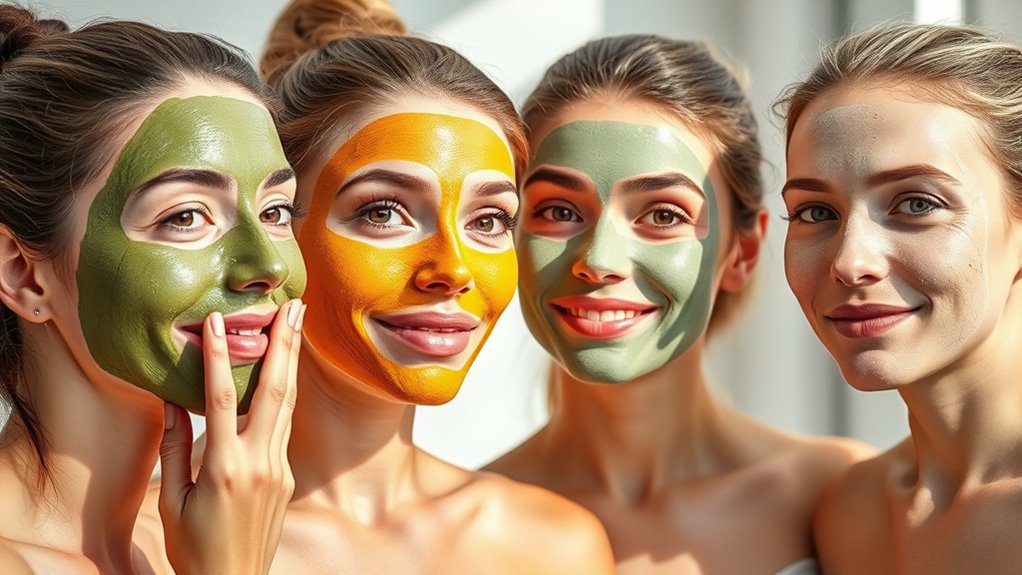
How does one navigate the abundant options of natural face masks when each skin type carries its own unique needs? The key lies in matching mask ingredients to specific skin concerns. For dry skin, honey and avocado offer much-needed moisture, while oily complexions benefit from the drying properties of egg whites or the balancing effect of oatmeal.
Perhaps the most effective approach is observing how your skin responds. Those with combination skin might apply different masks to different facial zones. And remember, skin changes with seasons and stress levels, so what works today may need adjustment tomorrow. Customization is, I think, the heart of successful natural skincare.
How to Apply Home Remedies for Maximum Benefits
Creating the perfect natural face mask requires more than just selecting the right ingredients—proper application techniques can dramatically enhance results. Before application, prep your skin by cleansing thoroughly to remove impurities that might block absorption.
When mixing masks, pay attention to consistency. Honey-based masks should be spread evenly with fingertips, while more liquid formulations like milk or olive oil might benefit from cotton application. Perhaps the most overlooked aspect is timing—leaving masks on too long can sometimes dry skin out. Additionally, using masks that include coconut oil’s antibacterial properties can help combat skin issues while providing hydration.
For maximum benefits, mask preparation should happen just before use, as natural ingredients lose potency when exposed to air. Gentle circular motions during application help stimulate circulation too.
Weekly Mask Regimens That Deliver Professional-Level Results
Professional-level skincare results don’t always require expensive spa treatments when consistent weekly mask regimens can deliver comparable benefits at home. The key is rotating masks to address different skin concerns throughout the week. Perhaps start with a honey mask on Mondays for antibacterial benefits, followed by an avocado treatment midweek for deep nourishment.
For those with combination skin, mask variations matter – using egg whites on oily zones while applying yogurt to drier areas creates a customized experience. Weekly benefits accumulate when you’re consistent, I think, leading to that professional glow without the hefty price tag. The natural ingredients often work just as effectively as their commercial counterparts.
Frequently Asked Questions
Can I Combine Multiple Ingredients for Enhanced Benefits?
Combining natural ingredients offers enhanced ingredient synergy for personalized skincare. Mask customization allows targeting of multiple concerns simultaneously while creating treatments tailored to specific skin needs and conditions.
How Long Do Homemade Face Masks Stay Fresh?
Homemade face masks typically last 1-3 days when refrigerated. Storage tips include using airtight containers and monitoring freshness indicators like changes in color, texture, or smell. Discard immediately if spoilage occurs.
Which Masks Are Safe During Pregnancy?
Nearly 75% of pregnant women experience skin changes. For pregnancy skincare, masks containing honey, avocado, and oatmeal are considered safe ingredients, while avoiding those with retinoids, salicylic acid, and essential oils.
Can These Masks Replace Commercial Skincare Products Entirely?
Natural masks serve as effective alternatives for some commercial products but may not completely replace an all-encompassing skincare routine. They work best when integrated with other products addressing specific skin concerns.
How Do I Know if I’m Allergic to a Mask Ingredient?
Individuals can identify allergies to mask ingredients through patch testing, where a small amount is applied to the inner wrist for 24 hours to monitor for skin sensitivity, redness or irritation.
Conclusion
Natural face masks aren’t just good for your skin—they’re practically miracle workers, capable of transforming even the most troubled complexions into radiant masterpieces. By embracing these simple yet potent remedies, anyone can achieve results that rival expensive spa treatments. Perhaps the most beautiful aspect is how these masks connect us to ancient wisdom while addressing modern concerns. Your skin deserves this return to nature’s pharmacy, don’t you think?
About The Author