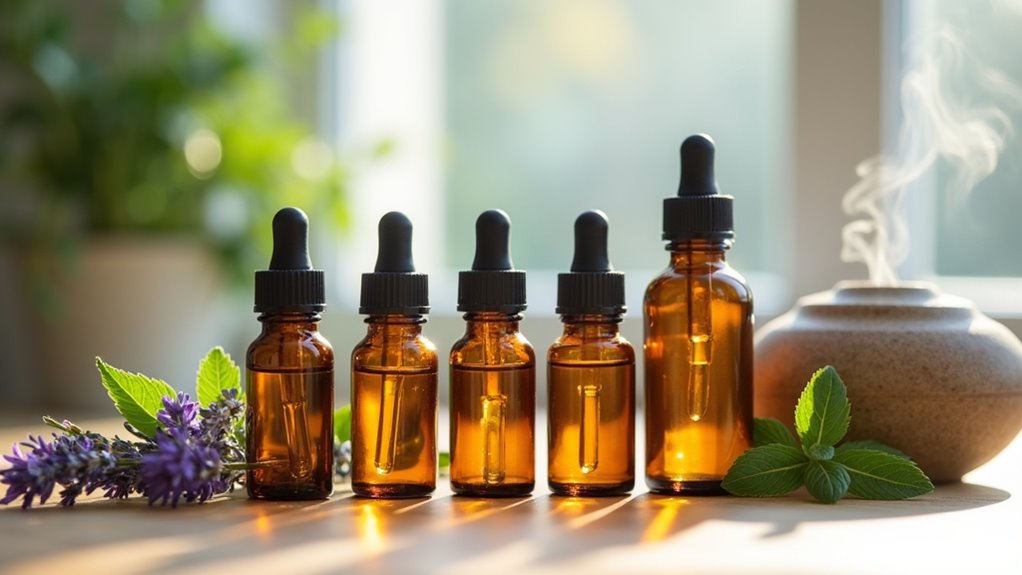
Essential oils have quietly revolutionized how people approach wellness in recent years. These concentrated plant extracts offer more than just pleasant scents—they provide tangible benefits for mind and body alike. Some swear by lavender for sleep, while others might use peppermint for focus during afternoon slumps. The applications seem endless, perhaps even overwhelming for newcomers. What many don’t realize, however, is that behind these fragrant liquids lies a fascinating intersection of traditional wisdom and modern scientific validation that explains their surprising effectiveness.
Some of the links in this article may be affiliate links. If you make a purchase through these links, we may earn a small commission at no extra cost to you. Thank you.
Natural Aromatherapy: How Essential Oils Transform Your Environment
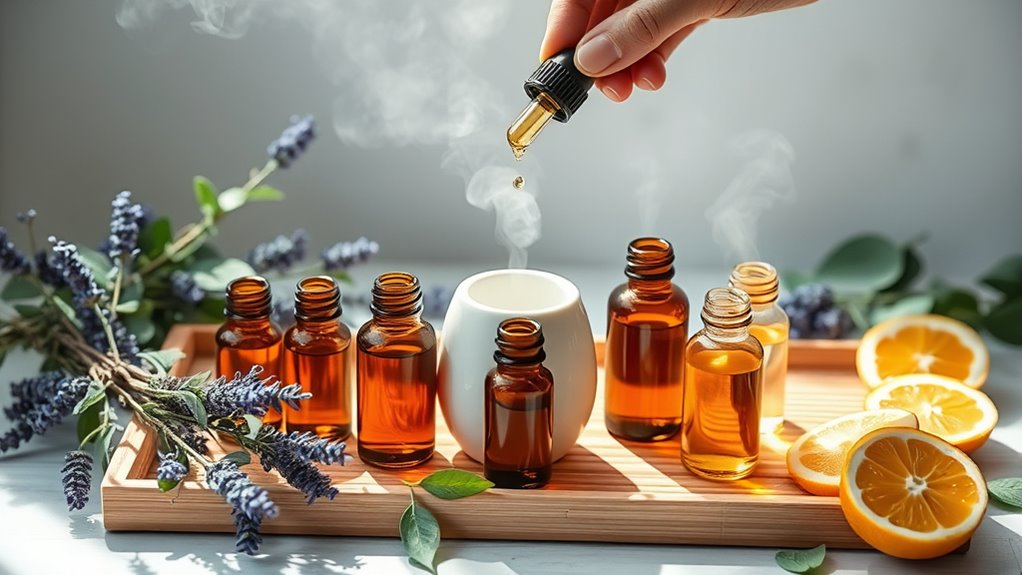
While many people might think of essential oils as simply pleasant-smelling alternatives to synthetic air fresheners, these potent plant extracts actually transform environments in much deeper ways. They purify and cleanse the air rather than just masking odors, creating a thoroughly refreshed atmosphere.
Aromatic blends can dramatically shift the energy of a space, perhaps turning a hectic home into a sanctuary of calm. Scent therapy taps into our brain’s limbic system, which controls emotions and memories. This connection might explain why certain essential oils promote relaxation while others energize us. Additionally, incorporating essential oils into your bedtime routine can significantly promote deep sleep, enhancing your overall well-being.
I think the transformative power of essential oils goes beyond fragrance—they’re tools for creating intentional spaces that support wellbeing.
The Science Behind Essential Oils’ Therapeutic Properties
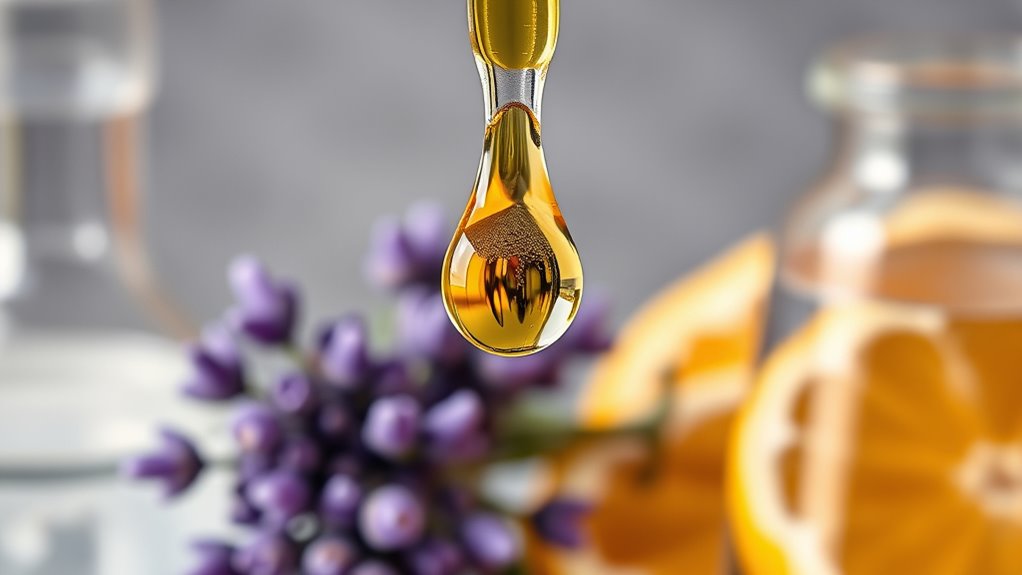
Though often dismissed as merely “alternative medicine,” essential oils contain powerful chemical compounds with scientifically documented therapeutic properties. The chemical composition of these oils includes terpenes, alcohols, and esters that interact with our body’s systems in remarkable ways.
Essential oil extraction methods, such as steam distillation and cold pressing, preserve these delicate compounds that might otherwise be destroyed. Perhaps what’s most fascinating is how these natural substances can affect both physical ailments and emotional states simultaneously. Research continues to validate what traditional healers have known for centuries—the therapeutic benefits aren’t just psychological. The molecular structure of essential oils allows them to work on multiple levels, offering a holistic approach to wellness that conventional medicine is only beginning to understand. Additionally, modern extraction techniques ensure that the therapeutic properties are retained while honoring traditional methods.
Top Essential Oils for Everyday Wellness Challenges
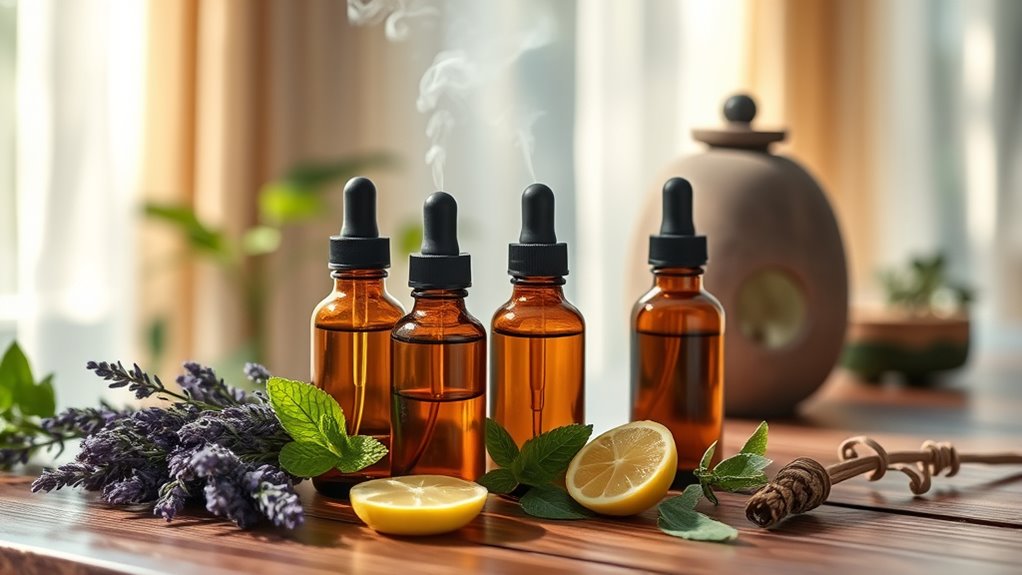
The practical application of these scientific principles leads us to a fundamental question many people ask: which oils should be part of their daily wellness toolkit? When addressing everyday challenges, certain essential oils consistently prove their worth through versatility and effectiveness.
The science of aromatherapy becomes practical when we identify which essential oils belong in your everyday wellness collection.
For those seeking extensive solutions, these four workhorses deserve priority placement:
- Lavender – Perfect for stress relief and sleep support
- Peppermint – Enhances focus and alleviates headaches
- Tea Tree – Offers antimicrobial properties for skin concerns
- Frankincense – Promotes skin rejuvenation and emotional grounding
Perhaps the most remarkable aspect is how these natural remedies can address multiple concerns simultaneously, making them practical additions to any home wellness arsenal. Additionally, lavender oil is known for its calming properties that can effectively soothe anxiety and improve sleep quality.
Creative Ways to Incorporate Essential Oils Into Your Daily Routine
Beyond understanding the benefits of essential oils lies the creative journey of seamlessly weaving them into daily life. Creating DIY blends can transform ordinary activities into Aromatic Rituals that enhance wellbeing throughout the day.
| Time of Day | Activity | Oil Suggestion |
|---|---|---|
| Morning | Shower steam | Eucalyptus |
| Mid-morning | Work focus | Peppermint |
| Afternoon | Energy boost | Citrus blend |
| Evening | Relaxation | Lavender |
| Bedtime | Sleep ritual | Chamomile |
Perhaps the most rewarding aspect is how personalized these practices become. Some might prefer diffusing oils during meditation, while others might add drops to cleaning solutions. The possibilities are nearly endless, making essential oils a versatile companion for daily wellness.
Frequently Asked Questions
Can Essential Oils Interact With Prescription Medications?
Essential oils can potentially cause interactions with prescription medications, leading to altered drug effects or side effects. Patients should consult healthcare providers before combining essential oil treatments with pharmaceuticals.
What’s the Shelf Life of Most Essential Oils?
Essential oils can last virtually forever when properly stored! Most quality oils maintain potency for 1-5 years, with citrus oils having shorter shelf life. Proper storage in dark glass containers extends longevity considerably.
Are Essential Oils Safe to Use During Pregnancy?
Essential oil usage during pregnancy requires caution. While some oils may support well-being, others pose risks. Pregnant individuals should consult healthcare providers before incorporating essential oils into their pregnancy safety routine.
How Do I Test if I’m Allergic to an Essential Oil?
Could undetected allergies be lurking in your favorite oils? Perform allergy testing by diluting the essential oil with a carrier oil and applying to a small patch of skin. Monitor for skin sensitivity reactions.
Why Do Some Essential Oils Cost More Than Others?
Essential oil pricing varies based on sourcing methods, plant rarity, harvesting complexity, and yield. Rare botanicals and labor-intensive extraction processes greatly increase production costs, directly impacting retail prices.
Conclusion
As our society rushes to uncork the “magical potential” of essential oils, one can’t help but imagine a modern alchemist hunched over tiny bottles, convincing themselves that lavender will solve their existential crisis. Perhaps the real power lies not in the oils themselves, but in our desperate belief that wellness can be purchased in neat little dropper bottles. Sniff at that thought.
About The Author