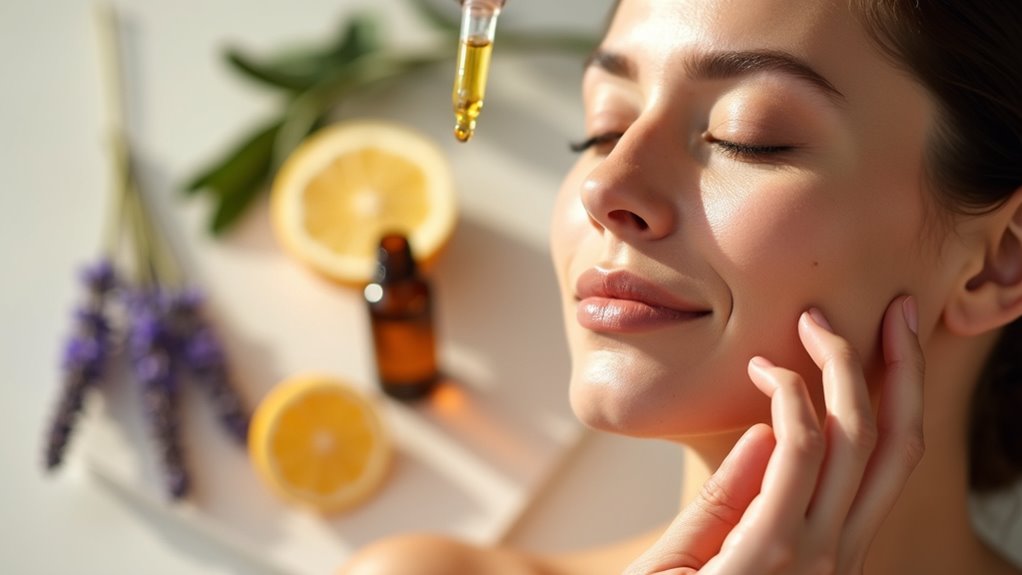
Essential oils have gained popularity as a natural solution for acne-prone skin, though results certainly vary from person to person. These concentrated plant extracts contain properties that might help reduce inflammation and kill bacteria that cause breakouts. Tea tree oil, for instance, has shown some promise in clinical studies. While many swear by these natural remedies, it’s worth noting that not all skin responds the same way. Perhaps the appeal lies in avoiding harsh chemicals found in conventional treatments? The question remains: can these botanical solutions truly reveal clear skin?
Some of the links in this article may be affiliate links. If you make a purchase through these links, we may earn a small commission at no extra cost to you. Thank you.
Understanding Acne and Its Impact on Skin Health
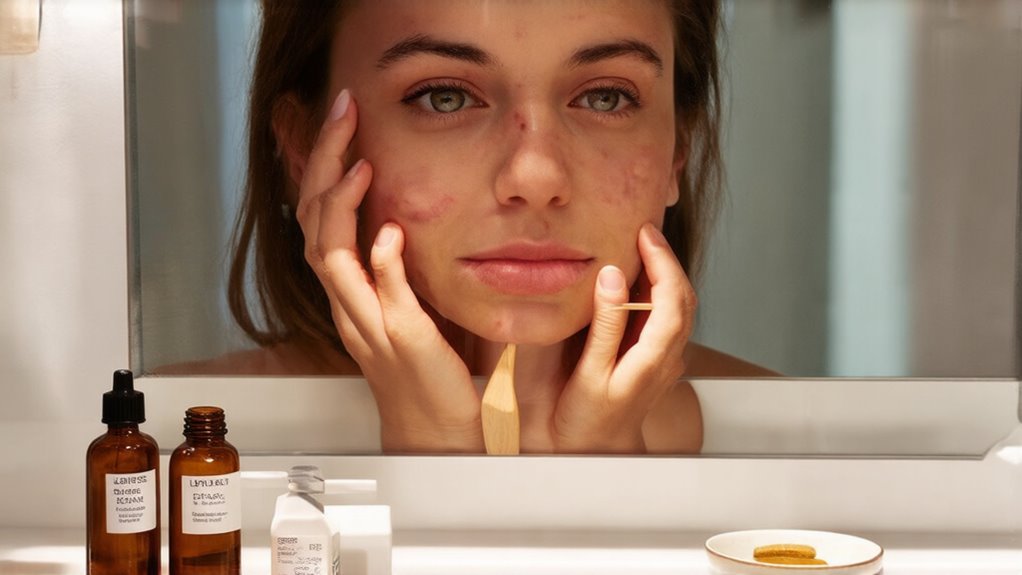
Acne, a common skin condition affecting millions worldwide, extends far beyond just the occasional pimple. It manifests on various body parts including the face, neck, shoulders, and back, often leaving both physical and emotional marks.
Perhaps what makes acne particularly challenging is its impact on self-esteem. Many sufferers experience feelings of embarrassment or social anxiety because of their skin’s appearance. I think this psychological component is sometimes overlooked in treatment approaches.
While prescription medications and cosmetic procedures are traditional solutions, they can be expensive and harsh. This is why natural alternatives like essential oils have gained popularity – offering a gentler, more affordable path to clearer skin. Furthermore, essential oils can provide antiseptic and anti-inflammatory properties that may help in reducing acne breakouts and promoting healthier skin.
The Science Behind Essential Oils for Treating Acne
While synthetic medications often dominate acne treatment discussions, the scientific evidence supporting essential oils has grown considerably in recent years.
Research shows that many essential oils contain powerful antimicrobial, anti-inflammatory, and antioxidant compounds—the trifecta needed for effective acne treatment.
What makes these natural remedies particularly effective is their ability to target multiple aspects of acne simultaneously.
Tea tree oil, perhaps the most studied, has been shown to reduce inflammation while killing P. acnes bacteria.
Similarly, lavender and rosemary oils balance sebum production while promoting skin healing.
These oils work by penetrating the skin’s lipid barrier, addressing problems at their source rather than just treating symptoms.
In addition, clove essential oil’s antimicrobial properties make it a potential ally in fighting acne-causing bacteria and promoting clearer skin.
Top Essential Oils for Fighting Breakouts
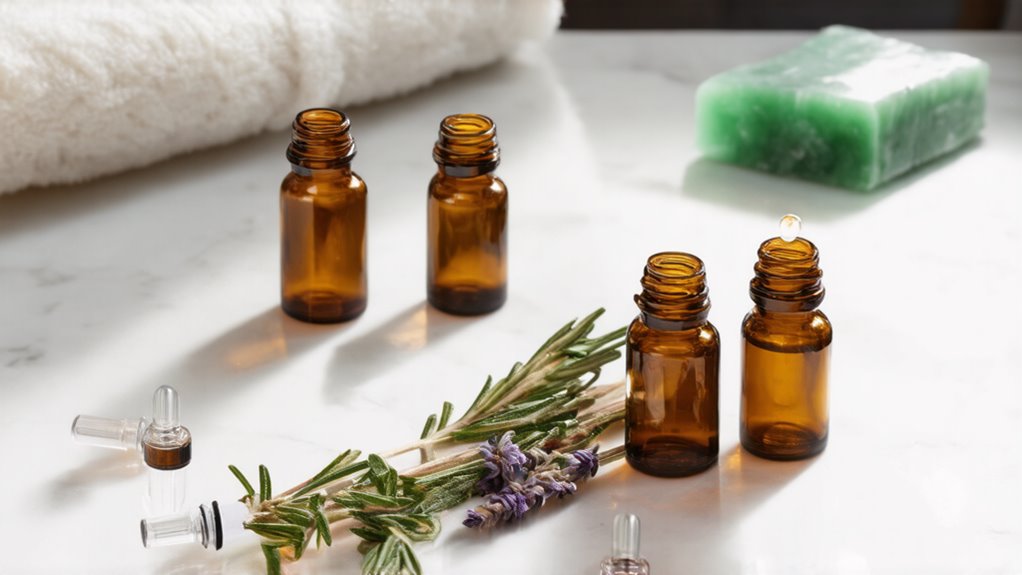
When battling persistent breakouts, choosing the right essential oils can make a significant difference in skin clarity and overall complexion health. Several oils have proven particularly effective against acne due to their natural antibacterial and anti-inflammatory properties.
Tea tree oil perhaps stands as the most recognized option, effectively tackling bacteria while reducing redness. Additionally, tea tree oil’s efficacy against viral pathogens has made it a popular choice for various skin issues, including warts.
Lavender offers gentler treatment for sensitive skin, while rosemary helps regulate oil production. For those with hormonal breakouts, rose oil might provide balance. I think oregano and bergamot oils are somewhat overlooked despite their impressive antiseptic qualities.
Proper dilution is essential though – these powerful plant extracts can irritate skin if used incorrectly.
How to Use Essential Oils Safely on Your Skin
The potent nature of these oils requires proper handling and application methods for safe, effective results.
Always dilute essential oils with carrier oils like jojoba or coconut oil—typically at a 2% dilution ratio (about 12 drops per ounce of carrier oil).
Dilution is essential—mix 12 drops of essential oil per ounce of carrier oil for safe, effective application.
Perform patch tests before full application, perhaps placing a small amount on your inner wrist for 24 hours to check for reactions.
Some oils, particularly citrus-based ones like bergamot, can cause photosensitivity, so it’s best to apply them at night.
Never apply essential oils near your eyes, and if irritation occurs, wash the area with a neutral oil rather than water. Additionally, lavender oil is known for its ability to soothe irritation and promote healing in various skin concerns.
Creating Effective DIY Essential Oil Blends for Acne
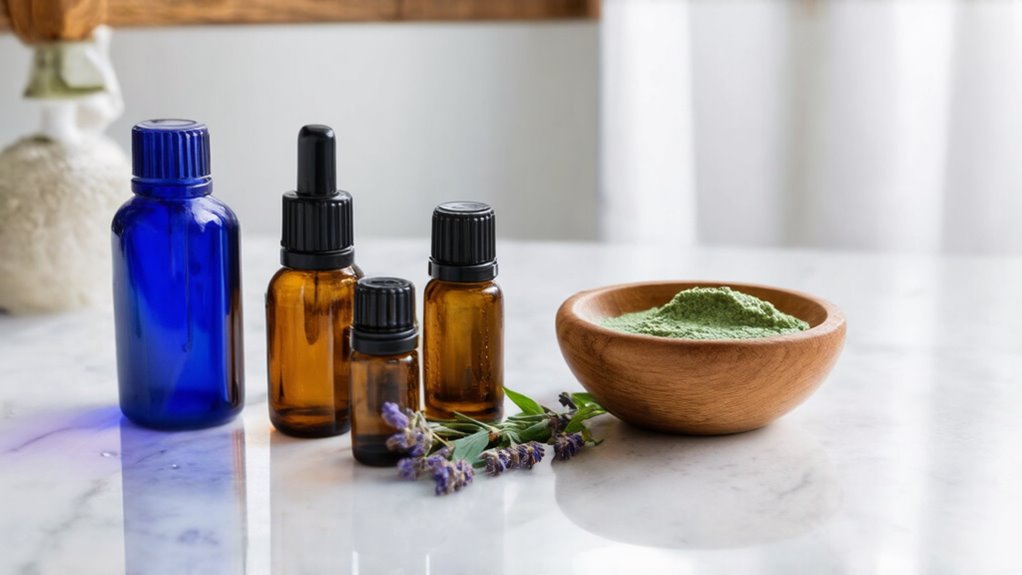
Creating your own essential oil blends for acne treatment combines effectiveness with personalization, giving you control over ingredients that touch your skin.
The process is actually quite simple – just mix a few drops of your chosen oils with a carrier oil like jojoba or sweet almond.
For hormonal acne, perhaps a blend of lavender, clary sage, and tea tree works best. Those with oily skin might benefit from rosemary and cypress combinations.
I think the balanced approach is using 2-3 oils maximum per blend, as too many can sometimes irritate sensitive skin.
Remember to patch test first – everyone’s skin responds differently to these natural remedies. Additionally, incorporating lavender can promote healing as it contains compounds that reduce inflammation and encourage cell regeneration.
Essential Oil Treatments for Different Types of Acne
Different skin conditions require specialized approaches when it comes to essential oil treatments for acne.
When treating acne with essential oils, each skin type demands its own unique strategy and targeted approach.
Not all breakouts are created equal, and understanding which oils work best for specific types can make a significant difference in results.
For effective treatment, consider these options:
- Cystic acne responds well to tea tree oil mixed with lavender to reduce inflammation.
- Hormonal breakouts benefit from rose and clary sage oils that help balance fluctuations.
- Blackheads can be treated with bergamot and cypress to tighten pores.
- Whiteheads often clear faster with oregano oil’s strong antibacterial properties.
Perhaps the most important thing is consistency, regardless of which treatment you choose. Essential oils can offer long-term health benefits without the side effects of prescription medications.
Complementary Skincare Practices to Enhance Essential Oil Benefits
While essential oils offer powerful benefits for treating acne, combining them with complementary skincare practices can dramatically improve results.
Perhaps the most significant practice is consistent cleansing—using a gentle, non-stripping cleanser morning and night to remove impurities that might interact with oils.
Staying hydrated is often overlooked, I think, yet it’s vital for skin healing.
Regular exfoliation (though not daily) helps essential oils penetrate more effectively by removing dead skin cells.
Diet matters too. Reducing inflammatory foods like refined sugar and dairy might enhance the anti-inflammatory properties of oils like lavender and tea tree. Additionally, lavender oil’s calming effects can support overall skin health by reducing stress-related outbreaks.
Frequently Asked Questions
Can Essential Oils Reduce Acne Scars From Previous Breakouts?
Several essential oils can help reduce acne scars. Rose oil, bergamot oil, and lavender oil contain properties that diminish dark spots and scars from previous breakouts when applied consistently.
Are Essential Oils Safe to Use During Pregnancy?
Pregnant individuals should consult healthcare providers before using essential oils. Many oils require caution during pregnancy, as some compounds may cross the placental barrier or potentially affect hormonal balance.
How Long Before Seeing Results With Essential Oil Treatments?
Like Rome’s transformation, essential oil treatments require patience. Results typically appear within 2-4 weeks of consistent application, though individual responses vary based on skin condition severity and oil selection.
Can Essential Oils Worsen Hormonal Acne in Some Cases?
Yes, certain essential oils may exacerbate hormonal acne in some individuals due to skin sensitivity, incorrect application, or interactions with hormonal fluctuations. Proper dilution and patch testing are recommended.
Which Essential Oils Have the Longest Shelf Life?
Patiently preserved pure oils like Tea Tree, Rosemary, and Cypress typically tout the longest shelf life among essential oils, often remaining stable for 2-4 years when properly stored in dark containers.
About The Author