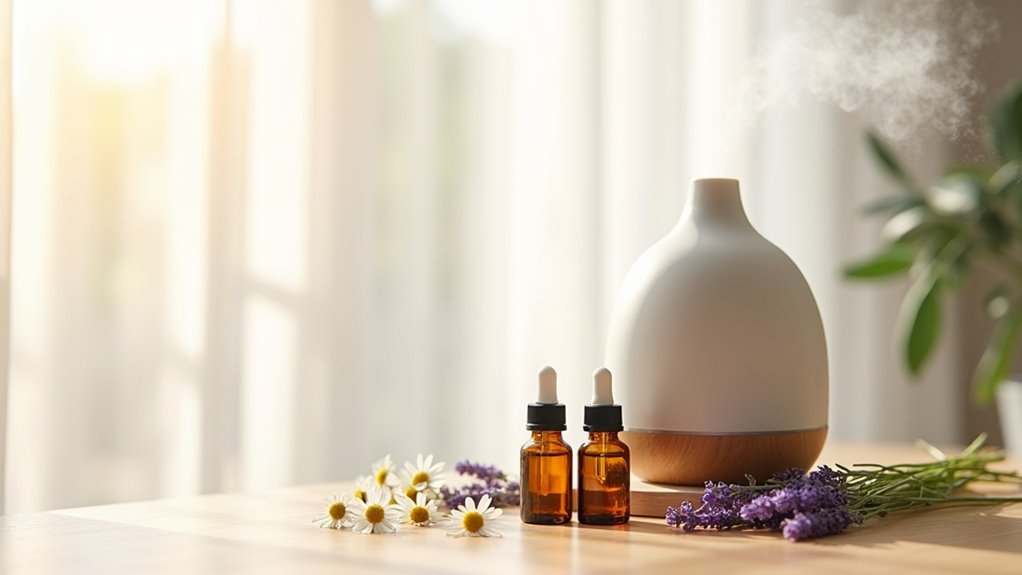
In a world of pharmaceutical solutions, essential oils offer a gentler path for those battling anxiety. These concentrated plant extracts have supported emotional wellness for centuries, though they’ve only recently gained scientific attention. While not a replacement for medical treatment in severe cases, many people find these natural compounds provide noticeable relief from day-to-day stress. Their accessibility and versatility make them worth considering. But how exactly do these aromatic helpers calm our racing minds?
Some of the links in this article may be affiliate links. If you make a purchase through these links, we may earn a small commission at no extra cost to you. Thank you.
Understanding Anxiety and Its Impact on Health

Anxiety, perhaps the most common emotional burden of our modern world, silently infiltrates the lives of millions, weakening the body’s natural defenses and opening pathways to numerous health complications.
When left untreated, what causes anxiety often remains mysterious to sufferers – sometimes rooted in trauma, sometimes seemingly appearing from nowhere. Common anxiety symptoms include racing thoughts, increased heart rate, and that familiar tightness in the chest that many know all too well.
From social anxiety to obsessive-compulsive disorders, these conditions don’t just affect mental wellbeing; they gradually compromise physical health too, creating a cycle that’s difficult to break without intervention. Approximately 40 million Americans suffer from clinical depression, highlighting the interconnectedness of anxiety and mental health challenges.
How Essential Oils Work to Combat Anxiety
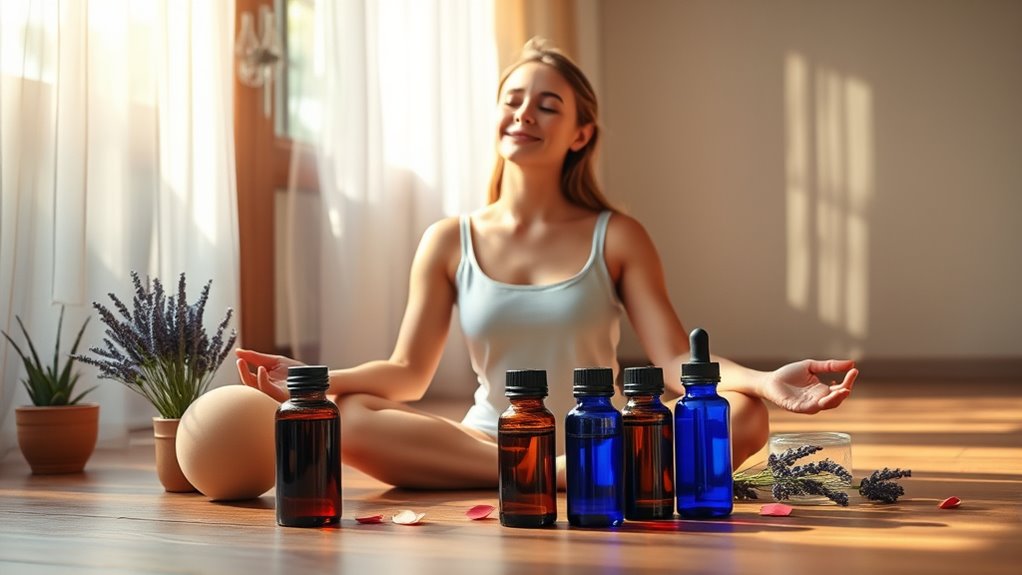
Countless individuals seeking relief from overwhelming emotional states have turned to essential oils as a natural alternative to conventional medications. These aromatic compounds work primarily through their fragrance impact on the brain’s limbic system – the emotional control center.
When inhaled, essential oil molecules trigger an immediate emotional response, often calming the nervous system within minutes. Perhaps what’s most remarkable is how personalized this interaction can be – an oil that soothes one person might energize another.
The science behind aromatherapy suggests that our olfactory receptors don’t just detect scents; they create neural pathways that can actually bypass our conscious thought processes, delivering relief before we’ve even had time to think about it. Additionally, incorporating mindful practices such as mindfulness techniques can further enhance the calming effects of essential oils.
Top 5 Essential Oils for Anxiety Relief

While searching for natural remedies to ease mental distress, many people discover that certain essential oils stand out for their anxiety-alleviating properties. Lavender benefits users through its remarkable ability to promote both relaxation and mental clarity, often making it the first choice for beginners. Chamomile effects are similarly impressive, working as a natural antidepressant that can greatly reduce anxiety levels. Other top performers include ylang ylang, which slows rapid heartbeats; lemon oil, which brightens mood while promoting better sleep; and rose oil, which triggers feel-good hormones. Additionally, lavender oil’s anti-anxiety properties are scientifically validated, making it a trusted natural remedy for those seeking relief. I think these five represent nature’s most effective aromatic tools against anxiety.
Methods of Using Essential Oils for Maximum Benefit
Once you’ve found the right oils for your anxiety, the next question becomes how to use them effectively. Proper application methods can greatly enhance their therapeutic benefits.
Inhalation methods are perhaps the most direct way to experience relief. Simply breathing in essential oils allows them to quickly reach the limbic system, where they can influence emotional responses. A quality diffuser provides consistent aromatherapy throughout your space – I think ultrasonic diffusers work best for most people.
Other effective diffuser techniques include adding a few drops to a warm bath, using a personal inhaler, or even placing oils on a tissue near your pillow. The key is finding what feels most comfortable for your lifestyle.
Creating Your Own Anti-Anxiety Essential Oil Blends
Creating your own anti-anxiety essential oil blends empowers you to tailor aromatherapy specifically to your needs. Through blend customization, you can combine oils that resonate most deeply with your system, perhaps creating something more effective than pre-made options.
The art of scent combinations is personal, and I think experimenting regularly helps identify what works best for you. Start with simple pairings before attempting complex formulas.
- Choose a base oil (lavender or chamomile work well)
- Add 1-2 complementary oils (like bergamot or ylang ylang)
- Include a stabilizing note (sandalwood or patchouli)
- Use proper dilution with carrier oils
- Test small amounts first
Frequently Asked Questions
Can Children Safely Use Essential Oils for Anxiety?
Children can use essential oils for anxiety with proper safety guidelines. Age recommendations vary, but dilution is essential. Adult supervision, consulting healthcare providers, and using child-safe oils are important considerations.
How Long Do the Anxiety-Relieving Effects Typically Last?
Like waves on a beach that ebb and flow, the anxiety-relieving effects typically last 2-4 hours. Duration effects vary with individual variability, oil type, application method, and personal sensitivity.
Are There Essential Oils That Should Be Avoided During Pregnancy?
During pregnancy, certain essential oils should be avoided per safety guidelines. Clary sage, rosemary, jasmine, and cinnamon pose risks. Pregnancy precautions recommend consulting healthcare providers before using any aromatherapy products.
Can Essential Oils Interact Negatively With Prescription Anxiety Medications?
Like shadows meeting daylight, essential oils can potentially interact with anxiety medications. Some compounds may alter medication effectiveness or cause adverse reactions. Consulting healthcare providers about essential oil interactions guarantees medication safety.
Is There Scientific Evidence Supporting Essential Oils’ Effectiveness for Anxiety?
Research suggests some aromatic compounds in essential oils demonstrate modest anxiety reduction effects through limbic system interaction, though evidence varies in quality and more rigorous clinical studies are needed.
Conclusion
Essential oils offer a gentle yet powerful path to anxiety relief. They calm the mind, soothe the spirit, and restore emotional balance. Whether diffused through the air, added to a warm bath, or blended into a personalized remedy, these natural extracts provide accessible support for daily well-being. In a world of constant stress, essential oils remind us that sometimes the most effective solutions are found in nature’s simplest gifts.
About The Author
