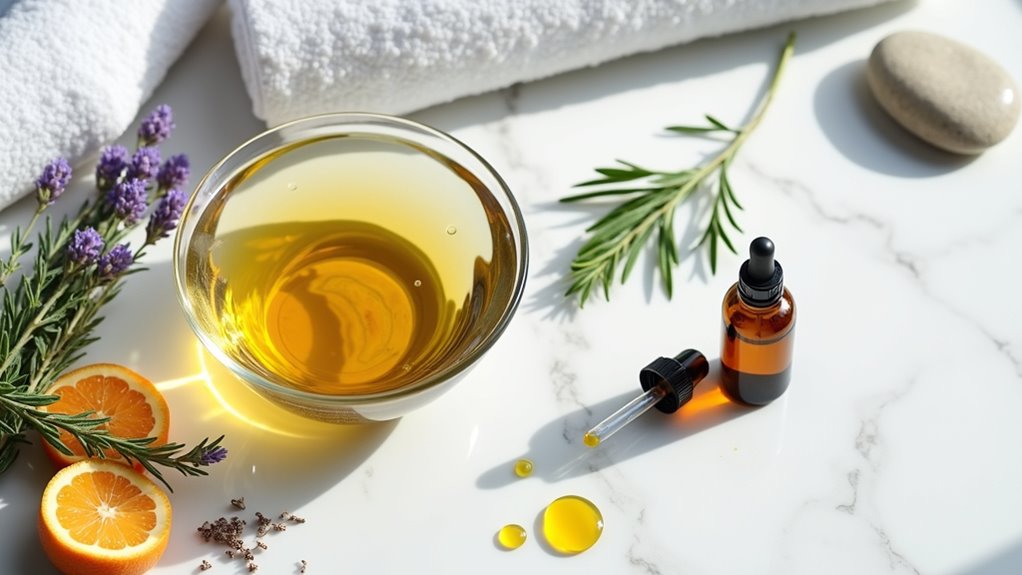
Essential oils have gained traction in skincare routines over recent years. Their natural compounds offer benefits ranging from reducing inflammation to fighting bacteria, without the harsh chemicals found in many commercial products. Tea tree oil, for instance, helps combat acne while lavender soothes irritated skin. But not all oils work for everyone. Some people experience sensitivities, and improper dilution can cause reactions. The question remains: can these plant extracts truly transform troubled skin, or is their popularity merely riding the natural wellness wave?
Some of the links in this article may be affiliate links. If you make a purchase through these links, we may earn a small commission at no extra cost to you. Thank you.
The Science Behind Essential Oils and Skin Health
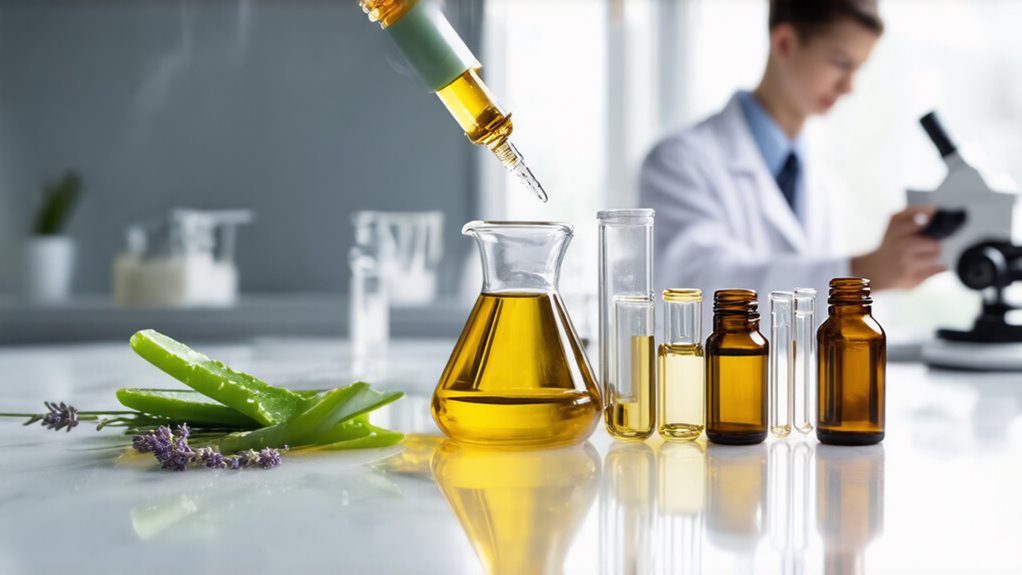
While many people turn to essential oils primarily for their pleasant aromas, the science behind their effectiveness for skin health reveals a more complex picture.
These plant-derived compounds contain active ingredients that interact directly with our skin cells, often mimicking the effects of conventional treatments.
Essential oils like tea tree and lavender contain natural anti-inflammatory and antimicrobial properties that can address conditions ranging from acne to eczema.
I think what’s particularly fascinating is how these natural substances penetrate the skin barrier to deliver their beneficial compounds.
Perhaps most importantly, they often accomplish this without the harsh side effects sometimes associated with chemical alternatives, though individual reactions may vary. Additionally, essential oils like tea tree oil can eliminate buildup while balancing natural oils, promoting overall skin health.
Top Essential Oils for Common Skin Conditions
Many skin conditions respond remarkably well to specific essential oils, making them valuable alternatives to conventional treatments. Tea tree oil stands out for acne and fungal issues, while lavender offers versatility in addressing scars and sun damage. For those struggling with chronic conditions like psoriasis or eczema, rose oil provides soothing relief that conventional treatments sometimes can’t match. Frankincense improves overall tone, and geranium tackles multiple issues from wrinkles to eczema. Perhaps the most compelling aspect is that these natural options often work without the harsh side effects associated with chemical treatments, helping people regain confidence in their skin. Additionally, lavender oil’s anti-anxiety properties can further enhance overall well-being while addressing skin concerns.
How to Safely Apply Essential Oils to Your Skin
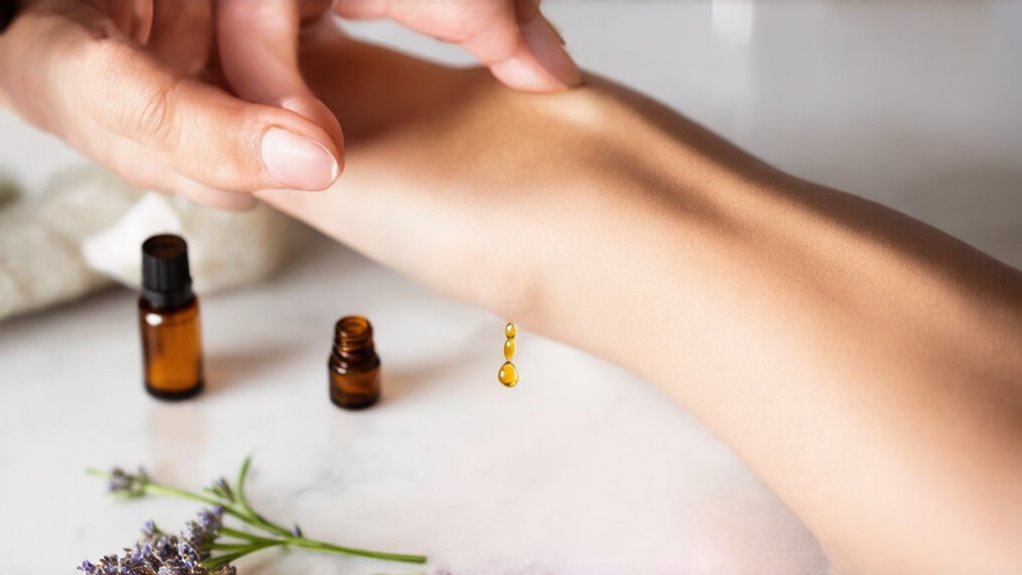
Before applying essential oils directly to the skin, proper dilution is absolutely necessary to prevent irritation or adverse reactions.
Most experts recommend mixing essential oils with carrier oils like jojoba, coconut, or sweet almond oil at a ratio of about 2-3 drops per tablespoon of carrier oil.
Always perform a patch test first, perhaps on your inner wrist or behind the ear. Wait 24 hours to check for any sensitivity.
I think it is important to highlight that even natural products can cause reactions in some people. Proper dilution guidelines are essential for safe application, especially for young skin.
For facial application, dilution should be even more conservative – maybe 1-2 drops per tablespoon of carrier oil.
Creating Your Own Essential Oil Skin Care Regimen
Once you understand proper dilution techniques, establishing a personalized skin care routine with essential oils can take your skin health to the next level.
Consider your specific skin concerns and select oils accordingly—perhaps tea tree for acne or lavender for irritation and scarring.
Begin with a simple routine: a morning cleanse with diluted geranium oil and an evening application of frankincense.
I think consistency matters more than complexity here.
Listen to how your skin responds. Not every popular oil works for everyone, and you might need to adjust.
Adding just one oil-based product weekly allows you to identify what truly benefits your unique skin chemistry. Additionally, lavender oil’s powerful anti-inflammatory properties can aid in reducing irritation and promoting healing for various skin concerns.
Essential Oil Blends for Different Skin Types
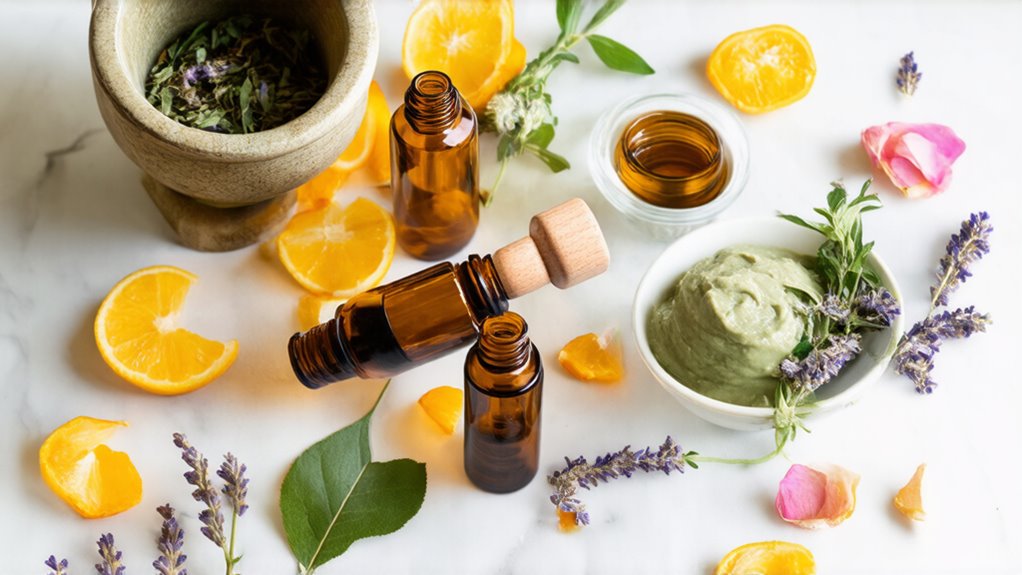
While custom-tailored essential oil blends offer significant advantages over generic formulations, understanding which combinations work best for different skin types can seem overwhelming at first. Perhaps the key is learning how different oils interact with each skin type.
| Skin Type | Recommended Blend |
|---|---|
| Oily | Tea tree + lemongrass + juniper |
| Dry | Geranium + lavender + sandalwood |
| Combination | Ylang ylang + bergamot + rosemary |
| Sensitive | Chamomile + rose + helichrysum |
| Mature | Frankincense + myrrh + rosehip |
These blends can be adjusted based on personal preference. The beauty of essential oils lies in their versatility—there’s really no single “perfect” formula for everyone. Incorporating lavender oil’s benefits into your skincare routine can enhance the overall effectiveness of your essential oil blends.
Frequently Asked Questions
Are Essential Oils Safe During Pregnancy or While Breastfeeding?
By jove, essential oils require caution during pregnancy and breastfeeding. Some oils can cross the placenta or enter breast milk. Consultation with healthcare providers is necessary before using any essential oil treatments.
How Long Do Essential Oils Remain Effective After Opening?
Most essential oils remain effective for 1-2 years after opening. Citrus oils typically last 6-12 months, while resinous oils like frankincense may retain potency for 2-3 years when properly stored.
Can Essential Oils Replace Prescription Medications for Severe Skin Conditions?
Essential oils cannot replace prescription medications for severe skin conditions. They may complement treatment plans but serious conditions require medical supervision and conventional treatments prescribed by healthcare professionals.
Do Essential Oils Interact With Other Skincare Products?
Like oil and water, essential oils can indeed interact with skincare products. They may enhance or diminish effectiveness of other ingredients, potentially causing reactions when combined with retinoids or acids.
How Quickly Will I See Results Using Essential Oils?
Results from essential oils typically appear within 2-4 weeks of consistent use. Factors affecting timeframe include specific skin condition, oil type used, and individual skin sensitivity.
About The Author