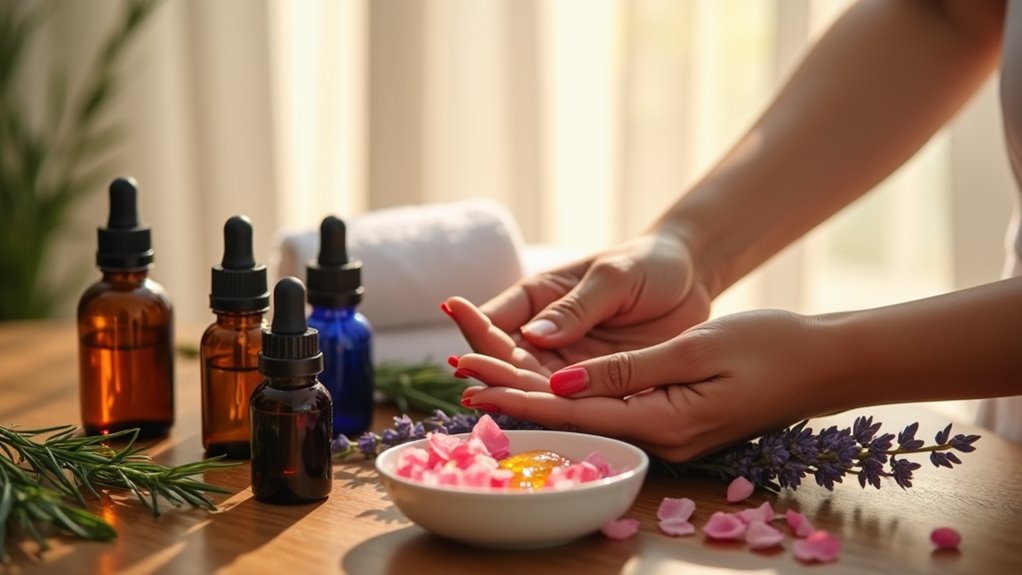
Essential oils offer a natural alternative for those seeking radiant skin without harsh chemicals. The plant-based compounds address common concerns like acne, aging, and inflammation while bringing balance to troubled complexions. Some people notice results quickly, while others might require consistent application. Tea tree and lavender oils have perhaps become the most recognized for facial care, though dozens of other options exist. The real question isn’t whether essential oils work—it’s about finding the right combination for individual skin needs.
Some of the links in this article may be affiliate links. If you make a purchase through these links, we may earn a small commission at no extra cost to you. Thank you.
Understanding Common Facial Skin Problems

The world of facial skin problems can be quite overwhelming for many individuals seeking natural solutions. Acne, dermatitis, rosacea, and liver spots are among the most common issues people face, and the treatment landscape is equally diverse.
While conventional treatments often involve medications like benzoyl peroxide for acne or corticosteroids for eczema, many people are hesitant about potential side effects, I think. These concerns have perhaps led to increased interest in alternative approaches. Understanding these conditions is essential before attempting any treatment. Each skin issue has unique characteristics and triggers that, when properly identified, can help determine the most effective natural remedies. Additionally, exploring naturopathic therapies can offer insights into holistic solutions for skin health.
Nature’s Pharmacy: Top Essential Oils for Skin Rejuvenation
Exploring nature’s treasury of essential oils reveals remarkable solutions for skin rejuvenation that have been used across centuries.
These potent botanical extracts offer powerful alternatives to conventional treatments, often with fewer side effects.
Nature’s concentrated plant wisdom delivers effective skincare solutions while minimizing unwanted reactions compared to synthetic options.
Perhaps most impressive is how they address multiple skin concerns simultaneously – cleansing while moisturizing, or calming inflammation while promoting cell renewal.
- Tea Tree & Lavender Oils – Combat acne and balance oil production while regenerating skin cells.
- Frankincense & Rose Oils – Reduce fine lines and improve elasticity through circulation enhancement.
- Rosehip & Carrot Seed Oils – Provide deep nourishment and encourage cellular turnover for a youthful glow.
Additionally, lavender oil’s effectiveness in controlling bacteria makes it an excellent choice for blemish-prone skin.
The Science Behind Essential Oil Benefits for Facial Care

While many skeptics view essential oils as merely pleasant-smelling alternatives to conventional skincare, scientific research increasingly supports their therapeutic efficacy for facial care. The molecular structures of these oils allow them to penetrate skin barriers effectively, delivering active compounds where needed most.
For example, tea tree oil‘s terpinen-4-ol component has been shown to reduce inflammation and fight bacteria that cause acne.
Similarly, the linalool in lavender oil triggers cell regeneration pathways, perhaps explaining its healing properties.
What’s particularly remarkable is how these natural compounds work synergistically – frankincense and myrrh together, for instance, seem more effective at promoting elasticity than either alone.
This might explain why traditional remedies often combined multiple oils. Additionally, tea tree oil’s antiseptic and anti-inflammatory properties penetrate hair follicles, highlighting its versatile benefits beyond just skin care.
How to Incorporate Essential Oils Into Your Skincare Routine
Incorporating essential oils into your daily skincare regimen requires thoughtful dilution and application to avoid irritation while maximizing benefits.
Most experts suggest using a carrier oil like jojoba or almond oil to create a 2-3% dilution for facial applications. Perhaps the simplest approach is adding 2-3 drops of your chosen oil to your regular moisturizer.
- Morning Routine: Mix 1 drop of geranium oil with your cleanser, follow with a rosewater toner, then apply a diluted frankincense oil blend before sunscreen.
- Evening Ritual: Cleanse, apply a lavender-infused night cream, and spot-treat problem areas with tea tree oil.
- Weekly Treatment: Create a rejuvenating mask by adding carrot seed oil to honey or yogurt. Additionally, using lavender oil in your routine can enhance the effectiveness of other ingredients in formulations.
From Acne to Aging: Targeted Oil Solutions for Different Skin Concerns

Different skin concerns require specific essential oil treatments tailored to address underlying causes rather than just symptoms.
For acne-prone skin, tea tree oil’s antibacterial properties regulate sebum production, while frankincense reduces inflammation and redness.
Those battling signs of aging might benefit from rosehip and carrot seed oils, which rejuvenate cells and improve elasticity.
Perhaps the most versatile option is lavender oil, which seems to work for various conditions from dermatitis to general irritation and offers antibacterial properties for skin health.
For hyperpigmentation and liver spots, geranium and myrrh oils offer natural alternatives to conventional treatments.
I think it’s worth noting that consistency matters more than quantity—a few drops applied regularly often yields better results than sporadic application.
Frequently Asked Questions
Can Essential Oils Cause Allergic Reactions on Sensitive Skin?
Like delicate flowers wilting under harsh sunlight, sensitive skin may indeed develop allergic reactions to essential oils. Users should perform patch tests before full-face application, as these concentrated plant extracts can trigger sensitivity.
How Long Before Seeing Results When Using Essential Oils?
Results from essential oils typically appear within 2-4 weeks of consistent use. Some may notice immediate effects for issues like inflammation, while deeper skin concerns require longer treatment periods.
Are Essential Oils Safe to Use During Pregnancy?
Like delicate plants requiring careful nurturing, essential oils warrant caution during pregnancy. Many oils remain unresearched for prenatal use, and some (tea tree, lavender) may be safer than others.
Can Essential Oils Replace Prescription Medications Completely?
Essential oils should not completely replace prescription medications for skin conditions. While they offer natural alternatives with benefits, they work best as complementary treatments within a thorough skincare plan.
Do Essential Oils Expire or Lose Potency Over Time?
Essential oils do expire and gradually lose potency over time. Most have a shelf life of 1-3 years when properly stored away from heat, light, and oxygen exposure.
About The Author