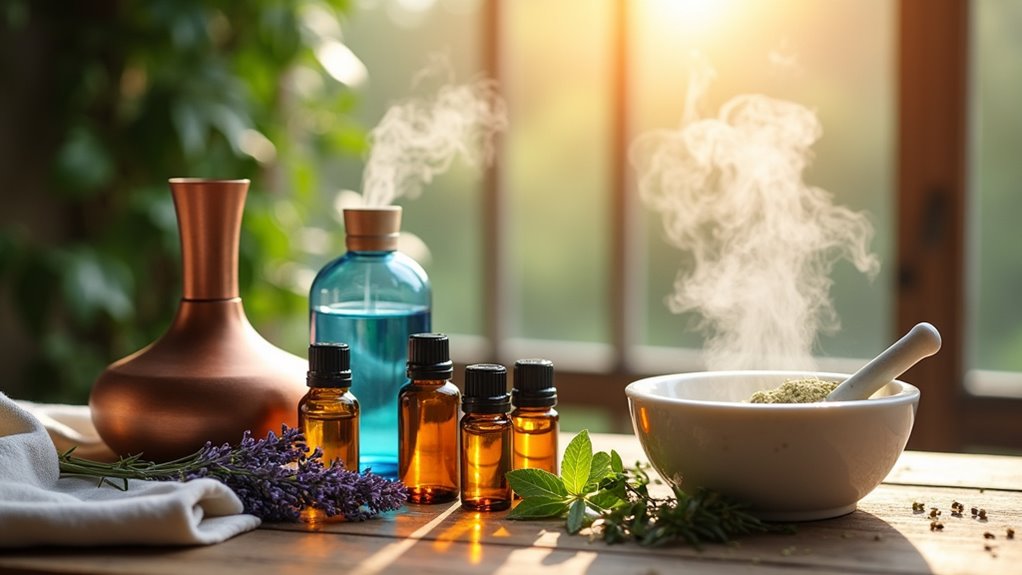
Essential oils have captivated wellness enthusiasts for centuries, yet their popularity continues to grow in modern times. The concentrated plant extracts offer more than just pleasant aromas; they contain active compounds that interact with our bodies in fascinating ways. Some swear by lavender for sleep, while others might use peppermint for headache relief. Though research remains ongoing, many find these natural solutions bring comfort to everyday ailments. Perhaps their most compelling quality is accessibility—almost anyone can begin exploring their benefits with minimal investment.
Some of the links in this article may be affiliate links. If you make a purchase through these links, we may earn a small commission at no extra cost to you. Thank you.
The Science Behind Essential Oil Efficacy
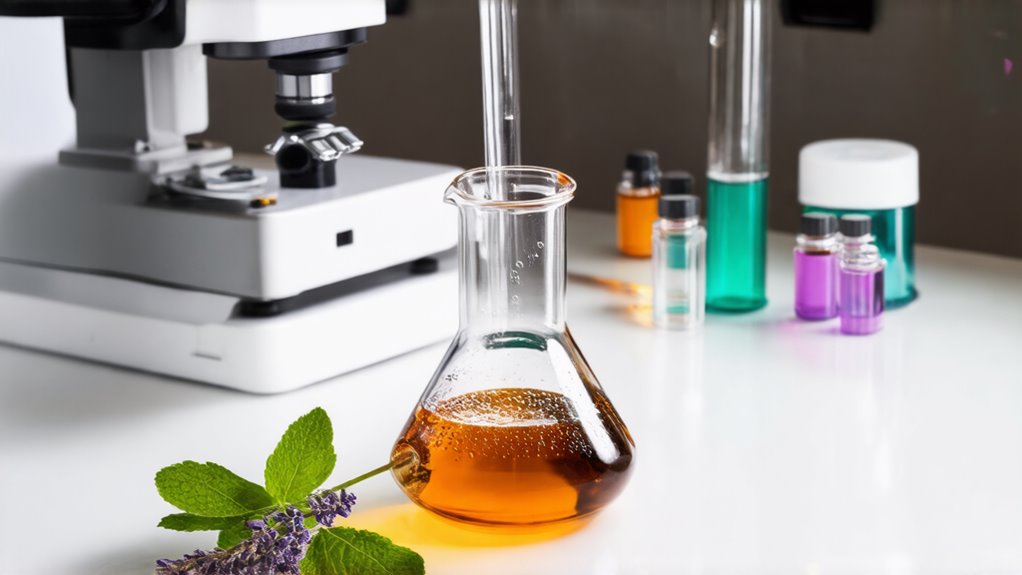
Although often dismissed as merely pleasant aromas, essential oils actually operate through complex biochemical mechanisms that explain their therapeutic effects. When inhaled, their molecules interact with olfactory receptors that signal the brain’s limbic system, influencing emotions, memory, and even physiological responses.
The chemical structures of these plant extracts—terpenes, phenols, and aldehydes—determine their specific properties. Tea tree oil, for instance, contains terpinen-4-ol, which research suggests has antimicrobial effects explaining its success against acne. Additionally, its antiseptic and anti-inflammatory properties penetrate the skin, interacting with local tissues and sometimes entering circulation. This likely explains their effectiveness for pain relief and skin conditions.
Top Essential Oils for Beginners: A Starter Guide
Where should a newcomer to the aromatic world of essential oils begin? With so many options available, it’s easy to feel overwhelmed.
Perhaps the most versatile starter oils include lavender (for relaxation), peppermint (for energy and headaches), tea tree (for its antiseptic properties), and lemon (for cleaning and mood lifting).
These foundational oils can address multiple needs—from creating simple DIY cleaners to easing tension headaches.
I think lavender is particularly useful as it helps with sleep issues while also working well in bath blends. Additionally, its calming properties make it an ideal choice for soothing anxiety and stress.
Most beginners find that these four oils cover enough applications to experience benefits without requiring a substantial initial investment.
Natural Remedies: Healing Properties of Essential Oils
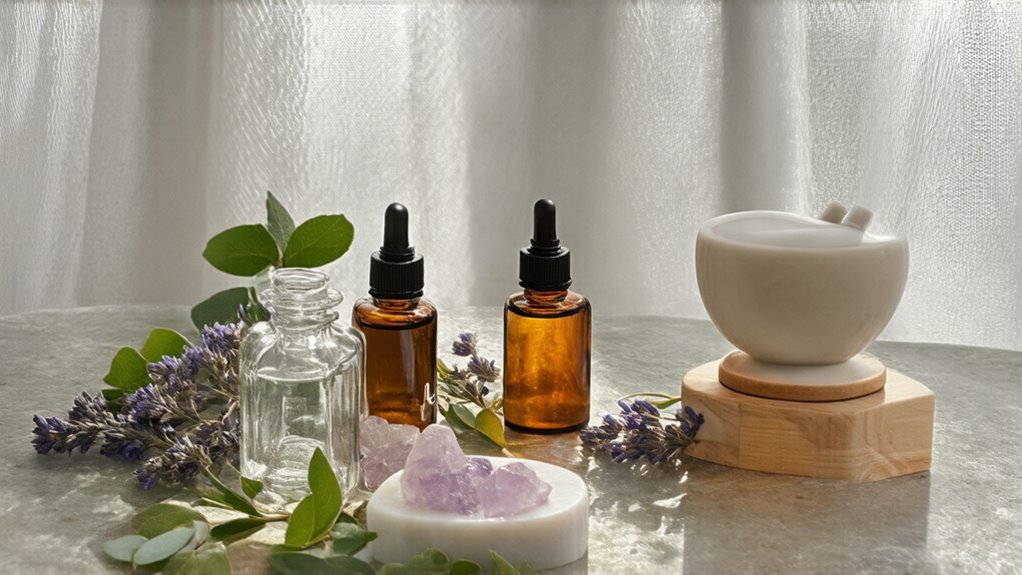
While scientists continue to study their efficacy, essential oils have been used as natural remedies for thousands of years across various cultures. From headache relief to joint pain management, these concentrated plant extracts offer alternatives to conventional medicine.
Tea tree oil’s antiseptic properties make it effective against acne, while peppermint can ease tension headaches by improving circulation.
Essential oils provide targeted natural solutions, from tea tree’s acne-fighting power to peppermint’s circulation-boosting headache relief.
I think frankincense might be particularly valuable for its anti-inflammatory effects, perhaps explaining its historical significance. Consistent application of essential oils is crucial for achieving the best results in managing various ailments.
Many find essential oils helpful for conditions like eczema and morning sickness, though results certainly vary from person to person.
Always dilute properly before application – these powerful extracts deserve respect.
DIY Essential Oil Recipes for Your Home
Creating your own essential oil blends at home can transform everyday spaces while saving money on commercial products.
These DIY recipes offer chemical-free alternatives that benefit both health and home.
For a rejuvenating air freshener, combine rosemary, tea tree, eucalyptus, and lemon oils.
Perhaps the most practical household application is the grout scrub—mixing tea tree, pine, and lemongrass oils with baking soda tackles tough bathroom grime.
Kitchen odors? Simmer clove, citrus, and cinnamon oils.
And I think many would appreciate the natural insect repellent made from lemongrass, eucalyptus, and citronella—especially during summer months when mosquitoes seem particularly determined. Essential oils offer a gentler yet effective alternative for pest control without the harmful side effects of chemicals.
Beauty and Self-Care Applications
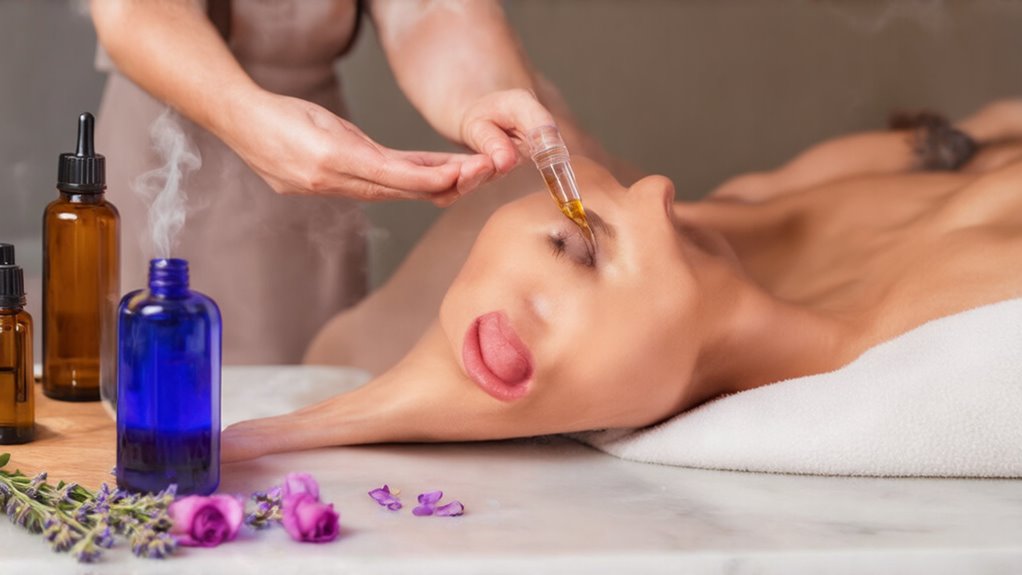
Beyond their aromatic qualities, essential oils have become a cornerstone in natural beauty regimens and self-care routines. Their versatility extends from promoting nail health to combating stubborn acne with tea tree oil‘s powerful antiseptic properties.
For those dealing with tension headaches, a dab of cooling peppermint oil can stimulate blood flow and provide relief without reaching for medication.
Perhaps most surprising is how these oils transform mundane cleaning tasks—like using eucalyptus to tackle shower mold—into aromatherapeutic experiences.
Cleaning becomes self-care when eucalyptus oil battles mold while refreshing both bathroom and spirit.
Even spiritual practices benefit; frankincense enhances awareness during meditation or yoga.
I think many people underestimate how these natural extracts can replace chemical-laden products while delivering multiple benefits simultaneously. Regular use of certain oils can also contribute to lasting freshness in oral care routines, making them a practical addition to self-care.
Environmental Benefits of Switching to Essential Oils
Although conventional household and beauty products often contain synthetic chemicals that harm ecosystems, switching to essential oils represents a significant step toward environmental sustainability. These natural alternatives reduce water pollution and minimize plastic waste when used in homemade solutions with reusable containers.
Perhaps the most compelling environmental benefits come from supporting sustainable harvesting practices. Many essential oil manufacturers now prioritize ethical sourcing that protects biodiversity. Additionally, using natural products like essential oils can help neutralize positive ions from electronic devices that contribute to environmental stress.
| Environmental Benefit | Real-World Impact |
|---|---|
| Biodegradable | Won’t persist in ecosystems |
| Reduced packaging | Less plastic waste |
| Lower carbon footprint | Minimal processing required |
| Water conservation | Less manufacturing pollution |
| Sustainable agriculture | Supports ecosystem health |
Safe Usage Practices and Precautions
While essential oils offer remarkable environmental advantages, proper safety measures must be taken to avoid potential risks. These concentrated plant compounds can cause skin irritation or allergic reactions if used improperly. Always dilute essential oils with carrier oils like jojoba or coconut before topical application. Perhaps even patch testing on a small area first is wise. For children and pregnant women, certain oils should be avoided altogether—eucalyptus and peppermint, for instance, can be harmful to young children. It is also crucial to adhere to proper dilution guidelines for young skin to ensure safety. Store oils away from direct sunlight in dark glass containers. And I think it’s important to note—never ingest essential oils unless specifically directed by a qualified professional.
Frequently Asked Questions
How Long Do Essential Oils Last Before They Expire?
Most essential oils last 1-2 years, with citrus oils expiring sooner. Properly stored oils in dark glass bottles away from light and heat maintain potency longer.
Can Essential Oils Stain Clothing or Furniture?
Yes, essential oils can stain fabrics and furniture, especially citrus or darker varieties. Using diluted amounts and carrier oils can minimize staining risks on porous materials.
Are Organic Essential Oils Significantly Better Than Non-Organic Options?
Studies show organic oils can contain 20% fewer synthetic residues. Organic options generally have fewer pesticides and chemicals, but quality differences depend on brand reputation, extraction methods and sourcing standards rather than organic certification alone.
How Do Essential Oils Interact With Prescription Medications?
Essential oils can interact with medications by potentially enhancing or inhibiting drug absorption and metabolization. Certain oils may amplify or reduce medication effects, creating risks for patients on prescription therapies.
Can Essential Oils Be Used Safely Around Pets?
Many essential oils pose serious risks to pets, especially cats and dogs. Toxic oils include tea tree, cinnamon, citrus, and eucalyptus. Always consult a veterinarian before using aromatherapy around animals.
About The Author